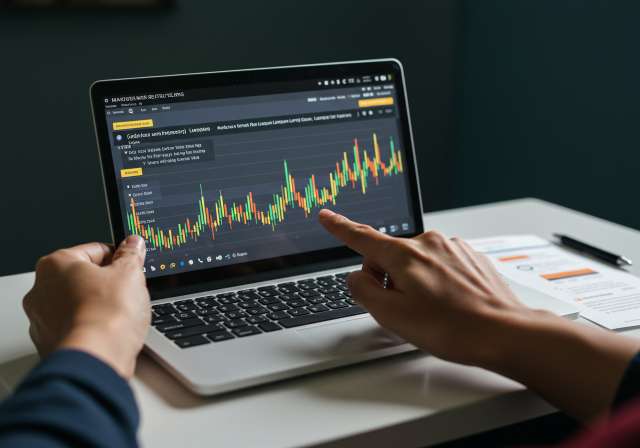
Demystifying Intraday Trading: Learn how to navigate the Indian stock market with this comprehensive guide. Discover strategies, risks, and tips for successful intraday trading.
Intraday Trading in India: A Comprehensive Guide
What is Intraday Trading?
Intraday trading, also known as day trading, involves buying and selling financial instruments, such as stocks, currencies, or commodities, within the same trading day. The objective is to profit from small price fluctuations that occur during the day. Unlike long-term investing, intraday traders don’t hold positions overnight, aiming to close all their trades before the market closes.
In India, intraday trading is popular among retail investors looking for quick gains in the equity markets. The NSE (National Stock Exchange) and BSE (Bombay Stock Exchange) provide platforms for traders to execute their strategies.
Key Characteristics of Intraday Trading
- Short-Term Focus: Intraday traders are concerned with price movements within a single day, not long-term growth prospects.
- High Leverage: Margin trading is common, allowing traders to control larger positions with a smaller capital outlay. This magnifies both profits and losses.
- Technical Analysis: Reliance on charts, indicators, and other technical tools to identify trading opportunities.
- Fast-Paced Environment: Requires quick decision-making and execution skills due to rapid price fluctuations.
- Discipline: Strict adherence to trading plans and risk management rules is crucial.
Getting Started with Intraday Trading in India
Before venturing into the world of intraday trading, it’s essential to understand the basics and take necessary precautions.
1. Open a Demat and Trading Account
The first step is to open a Demat (Dematerialized) account and a trading account with a SEBI-registered broker. The Demat account holds your shares in electronic form, while the trading account allows you to buy and sell securities on the stock exchanges. Popular brokers in India include Zerodha, Upstox, Angel One, and ICICI Direct.
2. Understand the Market Mechanics
Familiarize yourself with how the Indian stock market works. Learn about order types (market orders, limit orders, stop-loss orders), trading hours, settlement cycles, and other essential market terminologies. Knowledge of Nifty 50 and Sensex movements is also crucial.
3. Choose the Right Stocks
Selecting the right stocks is crucial for success. Look for stocks that are highly liquid (easily bought and sold) and exhibit significant price volatility. Some popular stocks for day trading include those from sectors like banking, IT, and pharmaceuticals. Analyzing historical price data and news events can help in identifying potential trading candidates.
4. Develop a Trading Strategy
A well-defined trading strategy is the backbone of successful intraday trading. This involves identifying entry and exit points, setting profit targets, and establishing stop-loss levels. Common strategies include:
- Trend Following: Identifying and capitalizing on existing market trends.
- Breakout Trading: Buying or selling when a stock’s price breaks through a significant resistance or support level.
- Reversal Trading: Identifying and trading on price reversals.
- Scalping: Making small profits from tiny price changes.
5. Risk Management
Risk management is paramount in intraday trading, given its inherent volatility. Here are some essential risk management techniques:
- Stop-Loss Orders: Using stop-loss orders to limit potential losses on each trade.
- Position Sizing: Determining the appropriate amount of capital to allocate to each trade based on your risk tolerance.
- Diversification: Spreading your risk by trading multiple stocks instead of concentrating on a single one.
- Avoid Overtrading: Sticking to your trading plan and avoiding impulsive decisions.
6. Use Technical Analysis
Technical analysis is the primary tool used by intraday traders to make trading decisions. This involves studying price charts, identifying patterns, and using technical indicators to predict future price movements. Some popular indicators include:
- Moving Averages: Used to identify trends and potential support/resistance levels.
- Relative Strength Index (RSI): Used to measure the momentum of a stock.
- Moving Average Convergence Divergence (MACD): Used to identify potential buy and sell signals.
- Bollinger Bands: Used to measure price volatility.
- Fibonacci Retracement: Used to identify potential support and resistance levels based on Fibonacci ratios.
7. Stay Updated with Market News
Staying informed about market news and events is crucial for intraday traders. Keep track of economic data releases, company announcements, and global events that could impact the stock market. Business news channels and financial websites are valuable resources.
8. Practice with Paper Trading
Before risking real money, practice your trading strategies using a paper trading account. This allows you to simulate trading in a real market environment without the risk of financial loss. Most brokers offer paper trading accounts to their clients.
Risks Associated with Intraday Trading
While the potential for high returns attracts many to intraday trading, it’s important to be aware of the significant risks involved:
- High Volatility: The stock market can be highly volatile, and intraday traders are exposed to rapid price fluctuations.
- Leverage Risk: Leverage can magnify both profits and losses, potentially leading to significant financial losses.
- Emotional Trading: Fear and greed can cloud judgment and lead to impulsive trading decisions.
- Transaction Costs: Frequent trading can result in high brokerage fees and taxes, which can eat into profits.
- Time Commitment: Intraday trading requires constant monitoring of the market and can be time-consuming.
Intraday Trading vs. Long-Term Investing
Intraday trading differs significantly from long-term investing. Here’s a comparison:
| Feature | Intraday Trading | Long-Term Investing |
|---|---|---|
| Holding Period | A few hours or less | Months, years, or even decades |
| Profit Source | Small price fluctuations | Capital appreciation and dividends |
| Risk Level | High | Moderate to Low |
| Analysis | Technical analysis | Fundamental analysis |
| Time Commitment | High | Low |
| Tax Implications | Speculative Income (taxed at applicable slab rates) | Capital Gains Tax (depending on holding period) |
Tax Implications of Intraday Trading in India
Profits from intraday trading are considered speculative income and are taxed at the individual’s income tax slab rate. Losses from intraday trading can be set off against other speculative income. It’s essential to maintain accurate records of all trades for tax purposes.
Tips for Successful Intraday Trading
Here are some tips to improve your chances of success in intraday trading:
- Start Small: Begin with a small amount of capital and gradually increase your position size as you gain experience.
- Set Realistic Goals: Don’t expect to get rich overnight. Set achievable profit targets and stick to your trading plan.
- Control Your Emotions: Avoid making impulsive decisions based on fear or greed.
- Stay Disciplined: Follow your trading plan and risk management rules consistently.
- Learn Continuously: Stay updated with market news, refine your trading strategies, and learn from your mistakes.
- Use Technology Wisely: Utilize trading platforms and tools effectively to analyze data and execute trades efficiently.
The Role of Demat Accounts and Online Trading Platforms
Demat accounts and online trading platforms have revolutionized access to the Indian stock market. They allow investors to buy and sell shares electronically, making the entire trading process faster, more efficient, and more transparent. Brokers like Zerodha and Upstox offer user-friendly platforms with advanced charting tools and real-time market data, empowering traders to make informed decisions. Features such as SIPs (Systematic Investment Plans) and tools for analyzing mutual funds are typically not directly relevant to short-term intraday trades, which focus on leveraging daily price movements. The use of such platforms has significantly increased the participation of retail investors in the equity markets, making opportunities in intraday trading more accessible than ever before.
Conclusion
Intraday trading can be a potentially lucrative but also risky activity. It requires knowledge, skill, discipline, and a strong understanding of risk management. By following the guidelines outlined in this article and continuously learning and adapting to the market, you can increase your chances of success in the world of day trading in the Indian stock market. Remember to approach intraday trading with caution and always prioritize protecting your capital.
Leave a Reply