Tag: intraday trading

  • Intraday Trading: A Comprehensive Guide for Indian Investors

    Intraday Trading: A Comprehensive Guide for Indian Investors

    Unlock the secrets of day trading in India! Learn about intraday trading strategies, risk management, tools, and tips for navigating the NSE & BSE. Is intraday trading right for you? Find out now.

    Intraday Trading: A Comprehensive Guide for Indian Investors

    Understanding Intraday Trading: A Quick Overview

    The Indian stock market, with the Bombay Stock Exchange (BSE) and the National Stock Exchange (NSE) as its primary drivers, offers various avenues for investors. Among these, one particularly active and potentially lucrative (though equally risky) is intraday trading. This guide aims to provide a comprehensive understanding of intraday trading, specifically tailored for the Indian investor.

    In essence, intraday trading involves buying and selling stocks within the same trading day. The goal is to profit from small price fluctuations that occur throughout the day. All positions are closed out before the market closes, meaning traders don’t carry any overnight risk. This differentiates it sharply from swing trading or long-term investing strategies common in India, like investing in blue-chip companies through SIPs or contributing to tax-saving instruments like ELSS mutual funds or the Public Provident Fund (PPF).

    Key Differences: Intraday Trading vs. Other Investment Strategies

    It’s crucial to understand how intraday trading differs from other investment approaches:

    • Investment Horizon: Intraday trading focuses on short-term movements (minutes to hours), while other strategies like value investing can span months or years.
    • Risk Profile: Intraday trading is considered high-risk due to its dependence on market volatility. Long-term investments in diversified portfolios (including large-cap and mid-cap mutual funds) generally carry lower risk.
    • Capital Requirements: While you can start investing with a small amount in the equity markets through delivery-based trades, intraday trading often requires a larger capital base due to margin requirements (discussed later).
    • Time Commitment: Intraday traders need to actively monitor the market throughout the trading day. Passive investors, on the other hand, can allocate their capital and periodically review their portfolio.
    • Research and Analysis: Technical analysis is paramount in intraday trading, focusing on charts, patterns, and indicators. Long-term investing emphasizes fundamental analysis, examining a company’s financials, industry trends, and management quality.

    Essential Elements for Intraday Trading Success

    Success in intraday trading hinges on several critical factors:

    1. A Solid Trading Plan

    A well-defined trading plan is non-negotiable. This plan should outline:

    • Trading Goals: Define your profit targets and risk tolerance.
    • Stock Selection Criteria: Identify the types of stocks you will trade based on volatility, liquidity, and your understanding of the company.
    • Entry and Exit Strategies: Determine precise points for entering and exiting trades based on technical indicators or other pre-defined criteria.
    • Risk Management Rules: Set stop-loss orders to limit potential losses and stick to your predetermined position size.

    2. Technical Analysis Skills

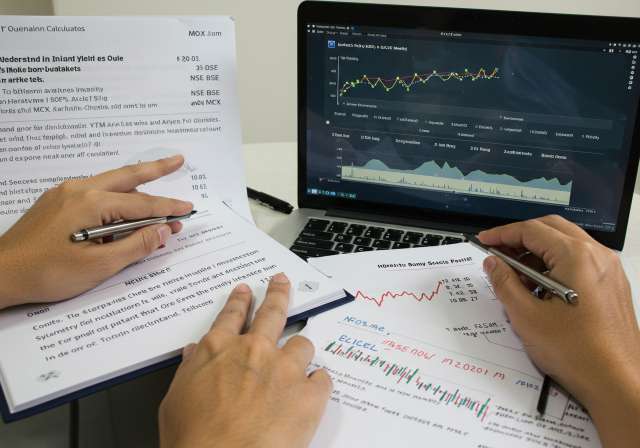
    Technical analysis is the backbone of intraday trading. Traders rely heavily on charts, patterns, and technical indicators to predict short-term price movements. Some commonly used indicators include:

    • Moving Averages: To identify trends and potential support/resistance levels.
    • Relative Strength Index (RSI): To measure the magnitude of recent price changes and identify overbought or oversold conditions.
    • Moving Average Convergence Divergence (MACD): To identify changes in the strength, direction, momentum, and duration of a trend in a stock’s price.
    • Bollinger Bands: To measure market volatility and identify potential breakout opportunities.

    3. Risk Management

    Effective risk management is the cornerstone of profitable intraday trading. Key principles include:

    • Stop-Loss Orders: Always use stop-loss orders to limit potential losses on each trade. The stop-loss should be placed based on your risk tolerance and the volatility of the stock.
    • Position Sizing: Determine the appropriate position size for each trade based on your account size and risk tolerance. Avoid risking more than a small percentage of your capital on any single trade (e.g., 1-2%).
    • Leverage Management: While leverage can amplify profits, it can also magnify losses. Use leverage cautiously and understand the margin requirements associated with your broker.

    4. Discipline and Emotional Control

    Intraday trading can be emotionally taxing. It’s crucial to maintain discipline and avoid impulsive decisions driven by fear or greed. Stick to your trading plan, even when facing losses or unexpected market movements.

    5. Choosing the Right Broker

    Selecting a reliable and cost-effective broker is essential. Consider factors such as:

    • Brokerage Fees: Compare brokerage charges for intraday trades. Look for brokers offering competitive rates and transparent fee structures.
    • Trading Platform: Ensure the broker provides a user-friendly and reliable trading platform with real-time data and charting tools.
    • Margin Availability: Check the margin available for intraday trading and the interest rates charged on margin funding.
    • Customer Support: Evaluate the quality and responsiveness of the broker’s customer support.

    Intraday Trading Strategies for the Indian Market

    Several strategies can be employed in intraday trading, including:

    • Scalping: This involves making very small profits from numerous trades throughout the day. Scalpers aim to capture tiny price fluctuations.
    • Breakout Trading: Identifying stocks that are breaking out of a trading range and entering a position in the direction of the breakout.
    • Trend Following: Identifying and following the prevailing trend in a stock’s price. Traders buy when the price is trending upwards and sell when it’s trending downwards.
    • Reversal Trading: Identifying potential reversals in a stock’s price and entering a position in the opposite direction of the previous trend.

    Tools and Resources for Intraday Traders

    Intraday traders rely on various tools and resources to make informed decisions:

    • Real-Time Market Data: Access to real-time stock prices, order book depth, and market news is crucial.
    • Charting Software: Sophisticated charting software with technical indicators and drawing tools is essential for technical analysis.
    • Trading Platform: A reliable trading platform with fast order execution and real-time data is paramount.
    • Financial News Websites: Stay updated on market news, economic data releases, and corporate announcements.
    • Educational Resources: Continuously learn and improve your trading skills through books, articles, webinars, and courses. Consider resources from reputable sources and financial advisors registered with SEBI.

    The Role of Margin in Intraday Trading

    Margin allows traders to trade with more capital than they actually have in their account. Brokers provide margin based on the trader’s risk profile and the stock being traded. While margin can amplify profits, it also significantly increases risk. Traders should use margin cautiously and understand the potential consequences of margin calls (where the broker demands additional funds to cover losses).

    Tax Implications of Intraday Trading in India

    Profits from intraday trading are treated as speculative business income in India and are taxed at the individual’s income tax slab rate. It is essential to maintain accurate records of all trades and expenses for tax purposes. Consulting with a tax advisor is recommended to understand the tax implications of intraday trading fully.

    Is Intraday Trading Right for You?

    Intraday trading is not for everyone. It requires significant time, dedication, and a strong understanding of the stock market. Before engaging in intraday trading, consider the following:

    • Risk Tolerance: Are you comfortable with high levels of risk?
    • Time Availability: Can you dedicate several hours each day to monitoring the market and executing trades?
    • Capital Resources: Do you have sufficient capital to trade effectively and manage potential losses?
    • Emotional Stability: Can you remain calm and disciplined under pressure?

    If you are new to the stock market, it’s advisable to start with long-term investing or systematic investment plans (SIPs) in mutual funds to gain experience and understanding. Intraday trading should be approached with caution and a well-defined strategy. Remember that past performance is not indicative of future results, and the stock market is subject to inherent risks. Always consult with a qualified financial advisor before making any investment decisions. Consider exploring safer investment options first, such as debt mutual funds, fixed deposits, or even government schemes like the National Pension System (NPS), before venturing into more volatile avenues.

    intraday trading

  • Best BSE Trading App: Your Guide to Mobile Stock Investing

    Best BSE Trading App: Your Guide to Mobile Stock Investing

    Want to invest in the Indian stock market using your phone? Discover the best BSE trading app for seamless trading on the Bombay Stock Exchange. Explore feature

    Want to invest in the Indian stock market using your phone? Discover the best bse trading app for seamless trading on the Bombay Stock Exchange. Explore features, benefits & tips!

    Best BSE Trading App: Your Guide to Mobile Stock Investing

    Introduction: The Rise of Mobile Trading in India

    The Indian stock market is booming, and with increased internet penetration and smartphone adoption, mobile trading has become the preferred method for many investors. Gone are the days of relying solely on desktop computers or brokers for trading. Today, a powerful bse trading app puts the entire stock market at your fingertips, allowing you to buy and sell shares, track your portfolio, and stay updated on market news, all from the convenience of your mobile device.

    For investors focusing on the Bombay Stock Exchange (BSE), choosing the right trading app is crucial. The BSE, one of Asia’s oldest and most prominent stock exchanges, lists thousands of companies, offering a vast array of investment opportunities. But navigating this complex landscape requires a user-friendly, reliable, and feature-rich trading platform.

    Why Choose a BSE-Focused Trading App?

    While many trading apps offer access to both the NSE (National Stock Exchange) and BSE, a BSE-focused or equally balanced app offers several advantages:

    • Direct Access to BSE-Listed Companies: Easy navigation and filtering of companies specifically listed on the BSE.
    • Focus on SME Stocks: Many BSE-listed companies are Small and Medium Enterprises (SMEs), which can offer high growth potential (though also higher risk). A good app should provide research and data specific to these companies.
    • Broader Market Coverage: While the NSE is often the focus, the BSE lists a different mix of companies, providing a more diversified investment landscape.
    • Integration with BSE Platforms: Potential for better integration with BSE’s data feeds and trading infrastructure.

    Key Features to Look for in a BSE Trading App

    Selecting the right trading app is a critical decision. Here’s a checklist of essential features to consider:

    1. User-Friendly Interface

    The app should be intuitive and easy to navigate, even for beginners. Look for a clean design, clear menus, and simple order placement processes. Avoid apps with cluttered screens or confusing terminology.

    2. Real-Time Data and Charts

    Access to real-time stock quotes, price charts, and market data is essential for informed trading decisions. Ensure the app provides accurate and up-to-date information, including intraday charts, historical data, and technical indicators.

    3. Order Placement Options

    The app should offer a variety of order types, including market orders, limit orders, stop-loss orders, and bracket orders. This allows you to tailor your trading strategies and manage risk effectively.

    4. Portfolio Tracking

    A comprehensive portfolio tracking feature allows you to monitor your investments, track your gains and losses, and analyze your portfolio performance. The app should provide detailed reports and visualizations of your holdings.

    5. Research and Analysis Tools

    Access to research reports, company financials, news, and expert analysis can significantly enhance your investment decisions. Look for apps that integrate with reputable research providers and offer tools for fundamental and technical analysis.

    6. Security Features

    Security is paramount when dealing with financial transactions. Ensure the app has robust security measures in place, including two-factor authentication, data encryption, and secure login protocols. Check the app’s permissions and be wary of apps that request unnecessary access to your device.

    7. Customer Support

    Reliable customer support is crucial in case you encounter any issues or have questions. Look for apps that offer multiple channels of support, such as phone, email, and chat. Check online reviews to gauge the quality of the app’s customer service.

    8. Fund Transfer Options

    The app should offer seamless and secure fund transfer options, allowing you to deposit and withdraw funds quickly and easily. Check the available payment methods and any associated fees.

    9. IPO Application

    If you’re interested in investing in initial public offerings (IPOs), choose an app that allows you to apply for IPOs directly through the platform. This can save you time and effort compared to applying through traditional channels.

    Top Trading App Contenders for the BSE Investor (Disclaimer: This is not an endorsement and is for informational purposes only)

    Several popular trading apps cater to Indian investors, each with its strengths and weaknesses. Here are some well-known contenders:

    • Zerodha Kite: Known for its user-friendly interface and low brokerage fees.
    • Upstox: Another popular discount broker offering a range of features and investment options.
    • Groww: A user-friendly app focused on simplifying investment for beginners.
    • Angel One (formerly Angel Broking): A full-service broker with a strong research team and advisory services.
    • 5paisa: A discount broker offering a flat brokerage fee model.
    • IIFL Securities (Indiainfoline): A well-established brokerage firm with a comprehensive trading platform.

    Important Note: Before choosing any app, thoroughly research its features, brokerage fees, security measures, and customer support. Read online reviews and compare different options to find the best fit for your individual needs and investment style. Consider opening a demat account and trading account with the brokerage that offers the chosen app.

    Beyond Equity: Exploring Other Investment Options via Trading Apps

    While trading apps are primarily used for equity investments, many also offer access to other investment options, such as:

    • Mutual Funds: Invest in a diversified portfolio of stocks, bonds, or other assets through systematic investment plans (SIPs) or lump-sum investments. Many apps allow you to invest in direct mutual funds, which have lower expense ratios than regular mutual funds. Consider investing in ELSS (Equity Linked Savings Scheme) funds to save on taxes under Section 80C of the Income Tax Act.
    • Bonds: Invest in government or corporate bonds to earn a fixed income.
    • Gold: Invest in digital gold or gold ETFs through the app.
    • Derivatives: Trade in futures and options (F&O) if you have a higher risk tolerance and understanding of these complex instruments.
    • US Stocks: Some apps allow you to invest in US stocks directly from India.

    Understanding the Indian Regulatory Framework (SEBI)

    The Securities and Exchange Board of India (SEBI) is the regulatory body for the Indian securities market. SEBI’s role is to protect investors, promote fair market practices, and regulate the activities of brokers, exchanges, and other market participants. When choosing a trading app, ensure that the brokerage firm is registered with SEBI and complies with all applicable regulations. This provides a level of assurance that your investments are protected and that the firm is subject to regulatory oversight.

    Tax Implications of Stock Market Investments

    It’s essential to understand the tax implications of your stock market investments. Short-term capital gains (STCG) on equity investments held for less than one year are taxed at 15% (plus applicable surcharge and cess). Long-term capital gains (LTCG) on equity investments held for more than one year are taxed at 10% (plus applicable surcharge and cess) on gains exceeding ₹1 lakh in a financial year. Dividends received from stocks are taxed at your income tax slab rate.

    Consult with a tax advisor to understand the specific tax implications of your investments and to optimize your tax planning.

    Tips for Successful Mobile Trading

    Here are some tips to help you succeed in mobile trading:

    • Start Small: Begin with a small amount of capital and gradually increase your investment as you gain experience.
    • Do Your Research: Before investing in any stock, thoroughly research the company’s financials, business model, and competitive landscape.
    • Set Realistic Goals: Don’t expect to get rich quick. Set realistic goals and be patient.
    • Manage Risk: Use stop-loss orders to limit your potential losses. Don’t invest more than you can afford to lose.
    • Stay Informed: Keep up-to-date with market news and events that could affect your investments.
    • Control Your Emotions: Don’t let emotions like fear and greed drive your trading decisions.
    • Review Your Portfolio Regularly: Monitor your portfolio performance and make adjustments as needed.
    • Consider Professional Advice: If you’re unsure about any aspect of investing, seek advice from a qualified financial advisor.

    Beyond the Stock Market: Other Long-Term Investment Options

    While the stock market offers the potential for high returns, it’s important to diversify your investments and consider other long-term options, such as:

    • Public Provident Fund (PPF): A government-backed savings scheme offering tax benefits and a guaranteed return.
    • National Pension System (NPS): A retirement savings scheme offering tax benefits and the option to invest in a mix of equity and debt.
    • Real Estate: Investing in property can provide rental income and capital appreciation.
    • Gold: Gold can serve as a hedge against inflation and economic uncertainty.

    Conclusion: Empowering Your Investment Journey

    Mobile trading apps have revolutionized the way Indians invest in the stock market. By choosing the right BSE trading app and following sound investment principles, you can empower yourself to achieve your financial goals. Remember to prioritize security, do your research, and stay informed about the market. Happy investing!

  • Intraday Trading Guide: Strategies & Risks for Indian Investors

    Intraday Trading Guide: Strategies & Risks for Indian Investors

    Demystifying Intraday Trading: A comprehensive guide for Indian investors. Learn strategies, risks, and tips for navigating the fast-paced world of intraday tra

    Demystifying intraday trading: A comprehensive guide for Indian investors. Learn strategies, risks, and tips for navigating the fast-paced world of intraday trading in the Indian stock market (NSE & BSE) and maximize your potential returns while managing risks.

    Intraday Trading Guide: Strategies & Risks for Indian Investors

    Introduction to Intraday Trading in the Indian Market

    The Indian stock market, encompassing the National Stock Exchange (NSE) and the Bombay Stock Exchange (BSE), offers diverse opportunities for investors seeking various levels of risk and return. One such opportunity, known for its high-risk, high-reward potential, is intraday trading. This article provides a comprehensive guide to intraday trading, specifically tailored for Indian investors, covering the strategies, risks, and essential considerations for navigating this dynamic trading landscape. It’s important to remember that while the potential for quick profits exists, intraday trading demands discipline, knowledge, and a well-defined risk management strategy.

    Understanding Intraday Trading

    Intraday trading, also known as day trading, involves buying and selling stocks or other financial instruments within the same trading day. The goal is to profit from small price fluctuations that occur throughout the day. Positions are typically closed out before the market closes to avoid overnight risk, which includes unexpected news or events that can significantly impact stock prices after market hours. Unlike long-term investing, which focuses on fundamental analysis and long-term growth, intraday trading relies heavily on technical analysis, price charts, and real-time market data.

    Key Characteristics of Intraday Trading:

    • Short-Term Focus: Trades are held for minutes or hours, not days or weeks.
    • Leverage: Often involves using margin or leverage to amplify potential profits (and losses). Be extremely cautious when using leverage, as it significantly increases your risk exposure. Always understand the terms and conditions of your broker’s margin policy.
    • Technical Analysis: Heavily relies on charts, patterns, and technical indicators to identify trading opportunities.
    • High Volatility: Traders seek out volatile stocks that exhibit significant price movements within a day.
    • Quick Decision-Making: Requires rapid analysis and execution of trades based on fleeting opportunities.

    Essential Requirements for Intraday Trading

    Successful intraday trading requires more than just luck. Here are some crucial requirements:

    • Sufficient Capital: While you can start with a relatively small amount, having adequate capital is essential to withstand potential losses and manage your risk effectively. Avoid risking money you cannot afford to lose.
    • Trading Platform and Tools: A reliable and user-friendly trading platform with real-time data, charting tools, and order execution capabilities is essential. Several brokers in India offer robust trading platforms.
    • Discipline and Emotional Control: One of the biggest challenges is maintaining emotional control and adhering to your trading plan, even when facing losses. Fear and greed can cloud judgment and lead to impulsive decisions.
    • Knowledge of Market Dynamics: Understanding market trends, news events, and economic indicators that can impact stock prices is crucial. Stay updated on both global and Indian market news.
    • Risk Management Strategy: A well-defined risk management strategy, including stop-loss orders and position sizing, is paramount to protect your capital.

    Intraday Trading Strategies for the Indian Market

    Several strategies are commonly employed in intraday trading. It’s important to test and refine these strategies based on your individual risk tolerance and market conditions. Remember, no strategy guarantees profits, and consistent application is key.

    Popular Intraday Trading Strategies:

    • Scalping: A strategy that aims to profit from small price movements by executing a large number of trades throughout the day. Scalpers typically hold positions for only a few seconds or minutes.
    • Momentum Trading: Capitalizes on stocks that are exhibiting strong upward or downward momentum. Traders identify stocks that are breaking out of resistance levels or breaking down below support levels.
    • Breakout Trading: Involves entering a trade when the price of a stock breaks above a resistance level (for a long position) or below a support level (for a short position).
    • Reversal Trading: Aims to profit from price reversals. Traders look for stocks that are overbought or oversold and anticipate a change in direction.
    • Gap Trading: Exploits the price gaps that often occur between the closing price of one day and the opening price of the next. Gaps can be caused by news events or earnings announcements.

    Technical Indicators for Intraday Trading

    Technical indicators play a crucial role in identifying potential trading opportunities. Here are some commonly used indicators:

    • Moving Averages (MA): Used to smooth out price data and identify trends. Commonly used moving averages include the 50-day and 200-day moving averages.
    • Relative Strength Index (RSI): Measures the magnitude of recent price changes to evaluate overbought or oversold conditions.
    • Moving Average Convergence Divergence (MACD): A trend-following momentum indicator that shows the relationship between two moving averages of a security’s price.
    • Bollinger Bands: Measures the volatility of a stock’s price. The bands widen when volatility increases and narrow when volatility decreases.
    • Volume: Indicates the number of shares traded in a given period. High volume can confirm the strength of a trend.

    Risk Management in Intraday Trading

    Risk management is the cornerstone of successful intraday trading. Without a robust risk management strategy, even the most profitable trading system can lead to significant losses. Never consider intraday trading without a solid understanding of how to protect your capital. The following practices are considered essential:

    Key Risk Management Techniques:

    • Stop-Loss Orders: An order to automatically sell a stock when it reaches a certain price. Stop-loss orders limit potential losses on a trade. Determine your stop-loss level before entering a trade and stick to it.
    • Position Sizing: Determining the appropriate size of your position based on your risk tolerance and account size. Avoid risking more than a small percentage of your capital on any single trade (e.g., 1-2%).
    • Leverage Control: Use leverage cautiously and only if you fully understand the risks involved. Excessive leverage can amplify both profits and losses. Understand the margin requirements of your broker and the potential for margin calls.
    • Profit Targets: Set realistic profit targets for each trade. Avoid greed and take profits when your target is reached.
    • Diversification: While intraday trading focuses on specific stocks, diversifying your overall investment portfolio (including investments in mutual funds, SIPs, ELSS, PPF, and NPS) can help mitigate risk.
    • Trading Journal: Maintain a detailed trading journal to track your trades, analyze your performance, and identify areas for improvement.

    Choosing Stocks for Intraday Trading in India

    Selecting the right stocks for intraday trading is crucial. Look for stocks that exhibit sufficient volatility and liquidity. Here are some factors to consider:

    • Liquidity: Choose stocks with high trading volume, which allows you to enter and exit trades easily without significantly impacting the price. Liquid stocks have a narrow bid-ask spread, reducing transaction costs.
    • Volatility: Select stocks that exhibit significant price fluctuations during the day. Volatility provides opportunities for profit, but also increases risk.
    • News and Events: Keep an eye on news events, earnings announcements, and corporate actions that can impact stock prices.
    • Sector Analysis: Pay attention to the overall performance of different sectors in the Indian stock market. Identify sectors that are showing strength or weakness and focus on stocks within those sectors.
    • Avoid Penny Stocks: Penny stocks (stocks with very low prices) are generally not suitable for intraday trading due to their high volatility and illiquidity.

    The Role of SEBI in Regulating Intraday Trading

    The Securities and Exchange Board of India (SEBI) plays a crucial role in regulating the Indian stock market and protecting investors. SEBI has implemented various measures to ensure fair trading practices and prevent market manipulation. It’s important for intraday traders to be aware of SEBI’s regulations and guidelines. These regulations help ensure a level playing field and protect investors from fraudulent activities. Be sure to check the SEBI website (sebi.gov.in) for the latest updates and guidelines.

    Tax Implications of Intraday Trading

    Profits from intraday trading are considered speculative business income and are taxed at your applicable income tax slab rate. It’s essential to maintain accurate records of your trades and consult with a tax advisor to understand the tax implications of your trading activities. You can offset losses from intraday trading against other speculative business income. Proper tax planning is crucial for maximizing your returns.

    Conclusion: Is Intraday Trading Right for You?

    Intraday trading offers the potential for quick profits, but it also comes with significant risks. It requires discipline, knowledge, and a well-defined risk management strategy. It’s not suitable for everyone. Before venturing into the world of intraday trading, carefully assess your risk tolerance, financial resources, and trading skills. Consider starting with a small amount of capital and gradually increasing your position size as you gain experience. Remember that consistent profitability in intraday trading requires dedication, continuous learning, and a willingness to adapt to changing market conditions. Explore alternative investment options like mutual funds or SIPs if you’re risk-averse. Always prioritize financial security and responsible investment practices.

  • Best Intraday Trading Apps in India for 2024

    Best Intraday Trading Apps in India for 2024

    Looking to navigate the Indian stock market with ease? Discover the best Intraday trading app for seamless trading on NSE & BSE. Maximize your profits with our

    Looking to navigate the Indian stock market with ease? Discover the best intraday trading app for seamless trading on NSE & BSE. Maximize your profits with our expert guide!

    Best Intraday Trading Apps in India for 2024

    Introduction: Riding the Waves of Intraday Trading

    Intraday trading, also known as day trading, involves buying and selling stocks within the same trading day. The goal is to capitalize on small price movements throughout the day. It’s a fast-paced, high-risk, high-reward endeavor that requires quick decision-making, access to real-time market data, and a reliable trading platform. For Indian investors looking to actively participate in the equity markets, a robust and user-friendly intraday trading app is essential.

    In India, the Bombay Stock Exchange (BSE) and the National Stock Exchange (NSE) are the primary stock exchanges where intraday trading takes place. SEBI, the Securities and Exchange Board of India, regulates the Indian stock market and aims to protect investors’ interests. Choosing the right trading app, compliant with SEBI regulations, is paramount for a safe and efficient trading experience.

    Key Features to Look for in an Intraday Trading App

    Not all trading apps are created equal. When selecting an app for intraday trading, consider the following crucial features:

    • User-Friendly Interface: A clean and intuitive interface is crucial for quick navigation and order placement, especially in the fast-paced world of intraday trading. Look for apps that offer customizable layouts and easy access to essential information.
    • Real-Time Data and Charts: Access to real-time market data, including live quotes, price charts, and order book depth, is essential for making informed trading decisions. The app should offer various charting tools and technical indicators.
    • Order Types: A variety of order types, such as market orders, limit orders, stop-loss orders, and bracket orders, are necessary to manage risk and execute different trading strategies effectively.
    • Speed and Reliability: Speed is of the essence in intraday trading. The app should be responsive and reliable, ensuring that your orders are executed quickly and efficiently. Downtime can result in significant losses.
    • Brokerage Charges and Fees: Brokerage charges can significantly impact your profitability. Compare the brokerage charges and other fees charged by different brokers before making a decision. Some brokers offer zero-brokerage plans for intraday trading.
    • Research and Analysis Tools: Access to research reports, market news, and analysis tools can help you identify potential trading opportunities and make better informed decisions.
    • Customer Support: Reliable customer support is essential in case you encounter any issues or have any questions. Look for apps that offer multiple channels of support, such as phone, email, and chat.
    • Security: Security is paramount. Ensure the app has robust security measures, including two-factor authentication, to protect your account and personal information.
    • Margin and Leverage: Intraday trading often involves the use of margin or leverage. Understand the risks associated with leverage before using it. Check the margin offered by the broker for intraday trading.

    Top Intraday Trading Apps in India (2024)

    While this isn’t an exhaustive list, here are some popular intraday trading apps used by Indian traders, keeping in mind that the “best” app depends heavily on individual needs and trading styles. It is recommended to do your own research and compare the features and fees of different apps before making a decision:

    • Zerodha Kite: Zerodha is a popular discount broker known for its low brokerage fees and user-friendly platform. Kite is their flagship trading app, offering a clean interface, advanced charting tools, and access to a wide range of investment options, including stocks, futures, and options.
    • Upstox Pro: Upstox is another leading discount broker offering a user-friendly mobile trading app. Upstox Pro provides real-time data, advanced charting tools, and a variety of order types. They also offer educational resources for new traders.
    • Groww: Groww is a popular investment platform that offers a simplified trading experience. Their app is known for its ease of use and intuitive interface, making it a good choice for beginners. Groww allows trading in stocks, mutual funds, and other investment instruments.
    • Angel One (formerly Angel Broking): Angel One is a full-service broker that offers a range of trading platforms, including a mobile trading app. Their app provides access to research reports, expert advice, and a variety of trading tools.
    • 5paisa: 5paisa is a discount broker known for its flat-fee brokerage model. Their app offers a range of features, including real-time data, charting tools, and access to various investment options.
    • ICICI Direct Markets App: ICICI Direct is a full-service broker backed by ICICI Bank. Their app offers a comprehensive trading experience, including research reports, expert advice, and access to a wide range of investment products.

    Important Considerations Before Choosing an App

    Before diving into the world of intraday trading and selecting an intraday trading app, consider these crucial factors:

    • Risk Tolerance: Intraday trading is inherently risky. Assess your risk tolerance and only invest capital you can afford to lose.
    • Trading Knowledge: Develop a solid understanding of technical analysis, fundamental analysis, and risk management techniques.
    • Trading Strategy: Develop a well-defined trading strategy and stick to it. Avoid making impulsive decisions based on emotions.
    • Time Commitment: Intraday trading requires a significant time commitment. You need to be able to monitor the markets throughout the trading day.
    • Brokerage Account: Ensure you have a Demat and trading account with a SEBI-registered broker before you can start trading.

    Beyond Intraday: Exploring Other Investment Options

    While intraday trading can be exciting and potentially profitable, it’s important to diversify your investment portfolio and explore other options that may be more suitable for long-term wealth creation. Here are some alternatives:

    • Equity Mutual Funds: Equity mutual funds invest primarily in stocks, offering diversification and professional management. Consider Systematic Investment Plans (SIPs) to invest regularly in mutual funds.
    • Debt Mutual Funds: Debt mutual funds invest in fixed-income securities, offering lower risk and more stable returns compared to equity funds.
    • ELSS (Equity Linked Savings Scheme): ELSS funds are equity mutual funds that offer tax benefits under Section 80C of the Income Tax Act.
    • PPF (Public Provident Fund): PPF is a government-backed savings scheme offering tax benefits and guaranteed returns.
    • NPS (National Pension System): NPS is a retirement savings scheme that allows you to invest in a mix of equity and debt instruments.
    • Direct Equity Investments (Long-Term): Investing directly in stocks for the long term can potentially generate higher returns, but it requires careful research and analysis.

    Risk Management in Intraday Trading

    Effective risk management is crucial for success in intraday trading. Here are some essential risk management techniques:

    • Set Stop-Loss Orders: Always use stop-loss orders to limit your potential losses.
    • Use Appropriate Leverage: Avoid using excessive leverage, as it can magnify both your profits and losses.
    • Diversify Your Trades: Avoid putting all your capital into a single trade. Diversify your trades across different stocks and sectors.
    • Trade with Discipline: Stick to your trading strategy and avoid making impulsive decisions.
    • Control Your Emotions: Emotions can cloud your judgment and lead to poor trading decisions. Trade with a clear and rational mind.
    • Keep a Trading Journal: Track your trades and analyze your performance to identify areas for improvement.

    Conclusion: Choosing the Right Path for Your Financial Goals

    Selecting the right intraday trading app is a significant step for any Indian investor looking to actively participate in the stock market. Carefully evaluate your needs, risk tolerance, and trading style before making a decision. Remember that intraday trading is inherently risky, and it’s essential to have a solid understanding of the market and a well-defined trading strategy. Diversifying your investments and exploring other investment options, such as mutual funds, PPF, and NPS, can help you achieve your long-term financial goals. Always prioritize security and choose a SEBI-registered broker to ensure a safe and reliable trading experience. Thorough research and continuous learning are vital for success in the dynamic world of Indian financial markets.

  • Low-Cost Stock Trading in India: A Smart Investor’s Guide

    Low-Cost Stock Trading in India: A Smart Investor’s Guide

    Unlock financial freedom! Discover the world of low-cost stock trading in India. Maximize your investments with minimal brokerage & commission fees. Start smart

    Unlock financial freedom! Discover the world of low-cost stock trading in india. Maximize your investments with minimal brokerage & commission fees. Start smart today!

    Low-Cost Stock Trading in India: A Smart Investor’s Guide

    Introduction: The Rise of Budget-Friendly Investing

    The Indian stock market has witnessed a paradigm shift in recent years. Once the exclusive domain of high-net-worth individuals and seasoned investors, the equity markets are now increasingly accessible to the common person. This democratization of investment is largely fueled by the emergence of “discount brokers” and the subsequent decline in brokerage fees, making low-cost stock trading in India a tangible reality for millions.

    In this comprehensive guide, we will delve into the nuances of low-cost stock trading, exploring the benefits, risks, available options, and strategies to help you make informed investment decisions. We will also touch upon the regulatory framework governed by SEBI, and how it impacts the brokerage landscape.

    Understanding the Brokerage Landscape: Full-Service vs. Discount Brokers

    Traditionally, stock trading in India involved engaging with full-service brokers. These brokers provided a range of services, including:

    • Investment advisory
    • Research reports
    • Relationship managers
    • Access to various investment products (equities, derivatives, IPOs, etc.)
    • Offline trading support

    However, these services came at a cost – often a percentage-based brokerage fee on each transaction, ranging from 0.2% to 0.5% or even higher. This ate into the returns, especially for frequent traders and those with smaller investment amounts.

    Enter discount brokers. These brokers operate on a fundamentally different model. They strip away the advisory and research services, focusing solely on providing a platform for executing trades. This allows them to offer significantly lower brokerage fees, often a flat fee per trade (e.g., ₹20 per order) or even zero brokerage for equity delivery trades.

    Benefits of Low-Cost Stock Trading

    The advantages of opting for low-cost stock trading are numerous and compelling:

    • Reduced Transaction Costs: This is the most obvious benefit. Lower brokerage fees translate to higher potential returns, especially over the long term. Consider this: even a small difference in brokerage can compound significantly over years, particularly when employing strategies like SIPs (Systematic Investment Plans).
    • Increased Trading Frequency: With lower fees, you can afford to trade more frequently, exploring different investment opportunities and adjusting your portfolio as needed without worrying about hefty brokerage charges eroding your profits.
    • Accessibility for Small Investors: Low-cost trading has opened up the stock market to a wider audience, including students, young professionals, and individuals with limited capital. It allows them to participate in the equity market without being burdened by high fees.
    • Transparency and Control: Discount brokers often provide user-friendly online platforms and mobile apps that give you complete control over your investments. You can monitor your portfolio, analyze market data, and execute trades with ease.

    Risks and Considerations

    While low-cost stock trading offers numerous advantages, it’s crucial to be aware of the potential risks and considerations:

    • Lack of Advisory Services: Discount brokers typically do not provide investment advice. You are responsible for conducting your own research and making your own investment decisions. This requires a certain level of financial literacy and understanding of market dynamics. If you are a novice investor, you might need to supplement the lack of advisory services with your own research, or hire a separate financial advisor.
    • Platform Reliability: The reliability and performance of the trading platform are crucial. Occasional glitches or downtime can lead to missed opportunities or even losses. It’s essential to choose a broker with a robust and stable platform.
    • Customer Support: While discount brokers offer customer support, it may not be as personalized or readily available as that offered by full-service brokers. Resolve times may also be longer.
    • Hidden Charges: While brokerage fees are generally low, be aware of other potential charges, such as account maintenance fees, Demat account charges, and transaction charges levied by the exchanges (NSE and BSE). Always carefully review the fee structure before opening an account.
    • Risk Management: Low-cost trading can encourage more frequent trading, which can potentially lead to impulsive decisions and increased risk. It’s crucial to have a well-defined investment strategy and stick to it, regardless of market fluctuations.

    Choosing the Right Low-Cost Broker

    Selecting the right low-cost broker is a critical step. Here are some factors to consider:

    • Brokerage Fees: Compare the brokerage fees of different brokers. Look for flat fees, zero brokerage options for specific segments (e.g., equity delivery), and any hidden charges. Some brokers offer subscription-based plans with unlimited trading for a fixed monthly fee.
    • Trading Platform: Evaluate the user-friendliness, features, and performance of the trading platform. Look for features like real-time market data, charting tools, order types (market, limit, stop-loss), and portfolio tracking.
    • Customer Support: Assess the availability and responsiveness of customer support. Check if the broker offers support via phone, email, and chat. Read online reviews to gauge the quality of their customer service.
    • Account Opening Process: The account opening process should be simple and straightforward. Most brokers now offer online account opening with e-KYC (Know Your Customer) verification.
    • Security: Ensure that the broker has robust security measures in place to protect your account and personal information. Look for features like two-factor authentication and encryption.
    • Products and Services: Check if the broker offers access to the investment products you are interested in, such as equities, derivatives, mutual funds, IPOs, and ETFs (Exchange Traded Funds).
    • Regulatory Compliance: Verify that the broker is registered with SEBI and complies with all relevant regulations.

    Investment Strategies for Low-Cost Trading

    With access to low-cost trading, you can explore various investment strategies:

    • Long-Term Investing: Invest in fundamentally strong companies with growth potential and hold them for the long term. This strategy allows you to benefit from the power of compounding. Consider investing via SIPs (Systematic Investment Plans) in well-diversified equity mutual funds or ELSS (Equity Linked Savings Scheme) funds for tax benefits under Section 80C of the Income Tax Act.
    • Swing Trading: Capitalize on short-term price movements in stocks. This strategy requires technical analysis skills and the ability to identify trading opportunities.
    • Day Trading: Buy and sell stocks within the same day. This is a high-risk, high-reward strategy that requires significant knowledge, experience, and discipline. It’s not recommended for beginners.
    • Value Investing: Identify undervalued stocks and invest in them based on their intrinsic value.
    • Dividend Investing: Invest in companies that pay regular dividends. This strategy provides a steady stream of income.

    Tax Implications of Stock Trading

    Understanding the tax implications of stock trading is crucial for maximizing your returns. In India, capital gains from equity investments are taxed differently depending on the holding period:

    • Short-Term Capital Gains (STCG): Gains from selling stocks held for less than 12 months are considered short-term capital gains and are taxed at a rate of 15% (plus applicable surcharge and cess).
    • Long-Term Capital Gains (LTCG): Gains from selling stocks held for more than 12 months are considered long-term capital gains and are taxed at a rate of 10% (plus applicable surcharge and cess) on gains exceeding ₹1 lakh in a financial year.

    Besides capital gains, dividend income is also taxable in the hands of the investor. It is added to your income and taxed as per your income tax slab.

    Beyond Equities: Exploring Other Investment Options

    While equity markets offer attractive growth potential, it’s essential to diversify your investment portfolio across different asset classes. Consider exploring other options such as:

    • Mutual Funds: Invest in professionally managed funds that invest in a diversified portfolio of stocks, bonds, or other assets.
    • Fixed Deposits (FDs): A safe and conservative investment option that offers a fixed rate of return.
    • Public Provident Fund (PPF): A long-term savings scheme offered by the government that provides tax benefits and a guaranteed return.
    • National Pension System (NPS): A retirement savings scheme that allows you to invest in a mix of equity, debt, and government securities.
    • Sovereign Gold Bonds (SGBs): Invest in gold in paper form, earning interest and avoiding the risks associated with physical gold.

    SEBI’s Role in Regulating Brokers

    The Securities and Exchange Board of India (SEBI) plays a crucial role in regulating stock brokers and ensuring investor protection. SEBI sets guidelines for brokerage operations, risk management, and investor grievance redressal. It also conducts regular inspections of brokers to ensure compliance with regulations. Always ensure that the broker you choose is registered with SEBI.

    Conclusion: Empowering Investors Through Affordable Access

    Low-cost stock trading has revolutionized the Indian investment landscape, making it more accessible and affordable for a wider range of investors. By understanding the benefits, risks, and available options, and by developing a well-defined investment strategy, you can leverage this opportunity to build a successful investment portfolio and achieve your financial goals. Remember to do your research, choose a reputable broker, and invest responsibly.