Demystifying Intraday Trading: A comprehensive guide for Indian investors. Learn strategies, risks, and tips for navigating the fast-paced world of intraday tra
Demystifying intraday trading: A comprehensive guide for Indian investors. Learn strategies, risks, and tips for navigating the fast-paced world of intraday trading in the Indian stock market (NSE & BSE) and maximize your potential returns while managing risks.
Intraday Trading Guide: Strategies & Risks for Indian Investors
Introduction to Intraday Trading in the Indian Market
The Indian stock market, encompassing the National Stock Exchange (NSE) and the Bombay Stock Exchange (BSE), offers diverse opportunities for investors seeking various levels of risk and return. One such opportunity, known for its high-risk, high-reward potential, is intraday trading. This article provides a comprehensive guide to intraday trading, specifically tailored for Indian investors, covering the strategies, risks, and essential considerations for navigating this dynamic trading landscape. It’s important to remember that while the potential for quick profits exists, intraday trading demands discipline, knowledge, and a well-defined risk management strategy.
Understanding Intraday Trading
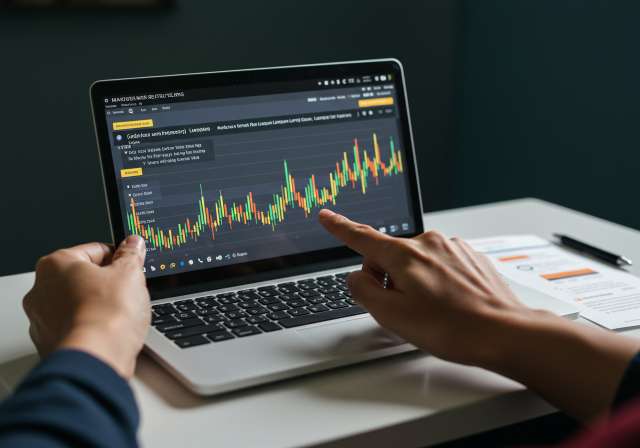
Intraday trading, also known as day trading, involves buying and selling stocks or other financial instruments within the same trading day. The goal is to profit from small price fluctuations that occur throughout the day. Positions are typically closed out before the market closes to avoid overnight risk, which includes unexpected news or events that can significantly impact stock prices after market hours. Unlike long-term investing, which focuses on fundamental analysis and long-term growth, intraday trading relies heavily on technical analysis, price charts, and real-time market data.
Key Characteristics of Intraday Trading:
- Short-Term Focus: Trades are held for minutes or hours, not days or weeks.
- Leverage: Often involves using margin or leverage to amplify potential profits (and losses). Be extremely cautious when using leverage, as it significantly increases your risk exposure. Always understand the terms and conditions of your broker’s margin policy.
- Technical Analysis: Heavily relies on charts, patterns, and technical indicators to identify trading opportunities.
- High Volatility: Traders seek out volatile stocks that exhibit significant price movements within a day.
- Quick Decision-Making: Requires rapid analysis and execution of trades based on fleeting opportunities.
Essential Requirements for Intraday Trading
Successful intraday trading requires more than just luck. Here are some crucial requirements:
- Sufficient Capital: While you can start with a relatively small amount, having adequate capital is essential to withstand potential losses and manage your risk effectively. Avoid risking money you cannot afford to lose.
- Trading Platform and Tools: A reliable and user-friendly trading platform with real-time data, charting tools, and order execution capabilities is essential. Several brokers in India offer robust trading platforms.
- Discipline and Emotional Control: One of the biggest challenges is maintaining emotional control and adhering to your trading plan, even when facing losses. Fear and greed can cloud judgment and lead to impulsive decisions.
- Knowledge of Market Dynamics: Understanding market trends, news events, and economic indicators that can impact stock prices is crucial. Stay updated on both global and Indian market news.
- Risk Management Strategy: A well-defined risk management strategy, including stop-loss orders and position sizing, is paramount to protect your capital.
Intraday Trading Strategies for the Indian Market
Several strategies are commonly employed in intraday trading. It’s important to test and refine these strategies based on your individual risk tolerance and market conditions. Remember, no strategy guarantees profits, and consistent application is key.
Popular Intraday Trading Strategies:
- Scalping: A strategy that aims to profit from small price movements by executing a large number of trades throughout the day. Scalpers typically hold positions for only a few seconds or minutes.
- Momentum Trading: Capitalizes on stocks that are exhibiting strong upward or downward momentum. Traders identify stocks that are breaking out of resistance levels or breaking down below support levels.
- Breakout Trading: Involves entering a trade when the price of a stock breaks above a resistance level (for a long position) or below a support level (for a short position).
- Reversal Trading: Aims to profit from price reversals. Traders look for stocks that are overbought or oversold and anticipate a change in direction.
- Gap Trading: Exploits the price gaps that often occur between the closing price of one day and the opening price of the next. Gaps can be caused by news events or earnings announcements.
Technical Indicators for Intraday Trading
Technical indicators play a crucial role in identifying potential trading opportunities. Here are some commonly used indicators:
- Moving Averages (MA): Used to smooth out price data and identify trends. Commonly used moving averages include the 50-day and 200-day moving averages.
- Relative Strength Index (RSI): Measures the magnitude of recent price changes to evaluate overbought or oversold conditions.
- Moving Average Convergence Divergence (MACD): A trend-following momentum indicator that shows the relationship between two moving averages of a security’s price.
- Bollinger Bands: Measures the volatility of a stock’s price. The bands widen when volatility increases and narrow when volatility decreases.
- Volume: Indicates the number of shares traded in a given period. High volume can confirm the strength of a trend.
Risk Management in Intraday Trading
Risk management is the cornerstone of successful intraday trading. Without a robust risk management strategy, even the most profitable trading system can lead to significant losses. Never consider intraday trading without a solid understanding of how to protect your capital. The following practices are considered essential:
Key Risk Management Techniques:
- Stop-Loss Orders: An order to automatically sell a stock when it reaches a certain price. Stop-loss orders limit potential losses on a trade. Determine your stop-loss level before entering a trade and stick to it.
- Position Sizing: Determining the appropriate size of your position based on your risk tolerance and account size. Avoid risking more than a small percentage of your capital on any single trade (e.g., 1-2%).
- Leverage Control: Use leverage cautiously and only if you fully understand the risks involved. Excessive leverage can amplify both profits and losses. Understand the margin requirements of your broker and the potential for margin calls.
- Profit Targets: Set realistic profit targets for each trade. Avoid greed and take profits when your target is reached.
- Diversification: While intraday trading focuses on specific stocks, diversifying your overall investment portfolio (including investments in mutual funds, SIPs, ELSS, PPF, and NPS) can help mitigate risk.
- Trading Journal: Maintain a detailed trading journal to track your trades, analyze your performance, and identify areas for improvement.
Choosing Stocks for Intraday Trading in India
Selecting the right stocks for intraday trading is crucial. Look for stocks that exhibit sufficient volatility and liquidity. Here are some factors to consider:
- Liquidity: Choose stocks with high trading volume, which allows you to enter and exit trades easily without significantly impacting the price. Liquid stocks have a narrow bid-ask spread, reducing transaction costs.
- Volatility: Select stocks that exhibit significant price fluctuations during the day. Volatility provides opportunities for profit, but also increases risk.
- News and Events: Keep an eye on news events, earnings announcements, and corporate actions that can impact stock prices.
- Sector Analysis: Pay attention to the overall performance of different sectors in the Indian stock market. Identify sectors that are showing strength or weakness and focus on stocks within those sectors.
- Avoid Penny Stocks: Penny stocks (stocks with very low prices) are generally not suitable for intraday trading due to their high volatility and illiquidity.
The Role of SEBI in Regulating Intraday Trading
The Securities and Exchange Board of India (SEBI) plays a crucial role in regulating the Indian stock market and protecting investors. SEBI has implemented various measures to ensure fair trading practices and prevent market manipulation. It’s important for intraday traders to be aware of SEBI’s regulations and guidelines. These regulations help ensure a level playing field and protect investors from fraudulent activities. Be sure to check the SEBI website (sebi.gov.in) for the latest updates and guidelines.
Tax Implications of Intraday Trading
Profits from intraday trading are considered speculative business income and are taxed at your applicable income tax slab rate. It’s essential to maintain accurate records of your trades and consult with a tax advisor to understand the tax implications of your trading activities. You can offset losses from intraday trading against other speculative business income. Proper tax planning is crucial for maximizing your returns.
Conclusion: Is Intraday Trading Right for You?
Intraday trading offers the potential for quick profits, but it also comes with significant risks. It requires discipline, knowledge, and a well-defined risk management strategy. It’s not suitable for everyone. Before venturing into the world of intraday trading, carefully assess your risk tolerance, financial resources, and trading skills. Consider starting with a small amount of capital and gradually increasing your position size as you gain experience. Remember that consistent profitability in intraday trading requires dedication, continuous learning, and a willingness to adapt to changing market conditions. Explore alternative investment options like mutual funds or SIPs if you’re risk-averse. Always prioritize financial security and responsible investment practices.