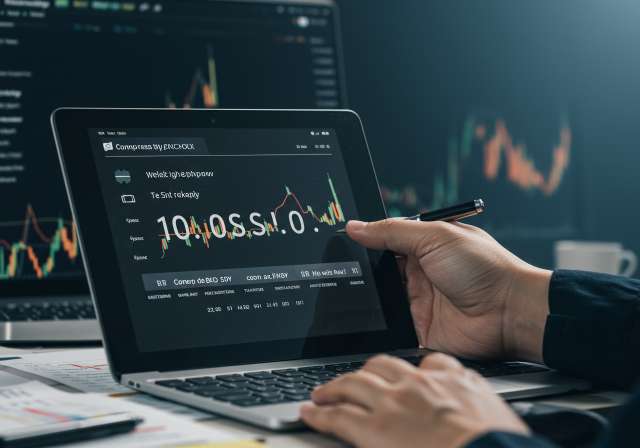
Unlock the world of metals, energy & agri-commodities! Find the best commodity trading app in India, strategies & tips to diversify your portfolio. Start tradin
Unlock the world of metals, energy & agri-commodities! Find the best commodity trading app in India, strategies & tips to diversify your portfolio. Start trading on MCX today!
Commodity Trading in India: A Beginner’s Guide to Mobile Apps
Introduction: Riding the Commodity Wave in the Indian Market
India, with its vast agricultural base and growing industrial sector, presents a dynamic landscape for commodity trading. From precious metals like gold and silver to essential agricultural products like wheat and pulses, the Indian commodity market offers diverse opportunities for investors looking to diversify their portfolios. The Multi Commodity Exchange (MCX) is the primary exchange for commodity derivatives trading in India, regulated by SEBI, ensuring transparency and investor protection.
Traditionally, commodity trading was limited to brokers and those with specialized knowledge. However, the advent of technology has democratized access, making it easier than ever for individuals to participate in this market. This is where the power of mobile applications comes into play. Commodity trading apps offer a convenient, user-friendly, and efficient way to buy, sell, and track commodity prices from the palm of your hand.
Why Trade Commodities? Unveiling the Benefits
Before diving into the specifics of commodity trading apps, it’s crucial to understand the potential benefits of incorporating commodities into your investment strategy:
- Diversification: Commodities often have a low or negative correlation with traditional assets like stocks and bonds. This means that including commodities in your portfolio can help reduce overall risk and improve returns during periods of market volatility. Consider the impact of global events on agricultural commodity prices – a drought in Australia could increase wheat prices, potentially benefiting investors with positions in wheat futures.
- Inflation Hedge: Commodities are often seen as a hedge against inflation. As the prices of goods and services rise, so too do the prices of the raw materials used to produce them. Holding commodities can therefore help protect your purchasing power during inflationary periods.
- Profit Potential: Commodity prices can be volatile, creating opportunities for significant profits. Skilled traders can capitalize on these price fluctuations by buying low and selling high. However, it’s important to remember that volatility also carries the risk of losses.
- Accessibility: Thanks to commodity trading apps, accessing the commodity market is now easier than ever. You can start with relatively small amounts of capital and gradually increase your investment as you gain experience.
Understanding the Indian Commodity Market Landscape
The Indian commodity market is primarily governed by SEBI and operates through exchanges like MCX. Key commodities traded on MCX include:
- Precious Metals: Gold, Silver
- Base Metals: Copper, Zinc, Lead, Aluminum, Nickel
- Energy: Crude Oil, Natural Gas
- Agricultural Commodities: Cotton, Mentha Oil, Rubber, Cardamom
Trading in commodities typically involves futures contracts, which are agreements to buy or sell a specific quantity of a commodity at a predetermined price and date in the future. This allows traders to speculate on price movements without actually taking physical delivery of the commodity.
Features to Look For in a Commodity Trading App
Choosing the right commodity trading app is essential for a successful trading experience. Here are some key features to consider:
- User-Friendly Interface: The app should be easy to navigate and understand, especially for beginners. Look for a clean layout, intuitive controls, and clear visualizations of price charts and market data.
- Real-Time Data: Access to real-time market data is crucial for making informed trading decisions. The app should provide live price quotes, charts, and news updates.
- Technical Analysis Tools: Many apps offer technical analysis tools, such as charting indicators, drawing tools, and pattern recognition features. These tools can help you identify potential trading opportunities.
- Order Placement: The app should allow you to place different types of orders, such as market orders, limit orders, and stop-loss orders.
- Research and Analysis: Some apps provide research reports, market analysis, and expert opinions to help you make informed trading decisions.
- Security: Security is paramount when it comes to financial transactions. The app should employ robust security measures to protect your personal and financial information. Look for features like two-factor authentication and data encryption.
- Customer Support: A responsive and helpful customer support team is essential in case you encounter any issues or have questions about the app or commodity trading.
- Regulatory Compliance: Ensure the app is offered by a SEBI-registered broker and complies with all relevant regulations.
Top Commodity Trading Platforms in India
Several reputable brokerage firms in India offer commodity trading apps. Some popular options include:
- Zerodha Kite: A popular platform known for its user-friendly interface and low brokerage fees.
- Upstox Pro: Another well-regarded platform that offers a range of features for both beginners and experienced traders.
- Angel One: A full-service broker that provides a comprehensive suite of trading tools and research resources.
- Groww: Known for its simple and intuitive interface, suitable for new investors.
- 5paisa: A discount broker offering low brokerage rates and a feature-rich platform.
Remember to conduct thorough research and compare the features, fees, and customer support of different platforms before making a decision. Consider opening a demo account to test out the platform before committing real money.
Strategies for Successful Commodity Trading
Commodity trading can be profitable, but it also involves risk. Here are some essential strategies to increase your chances of success:
- Develop a Trading Plan: Before you start trading, create a detailed trading plan that outlines your goals, risk tolerance, trading strategies, and money management rules.
- Start Small: Begin with a small amount of capital and gradually increase your investment as you gain experience and confidence.
- Use Stop-Loss Orders: Stop-loss orders can help you limit your losses by automatically selling your position if the price falls below a certain level.
- Manage Your Risk: Never risk more than you can afford to lose on any single trade. A common rule of thumb is to risk no more than 1-2% of your trading capital per trade.
- Stay Informed: Keep up-to-date on the latest market news, economic data, and geopolitical events that could impact commodity prices.
- Learn Technical Analysis: Understanding technical analysis can help you identify potential trading opportunities and make more informed trading decisions.
- Be Patient: Commodity trading requires patience and discipline. Don’t get discouraged by losing trades. Stick to your trading plan and learn from your mistakes.
Risks Associated with Commodity Trading
It’s crucial to be aware of the risks associated with commodity trading before you start:
- Volatility: Commodity prices can be highly volatile, which can lead to significant profits or losses.
- Leverage: Commodity trading often involves leverage, which can magnify both your profits and losses.
- Market Risk: Commodity prices can be affected by a wide range of factors, including supply and demand, weather conditions, economic data, and geopolitical events.
- Liquidity Risk: Some commodities may be less liquid than others, which can make it difficult to buy or sell them at the desired price.
Tax Implications of Commodity Trading in India
Profits from commodity trading are generally taxed as business income in India. It’s essential to maintain accurate records of your trading activities and consult with a tax advisor to understand the tax implications and ensure compliance with all applicable laws.
Commodity Trading vs. Other Investment Options
While commodity trading can be a valuable addition to your portfolio, it’s essential to consider how it compares to other investment options like equities (direct stocks via NSE/BSE), mutual funds (including SIPs and ELSS for tax saving), Public Provident Fund (PPF), National Pension System (NPS), and fixed deposits.
Equities offer higher growth potential but also come with higher risk. Mutual funds provide diversification and professional management but may involve higher fees. PPF and NPS are long-term, tax-advantaged investment options suitable for retirement planning. Fixed deposits offer guaranteed returns but typically have lower yields than other investments.
Commodity trading can complement these investments by providing diversification and a hedge against inflation. However, it’s crucial to understand the risks and rewards involved and to allocate your capital accordingly.
Conclusion: Empowering Your Investment Journey with a Commodity Trading App
Commodity trading offers a unique opportunity to diversify your portfolio and potentially generate profits. With the convenience and accessibility of a modern application for commodity trading, entering the market has never been easier. By understanding the market dynamics, choosing the right app, implementing sound trading strategies, and managing your risk effectively, you can navigate the world of commodities and potentially enhance your overall investment returns. Remember to always prioritize education and continuous learning to stay ahead in this dynamic and rewarding market.
Leave a Reply