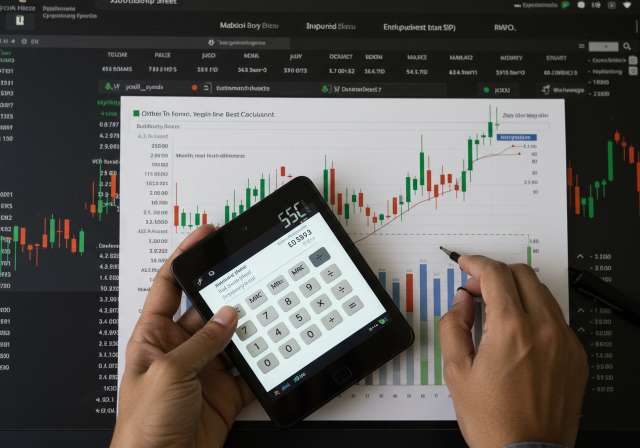
Ready to dive into options trading? Discover the best options trading apps in India for NSE & BSE, empowering you with real-time data, analysis tools, and secur
Ready to dive into options trading? Discover the best options trading apps in India for NSE & BSE, empowering you with real-time data, analysis tools, and secure trading. Start your options journey today!
Best Options Trading Apps in India: A Comprehensive Guide
Introduction: Navigating the World of Options Trading in India
The Indian financial market has witnessed a surge in interest in options trading in recent years. With the potential for high returns, but also significant risk, it’s crucial for traders to have access to reliable and user-friendly platforms. Technology has played a vital role in democratizing access to options trading, making it accessible to retail investors through a variety of online platforms and mobile applications. This article delves into the landscape of options trading apps in India, exploring their features, benefits, and considerations for choosing the right one for your needs. We will focus on platforms that facilitate trading in options listed on the National Stock Exchange (NSE) and the Bombay Stock Exchange (BSE), while adhering to regulations set by the Securities and Exchange Board of India (SEBI).
What are Options and Why Trade Them in India?
Before diving into the world of options trading apps, let’s briefly understand what options are. Options are derivative contracts that give the buyer the right, but not the obligation, to buy (call option) or sell (put option) an underlying asset at a predetermined price (strike price) on or before a specific date (expiration date). This differs significantly from owning the underlying asset itself. Options trading in India allows investors to:
- Hedge their portfolios: Protect existing investments from potential market downturns.
- Leverage their capital: Control a larger position with a smaller initial investment.
- Generate income: Employ strategies like covered calls to earn premiums on existing holdings.
- Speculate on market movements: Profit from anticipated price changes in the underlying asset.
The Indian options market, primarily focused on the NSE, is known for its liquidity, particularly for the Nifty 50 and Bank Nifty indices. This liquidity makes it easier to enter and exit positions, attracting both seasoned traders and newcomers.
Key Features to Look for in an options trading app
Choosing the right options trading app is crucial for a successful trading experience. Here are some essential features to consider:
- Real-time Data and Analytics: Access to live market data, including option chains, price charts, and volume analysis, is paramount. Look for apps that provide advanced charting tools and technical indicators to aid your decision-making.
- User-Friendly Interface: The app should be intuitive and easy to navigate, even for beginners. A clean and well-organized interface can significantly reduce errors and improve your trading speed.
- Option Chain Analysis: A comprehensive option chain, displaying strike prices, premiums, open interest, and implied volatility, is essential for analyzing market sentiment and identifying potential trading opportunities.
- Order Placement Functionality: The app should offer various order types, such as market orders, limit orders, stop-loss orders, and bracket orders, to manage your risk effectively.
- Risk Management Tools: Features like position tracking, profit and loss statements, and margin calculators can help you monitor your positions and manage your risk exposure.
- Brokerage Fees and Charges: Compare the brokerage fees and other charges levied by different apps. Some apps offer discounted brokerage plans or subscription-based models. Be sure to check for hidden charges as well.
- Security and Reliability: The app should have robust security measures to protect your account and personal information. Look for apps that offer two-factor authentication and data encryption. Ensure the platform is reliable and experiences minimal downtime.
- Customer Support: Access to responsive and helpful customer support is crucial in case you encounter any issues while trading. Check if the app offers multiple channels of support, such as phone, email, and chat.
- Educational Resources: For beginners, access to educational resources like tutorials, webinars, and articles can be invaluable. Some apps offer demo accounts to practice trading without risking real money.
- Integration with other Investment Products: Some brokers offer integration with other investment products like mutual funds, stocks, and SIPs (Systematic Investment Plans), allowing you to manage your entire portfolio in one place.
Popular Options Trading Apps in India
Several options trading apps cater to the needs of Indian investors. Here are some popular choices, though it’s important to do your own research and compare them based on your specific requirements:
- Zerodha Kite: A popular discount broker known for its user-friendly interface and low brokerage fees.
- Upstox Pro: Another leading discount broker offering a wide range of trading tools and features.
- Groww: A user-friendly app focusing on simplicity and ease of use, making it suitable for beginners.
- Angel Broking (Angel One): A full-service broker offering research reports and advisory services in addition to trading platforms.
- ICICI Direct Markets App: A platform from a leading private sector bank, offering a range of investment options.
- HDFC Securities MobileTrading App: Similar to ICICI Direct, offering access to banking and investment services.
This is not an exhaustive list, and new apps are constantly emerging in the market. It is imperative to compare the features, brokerage charges, and user reviews of different apps before making a decision.
Understanding Brokerage and Other Charges
Brokerage charges can significantly impact your profitability, especially if you trade frequently. It’s crucial to understand the different types of brokerage plans and other charges levied by your broker. Common types of brokerage plans include:
- Fixed Brokerage: A fixed fee per trade, regardless of the trade value.
- Percentage-Based Brokerage: A percentage of the trade value, typically ranging from 0.01% to 0.05%.
- Subscription-Based Plans: Pay a fixed monthly or annual fee for unlimited trading.
In addition to brokerage, you may also be charged:
- STT (Securities Transaction Tax): A tax levied on the sale of securities.
- GST (Goods and Services Tax): A tax levied on brokerage and other services.
- Exchange Transaction Charges: Charges levied by the stock exchanges (NSE and BSE).
- SEBI Charges: Charges levied by SEBI.
- DP (Depository Participant) Charges: Charges for maintaining your demat account.
Always compare the total cost of trading across different platforms, including all applicable charges, to make an informed decision.
Risk Management in Options Trading
Options trading can be risky, and it’s crucial to have a robust risk management strategy in place. Here are some essential risk management techniques:
- Understand the Greeks: The “Greeks” (Delta, Gamma, Theta, Vega, Rho) are measures of how an option’s price is affected by various factors, such as changes in the underlying asset’s price, time decay, and volatility. Understanding the Greeks can help you manage your risk more effectively.
- Use Stop-Loss Orders: A stop-loss order automatically closes your position if the price reaches a predetermined level, limiting your potential losses.
- Diversify Your Portfolio: Don’t put all your eggs in one basket. Diversify your investments across different asset classes and sectors.
- Trade with a Plan: Develop a trading plan that outlines your entry and exit points, risk tolerance, and profit targets. Stick to your plan and avoid making impulsive decisions.
- Start Small: Begin with small positions and gradually increase your trading size as you gain experience and confidence.
- Manage Your Emotions: Emotions can cloud your judgment and lead to poor trading decisions. Stay calm and disciplined, even during volatile market conditions.
Remember that even with the best risk management strategies, losses are possible in options trading. Never invest more than you can afford to lose.
The Role of SEBI in Regulating Options Trading
SEBI plays a crucial role in regulating the Indian securities market, including options trading. SEBI’s regulations aim to protect investors, ensure market integrity, and promote fair and transparent trading practices. SEBI monitors trading activity, investigates potential market manipulation, and enforces regulations to prevent fraud and insider trading. By following SEBI guidelines, the [this sentence naturally includes the keyword] options trading app aims to provide a safe and transparent platform for its users. SEBI also mandates that brokers provide adequate risk disclosures to investors before they begin trading in options. These disclosures highlight the risks associated with options trading and emphasize the importance of understanding the product before investing.
Beyond Apps: Essential Knowledge for Options Traders
While a good options trading app is essential, it’s just one piece of the puzzle. Successful options trading requires a deep understanding of market dynamics, options strategies, and risk management principles. Here are some areas to focus on:
- Fundamental Analysis: Understanding the financial health and prospects of the underlying company or index.
- Technical Analysis: Using charts and technical indicators to identify trends and patterns in the market.
- Options Strategies: Learning different options strategies, such as covered calls, protective puts, straddles, and strangles, and understanding their risk and reward profiles.
- Implied Volatility: Understanding the role of implied volatility in options pricing and its impact on trading strategies.
- Market Sentiment: Gauging the overall sentiment of the market and using it to inform your trading decisions.
Continuous learning and staying updated on market trends are crucial for success in options trading.
The Future of Options Trading in India
The Indian options market is expected to continue to grow in the coming years, driven by increasing financial literacy, greater access to technology, and the growing popularity of derivative trading. Innovations in trading platforms, such as AI-powered analytics and personalized trading recommendations, are likely to further enhance the trading experience. However, it’s important to remember that options trading is not a get-rich-quick scheme. It requires knowledge, skill, and discipline. By choosing the right options trading app, understanding the risks involved, and continuously learning and adapting, Indian investors can potentially benefit from this exciting and dynamic market.
Conclusion: Empowering Your Options Trading Journey
Choosing the right options trading app is a crucial step in embarking on your options trading journey in India. By carefully considering the features, brokerage charges, security, and customer support offered by different apps, you can find a platform that aligns with your trading style and risk tolerance. Remember that options trading involves risk, and it’s essential to educate yourself, develop a sound trading strategy, and manage your risk effectively. With the right tools and knowledge, you can navigate the world of options trading with confidence and potentially achieve your financial goals.
Leave a Reply