Tag: investment tools

  • Best Stock Trading Apps in India: A Comprehensive Guide

    Best Stock Trading Apps in India: A Comprehensive Guide

    Confused about picking the right stock trading app in India? This guide simplifies your search! Compare features, brokerage fees, and user experience to find th

    Confused about picking the right stock trading app in India? This guide simplifies your search! Compare features, brokerage fees, and user experience to find the best stock trading app for your investment journey. Start trading smarter today!

    Best Stock Trading Apps in India: A Comprehensive Guide

    Introduction: Navigating the Indian Stock Market with Ease

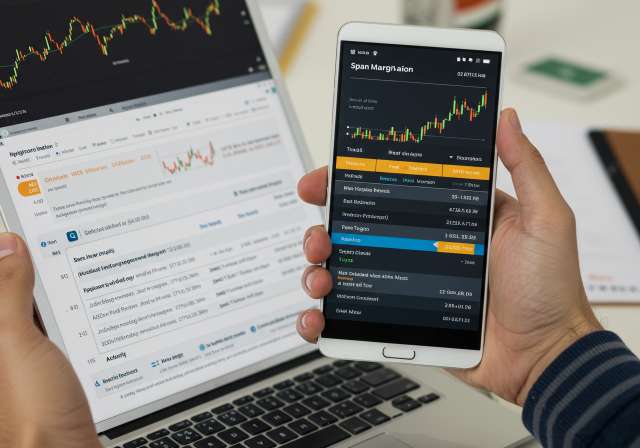
    The Indian stock market is booming, with more and more individuals participating in equity investments. Thanks to technology, accessing the markets has never been easier. Gone are the days of physically visiting brokers or relying on phone calls to place orders. Today, a plethora of stock trading apps offer a convenient and efficient way to buy and sell shares, manage your portfolio, and stay updated on market trends, all from the comfort of your smartphone.

    However, with so many options available, choosing the right app can be overwhelming. Each app comes with its own set of features, pricing structures, and user interfaces. This guide aims to provide a comprehensive overview of some of the top stock trading apps in India, helping you make an informed decision based on your individual investment needs and preferences. We’ll delve into key factors to consider, including brokerage charges, platform features, research capabilities, and security measures.

    Key Factors to Consider When Choosing a Stock Trading App

    Before diving into specific app recommendations, let’s outline the crucial aspects to evaluate when selecting a stock trading app:

    1. Brokerage Charges & Fees

    Brokerage charges are the fees levied by the platform for facilitating your trades. This is a primary factor, as excessive fees can eat into your investment returns. There are primarily two brokerage models:

    • Discount Brokers: These offer low or zero brokerage for equity delivery trades but charge a flat fee (usually around ₹20 per executed order) for intraday and F&O trades. They focus on providing a trading platform without offering extensive research or advisory services.
    • Full-Service Brokers: These brokers typically charge a percentage-based commission on each trade (e.g., 0.1% to 0.5%). They offer a wider range of services, including research reports, investment advice, and relationship managers.

    Consider your trading frequency and volume to determine which brokerage model is more cost-effective for you. For example, if you’re a long-term investor primarily focusing on equity delivery, a discount broker with zero brokerage on delivery trades might be ideal. But, if you frequently trade intraday or require personalized investment advice, a full-service broker may be a better fit.

    2. Trading Platform Features & User Interface

    A user-friendly and intuitive trading platform is essential for a smooth trading experience. Look for apps that offer:

    • Real-time Market Data: Access to live stock prices, charts, and market depth is crucial for making informed trading decisions.
    • Advanced Charting Tools: Technical analysis is an important part of stock trading. Choose apps with candlestick charts, indicators (like moving averages, RSI, MACD), and drawing tools.
    • Order Placement Options: Different order types (market orders, limit orders, stop-loss orders) allow you to control your trades effectively.
    • Portfolio Tracking: Easily monitor your investments and track your portfolio performance.
    • Alerts & Notifications: Stay informed about price movements, order executions, and other important market events.

    3. Research & Analysis Tools

    Informed investment decisions require thorough research. Look for apps that provide:

    • Company Fundamentals: Access to key financial ratios, balance sheets, income statements, and cash flow statements.
    • Analyst Ratings & Recommendations: Insights from brokerage houses and analysts can help you evaluate stocks.
    • News & Market Updates: Stay updated on the latest market trends, economic news, and corporate announcements.
    • Screeners: Filter stocks based on specific criteria, such as market capitalization, PE ratio, dividend yield, etc.

    4. Account Security & Safety

    Protecting your financial information is paramount. Ensure that the app employs robust security measures, such as:

    • Two-Factor Authentication (2FA): Adds an extra layer of security by requiring a second verification code in addition to your password.
    • Encryption: Protects your data during transmission.
    • SEBI Registration: Verify that the broker is registered with the Securities and Exchange Board of India (SEBI), the regulatory body for the Indian securities market.

    5. Customer Support

    Responsive and helpful customer support is essential, especially when you encounter technical issues or have questions about your account. Check for the availability of:

    • Phone Support: Direct communication with a customer service representative.
    • Email Support: A convenient way to submit inquiries and receive written responses.
    • Chat Support: Instant messaging with a support agent.
    • FAQ Section: A comprehensive resource for answering common questions.

    Top Stock Trading Apps in India: A Comparative Overview

    Here are some of the popular stock trading apps in India, along with their key features and considerations:

    1. Zerodha Kite

    Zerodha is a leading discount broker known for its user-friendly Kite platform. It offers zero brokerage for equity delivery trades and a flat ₹20 per executed order for intraday and F&O.

    • Pros: Low brokerage, user-friendly interface, advanced charting tools, direct mutual fund investments, good for beginners.
    • Cons: Limited research reports, can be overwhelming for first-time investors due to the sheer amount of data.

    2. Upstox

    Upstox is another popular discount broker offering a simple and intuitive trading experience. It also boasts low brokerage fees and a mobile-first approach.

    • Pros: Low brokerage, easy-to-use app, paperless account opening, good for mobile users.
    • Cons: Fewer features compared to Zerodha, occasional technical glitches reported.

    3. Angel One

    Angel One (formerly Angel Broking) is a full-service broker that has transitioned to a discount brokerage model. It offers a range of services, including research reports, advisory services, and margin trading.

    • Pros: Research reports, advisory services, margin trading facilities, diverse investment options (including IPOs, mutual funds, and insurance).
    • Cons: Higher brokerage compared to pure discount brokers, interface can be slightly complex.

    4. Groww

    Groww is a popular app known for its user-friendly interface and focus on mutual fund investments. It also allows users to invest in stocks and US stocks.

    • Pros: Simple and intuitive interface, easy mutual fund investments, commission-free direct mutual funds, investment in US stocks.
    • Cons: Fewer advanced trading features compared to Zerodha and Upstox, limited research tools.

    5. 5paisa

    5paisa is a discount broker offering a flat ₹20 per executed order for all segments. It also provides a range of value-added services, such as research and advisory.

    • Pros: Flat brokerage, comprehensive research reports, robo-advisory services, good for frequent traders.
    • Cons: Account maintenance charges, interface can feel cluttered.

    6. Kotak Securities

    Kotak Securities is a full-service broker associated with Kotak Mahindra Bank. It offers a wide range of investment products and services, including stocks, mutual funds, IPOs, and fixed deposits.

    • Pros: Reputable brand, banking integration, research reports, personalized advisory services.
    • Cons: Higher brokerage compared to discount brokers, account maintenance charges.

    Beyond Equity: Exploring Other Investment Options through Trading Apps

    While stock trading apps primarily focus on equities, many also offer access to other investment avenues, diversifying your portfolio and managing risk effectively. These include:

    • Mutual Funds: Invest in a diversified portfolio of stocks, bonds, or other assets managed by professional fund managers. Consider Systematic Investment Plans (SIPs) for disciplined, long-term investing. Explore Equity Linked Savings Schemes (ELSS) for tax benefits under Section 80C of the Income Tax Act.
    • Initial Public Offerings (IPOs): Apply for shares of companies going public through IPOs.
    • Commodities: Trade in gold, silver, crude oil, and other commodities through commodity exchanges like MCX.
    • Currency Derivatives: Trade in currency futures and options.
    • Government Securities: Invest in Treasury Bills (T-Bills) and other government bonds.
    • National Pension System (NPS): Contribute to the NPS, a government-sponsored pension scheme offering tax benefits.

    Conclusion: Empowering Your Investment Journey

    Choosing the right stock trading app is a crucial step towards building a successful investment portfolio. By carefully considering your investment goals, trading frequency, risk tolerance, and budget, you can select an app that aligns with your individual needs. Remember to prioritize security, research, and a user-friendly interface. Explore the features of different apps, compare brokerage charges, and read user reviews before making a final decision.

    The Indian stock market offers tremendous opportunities for wealth creation, and with the right tools and knowledge, you can navigate the market with confidence and achieve your financial goals. Happy investing!


  • Top Stock Market Apps: Your Gateway to the Indian Equity Markets

    Top Stock Market Apps: Your Gateway to the Indian Equity Markets

    Navigate the Indian stock market with ease! Discover the best stock market apps for seamless trading, real-time updates, expert analysis, and smart investment d

    Navigate the Indian stock market with ease! Discover the best stock market apps for seamless trading, real-time updates, expert analysis, and smart investment decisions. Start investing today!

    Top Stock Market Apps: Your Gateway to the Indian Equity Markets

    Introduction: Empowering Investors in the Digital Age

    The Indian equity market is experiencing a phenomenal surge in retail participation. Fuelled by increasing awareness and technological advancements, more and more Indians are looking to build wealth through investments in stocks, mutual funds, and other financial instruments. One of the most significant enablers of this trend is the proliferation of user-friendly and feature-rich mobile applications.

    Gone are the days of relying solely on brokers and complex trading terminals. Today, with a simple smartphone and a reliable internet connection, you can access real-time market data, execute trades, track your portfolio, and receive expert insights, all at your fingertips. This democratization of investing has empowered individuals across the country to take control of their financial futures.

    Why Use a stock market app? Advantages for the Modern Investor

    Using a dedicated application offers several advantages over traditional methods of investing. Here are a few key benefits:

    • Convenience and Accessibility: Trade anytime, anywhere. Whether you’re commuting to work or relaxing at home, you can stay connected to the market and manage your investments.
    • Real-Time Data and Analytics: Access live stock prices, charts, news, and analysis to make informed decisions. Most apps provide comprehensive data visualization tools to help you understand market trends.
    • Ease of Use: Intuitive interfaces and user-friendly navigation make investing accessible even to beginners. Many apps offer educational resources and tutorials to help you get started.
    • Cost-Effectiveness: Many brokers offer lower brokerage fees and commission-free trading through their mobile apps. This can significantly reduce your trading costs, especially if you are a frequent trader.
    • Portfolio Tracking and Management: Monitor your investment performance in real-time, track your asset allocation, and receive alerts for important events.
    • Research and Analysis: Access expert opinions, research reports, and investment recommendations to help you identify promising investment opportunities.
    • Direct Mutual Fund Investments: Invest in direct mutual funds without paying commission to distributors, potentially increasing your returns. Many apps allow you to start SIPs in various mutual fund schemes.
    • IPOs and Corporate Actions: Apply for Initial Public Offerings (IPOs) and stay informed about corporate actions such as dividends, stock splits, and bonus issues.

    Key Features to Look for in a Stock Market App

    With a plethora of options available, choosing the right application can be overwhelming. Here’s a checklist of essential features to consider:

    • User Interface and Experience (UI/UX): The app should be intuitive, easy to navigate, and visually appealing. A clean and uncluttered interface is crucial for a seamless investing experience.
    • Real-Time Market Data: Ensure the app provides real-time stock prices, indices (like Nifty 50 and BSE Sensex), and other market data with minimal delay.
    • Order Execution: The app should allow you to place buy and sell orders quickly and efficiently. Look for features like limit orders, stop-loss orders, and bracket orders.
    • Charting Tools: Advanced charting tools are essential for technical analysis. Look for features like candlestick charts, moving averages, and other technical indicators.
    • Research and Analysis: The app should provide access to research reports, company financials, and expert opinions from reputable sources.
    • Portfolio Tracking: A comprehensive portfolio tracker that allows you to monitor your investments, track your returns, and analyze your asset allocation is a must-have.
    • News and Alerts: Stay updated with the latest market news, company announcements, and regulatory updates. Look for customizable alerts that notify you of price movements and other important events.
    • Security: Ensure the app has robust security measures in place, such as two-factor authentication and data encryption, to protect your personal and financial information. SEBI registered brokers generally offer secure platforms.
    • Customer Support: Responsive and helpful customer support is crucial. Look for apps that offer multiple channels of support, such as phone, email, and chat.
    • Investment Options: Check if the app allows you to invest in various asset classes, including stocks, mutual funds, ETFs, IPOs, and even other investment options like digital gold.

    Popular Stock Market Apps in India: A Comparative Overview

    Here’s a brief overview of some of the leading applications currently available to Indian investors. It is always recommended to do your own research and read reviews before making a decision. It is also advisable to check SEBI’s website for any regulatory action against the broker offering the app.

    • Zerodha Kite: Known for its simple interface and low brokerage fees, Zerodha Kite is a popular choice among both beginners and experienced traders. It offers a wide range of features, including real-time market data, advanced charting tools, and direct mutual fund investments.
    • Upstox: Upstox is another popular application that offers a user-friendly platform and competitive brokerage rates. It provides access to a wide range of investment options, including stocks, mutual funds, and digital gold.
    • Groww: Groww is a platform particularly known for its easy-to-use interface for investing in mutual funds and stocks. It offers commission-free investing in direct mutual funds and a simplified trading experience.
    • Angel One: Angel One is a full-service broker that offers a comprehensive trading platform with research and advisory services. It provides access to a wide range of investment options and personalized investment recommendations.
    • 5paisa: 5paisa is a discount broker that offers a flat-fee brokerage model. It provides access to a wide range of investment options and a user-friendly trading platform.
    • ICICI Direct Markets: ICICI Direct is a popular platform backed by a large financial institution. It provides access to stocks, mutual funds, IPOs, and fixed deposits, with integrated banking services.
    • HDFC Securities MobileTrading: Similar to ICICI Direct, HDFC Securities offers a mobile application, allowing investors to trade stocks, derivatives, and invest in mutual funds and IPOs.

    Beyond Stocks: Exploring Other Investment Options through Apps

    While these applications are primarily known for stock trading, many also offer access to other investment options, including:

    • Mutual Funds: Invest in a wide range of mutual funds, including equity funds, debt funds, and hybrid funds. Many apps allow you to start SIPs (Systematic Investment Plans) for disciplined investing.
    • Exchange Traded Funds (ETFs): Invest in ETFs that track specific indices or sectors. ETFs offer a cost-effective way to diversify your portfolio.
    • Initial Public Offerings (IPOs): Apply for IPOs of companies looking to list on the stock exchanges.
    • Digital Gold: Invest in digital gold as an alternative asset class.
    • US Stocks: Some apps now offer the ability to invest in US stocks, allowing you to diversify your portfolio globally.

    Tips for Choosing the Right Stock Market App

    Here are some practical tips to help you choose the right application for your needs:

    • Define your investment goals and risk tolerance: Are you a long-term investor or a short-term trader? What is your risk tolerance? Choose an app that caters to your specific needs.
    • Compare brokerage fees and charges: Different brokers have different fee structures. Compare the fees and charges of different apps before making a decision. Pay attention to brokerage fees, account maintenance charges, and other hidden costs.
    • Read reviews and ratings: Check online reviews and ratings to get an idea of the app’s user experience and customer support.
    • Try out the demo account: Many brokers offer demo accounts that allow you to try out the app before opening a real account. This is a great way to get a feel for the app’s features and usability.
    • Ensure regulatory compliance: Make sure the broker is registered with SEBI and complies with all applicable regulations. This will help protect your investments.

    Understanding the Risks Involved

    Investing in the stock market involves risk, and it’s crucial to be aware of these risks before you start trading. The price of stocks can fluctuate significantly, and you could lose money on your investments. It’s important to do your research, understand the risks involved, and invest only what you can afford to lose. You should also be aware of potential biases in the research and recommendations provided by the apps and conduct your own due diligence.

    Conclusion: Empowering Your Investment Journey

    The rise of mobile applications has revolutionized the way Indians invest in the stock market. With their convenience, accessibility, and feature-rich functionality, these apps have empowered individuals to take control of their financial futures. However, it is important to remember that investing in the stock market involves risk, and it’s crucial to do your research and understand the risks involved before you start trading. By choosing the right application and investing wisely, you can potentially achieve your financial goals and build long-term wealth through the Indian equity markets. Remember to always consult with a qualified financial advisor before making any investment decisions.

  • Unlock Options Trading Success: The Power of Option Analytics Tools

    Unlock Options Trading Success: The Power of Option Analytics Tools

    Confused by options trading? Demystify complex strategies with an option analytics tool. Make informed decisions, manage risk, and boost returns. Learn how to u

    Confused by options trading? Demystify complex strategies with an option analytics tool. Make informed decisions, manage risk, and boost returns. Learn how to use it effectively in the Indian market!

    Unlock Options Trading Success: The Power of Option Analytics Tools

    Introduction: Navigating the Indian Options Market

    The Indian equity market, with the NSE (National Stock Exchange) and BSE (Bombay Stock Exchange) as its pillars, offers a wealth of opportunities for investors. Among the most dynamic instruments are options, which, while potentially lucrative, can also be complex and risky. Successfully navigating this landscape requires more than just intuition; it demands a data-driven approach. This is where an option analytics tool becomes indispensable.

    For Indian investors, whether seasoned traders or newcomers, understanding the nuances of options trading is crucial. Regulatory oversight by SEBI (Securities and Exchange Board of India) ensures a framework for fair and transparent trading practices, but the ultimate responsibility for making informed decisions rests with the individual investor. This article delves into the world of options analytics tools, exploring their functionalities, benefits, and how they can empower you to trade options with greater confidence and profitability.

    Understanding Options Trading Basics

    Before diving into the intricacies of option analytics tools, let’s briefly recap the fundamentals of options trading. An option is a contract that gives the buyer the right, but not the obligation, to buy (call option) or sell (put option) an underlying asset at a predetermined price (strike price) on or before a specified date (expiration date). Option prices, also known as premiums, are influenced by various factors, including the price of the underlying asset, time to expiration, volatility, and interest rates.

    In the Indian context, options are typically traded on indices like the Nifty 50 and Bank Nifty, as well as on individual stocks. Understanding concepts like:

    • Call Options: Give the buyer the right to buy the underlying asset.
    • Put Options: Give the buyer the right to sell the underlying asset.
    • Strike Price: The price at which the underlying asset can be bought or sold.
    • Expiration Date: The date on which the option contract expires.
    • Premium: The price paid for the option contract.
    • Intrinsic Value: The difference between the strike price and the current market price of the underlying asset (if the option is “in the money”).
    • Time Value: The portion of the option premium that reflects the potential for the option to become more valuable as time passes.
    • Greeks: Measures of sensitivity that describe how an option’s price is expected to change in response to changes in different factors (e.g., Delta, Gamma, Theta, Vega, Rho).

    …is essential before even considering using an option analytics tool. Remember that options trading involves leverage, which can amplify both gains and losses. Risk management is paramount.

    Why You Need an Option Analytics Tool

    Options trading is far more complex than simply buying and selling stocks. Numerous variables influence option prices, and manually analyzing these factors can be time-consuming and prone to errors. An options analytics tool simplifies this process by providing a comprehensive platform for:

    • Real-Time Data: Access to up-to-the-minute quotes, charts, and market data.
    • Strategy Simulation: Test and evaluate different options trading strategies before implementing them with real money.
    • Risk Management: Identify and manage potential risks associated with various options positions.
    • Volatility Analysis: Track and analyze implied volatility, a crucial factor in options pricing.
    • “What-If” Scenarios: Assess the potential impact of different market scenarios on your options positions.
    • Profit and Loss (P&L) Calculation: Accurately calculate potential profits and losses for different options strategies.

    Without a robust option analytics tool, investors are essentially navigating the options market blindfolded. These tools provide the necessary visibility and analytical power to make informed decisions, manage risk effectively, and potentially enhance returns.

    Key Features of a Powerful Option Analytics Tool

    Not all option analytics tools are created equal. When selecting a tool, consider the following key features:

    1. Real-Time Data and Market Monitoring

    Access to real-time quotes, charts, and market data is fundamental. The tool should provide streaming data feeds from the NSE and BSE, ensuring that you have the most current information available. This includes tracking option chains, implied volatility, open interest, and other relevant market indicators.

    2. Option Chain Analysis

    An option chain displays all available options contracts for a specific underlying asset, organized by strike price and expiration date. The tool should offer advanced filtering and sorting capabilities to quickly identify options that meet your specific criteria. Features like visualizing open interest as a heatmap can be very helpful in identifying areas of potential support and resistance.

    3. Strategy Simulation and Backtesting

    The ability to simulate different options trading strategies before implementing them with real money is invaluable. This allows you to test your ideas, evaluate potential risks and rewards, and refine your approach. Backtesting functionality allows you to see how a strategy would have performed historically, providing valuable insights into its potential effectiveness.

    4. Greeks and Sensitivity Analysis

    The “Greeks” (Delta, Gamma, Theta, Vega, Rho) are essential measures of sensitivity that describe how an option’s price is expected to change in response to changes in different factors. A good option analytics tool will provide real-time Greeks calculations and allow you to analyze how these values change as market conditions evolve. Understanding the Greeks is critical for managing risk and making informed trading decisions.

    5. Risk Management and P&L Calculation

    Effective risk management is paramount in options trading. The tool should offer features that allow you to monitor your exposure, set stop-loss orders, and analyze potential losses. Accurate P&L calculation is also essential for tracking your performance and making adjustments to your strategies.

    6. Customization and Alerts

    The ability to customize the tool to your specific needs and preferences is important. This includes setting up custom alerts based on price movements, volatility changes, or other relevant market events. Alerts can help you stay informed and react quickly to changing market conditions.

    7. User-Friendly Interface

    A user-friendly interface is crucial, especially for beginners. The tool should be intuitive and easy to navigate, with clear and concise data visualizations. A steep learning curve can be a significant barrier to adoption.

    Using an Option Analytics Tool Effectively

    Having access to a powerful option analytics tool is only half the battle. To use it effectively, you need a solid understanding of options trading principles and a disciplined approach to risk management. Here are some tips for maximizing the benefits of your option analytics tool:

    • Define Your Trading Goals: What are you trying to achieve with options trading? Are you looking to generate income, hedge your portfolio, or speculate on price movements?
    • Develop a Trading Plan: Outline your trading strategies, risk management rules, and entry/exit criteria.
    • Understand the Greeks: Learn how the Greeks influence option prices and how to use them to manage risk.
    • Simulate Your Strategies: Before implementing a strategy with real money, test it thoroughly using the tool’s simulation capabilities.
    • Monitor Your Positions: Regularly monitor your positions and make adjustments as needed based on changing market conditions.
    • Manage Your Risk: Set stop-loss orders and use other risk management techniques to protect your capital.
    • Continuously Learn: The options market is constantly evolving, so it’s important to stay informed and continue learning.

    Option Analytics and Investment Options in India

    While focusing primarily on options trading, it is important to place it within the broader context of investment options available to Indian investors. Here’s how understanding options analytics can complement other common investment avenues:

    Mutual Funds and SIPs

    Understanding volatility, a key component assessed using option analytics, can help you choose appropriate mutual funds. High volatility funds might offer higher potential returns but also carry more risk, while low volatility funds are generally more stable. Knowing how to interpret volatility indices can enhance your fund selection process for both lump-sum investments and Systematic Investment Plans (SIPs).

    ELSS (Equity Linked Savings Scheme)

    ELSS funds, which offer tax benefits under Section 80C, are also subject to market risk. Using option analytics to gauge overall market sentiment can inform your decisions about investing in or redeeming ELSS units. Periods of high market volatility, as indicated by option analytics, might suggest a more cautious approach to ELSS investments.

    PPF (Public Provident Fund) and NPS (National Pension System)

    While PPF offers guaranteed returns and NPS is a retirement-focused investment, understanding market dynamics through option analytics can still be beneficial. For instance, awareness of potential market downturns might prompt you to increase contributions to NPS to take advantage of lower unit prices (especially if you have a significant equity allocation in your NPS portfolio).

    Direct Equity Investments

    If you invest directly in equity, understanding the options market for those specific stocks can provide valuable insights. Analyzing option chains and implied volatility can help you assess market sentiment and make more informed decisions about buying, selling, or holding your stock positions.

    Integrating your understanding of option analytics with other investment avenues allows for a more holistic and informed approach to financial planning.

    Conclusion: Empowering Your Options Trading Journey

    Options trading can be a powerful tool for generating income, hedging risk, and enhancing portfolio returns. However, it requires a disciplined approach and a deep understanding of market dynamics. An effective options analytics tool is not just a luxury; it’s a necessity for navigating the complexities of the options market. By leveraging the power of real-time data, strategy simulation, and risk management features, you can empower yourself to make informed decisions and achieve your financial goals in the Indian equity market. Remember to consult with a qualified financial advisor before making any investment decisions.

  • Cracking the Code: Mastering Technical Analysis Tools in Your Trading App

    Cracking the Code: Mastering Technical Analysis Tools in Your Trading App

    Unlock profitable trades with the best technical analysis tools in trading app! Explore indicators, charting patterns, and strategies to boost your stock market

    Unlock profitable trades with the best technical analysis tools in trading app! Explore indicators, charting patterns, and strategies to boost your stock market returns in India.

    Cracking the Code: Mastering Technical Analysis Tools in Your Trading App

    Introduction: Navigating the Indian Stock Market with Precision

    The Indian stock market, encompassing giants like the NSE (National Stock Exchange) and BSE (Bombay Stock Exchange), offers immense opportunities for wealth creation. However, navigating its complexities requires more than just intuition. Whether you’re a seasoned investor or a newbie eager to dive into equities, a solid understanding of technical analysis is crucial for making informed trading decisions. In today’s fast-paced world, trading apps have become indispensable tools, providing access to real-time data and a plethora of technical indicators right at your fingertips. But with so many options available, how do you choose the right tools to enhance your trading strategy? This guide will delve into the essential technical analysis tools within trading apps, specifically tailored for the Indian investor seeking to optimize their returns.

    Understanding the Basics: What is Technical Analysis?

    Before we dive into specific tools, let’s recap the fundamentals. Technical analysis is a methodology for forecasting the direction of prices through the study of past market data, primarily price and volume. Unlike fundamental analysis, which focuses on the intrinsic value of a company by examining its financial statements, technical analysis relies on charts and indicators to identify patterns and trends, helping traders predict future price movements. It’s a vital skill for anyone involved in short-term trading, swing trading, or even long-term investing as it can help identify optimal entry and exit points. Think of it as reading the market’s pulse – understanding its rhythm, recognizing patterns, and anticipating its next beat.

    Top Technical Analysis Tools You Need in Your Trading App

    Your trading app is your battlefield, and these tools are your weapons. Mastering them will significantly increase your chances of success in the Indian equity market. Remember, SEBI (Securities and Exchange Board of India) regulations require transparent and fair trading practices, so leveraging reliable tools and data is paramount.

    1. Candlestick Charts: Visualizing Price Action

    Candlestick charts are the foundation of technical analysis. Each candlestick represents the open, high, low, and close prices for a specific period. The body of the candlestick indicates the difference between the open and close prices, while the wicks (or shadows) represent the high and low prices. Different candlestick patterns, like Doji, Hammer, and Engulfing patterns, can signal potential reversals or continuations of trends. Most trading apps offer various candlestick types – Heikin-Ashi being a popular variation that smooths out price data, making it easier to identify trends.

    2. Moving Averages (MA): Smoothing Out the Noise

    Moving averages are used to smooth out price data by creating a single flowing line that represents the average price over a specified period. They help identify trends and potential support and resistance levels. Common types include Simple Moving Average (SMA), Exponential Moving Average (EMA), and Weighted Moving Average (WMA).

    • SMA: Gives equal weight to all data points within the period.
    • EMA: Gives more weight to recent data, making it more responsive to price changes.
    • WMA: Allows you to customize the weighting of data points.

    Indian investors often use the 50-day and 200-day moving averages to gauge the long-term trend of a stock. The crossover of these two averages (a golden cross or death cross) is a widely followed signal.

    3. Relative Strength Index (RSI): Gauging Momentum

    The RSI is a momentum oscillator that measures the speed and change of price movements. It ranges from 0 to 100, with readings above 70 typically indicating an overbought condition (price may be due for a correction) and readings below 30 indicating an oversold condition (price may be due for a bounce). Traders in the Indian market use the RSI to identify potential buying and selling opportunities. Look for divergences between price and RSI, which can signal a weakening trend.

    4. Moving Average Convergence Divergence (MACD): Spotting Trend Changes

    The MACD is a trend-following momentum indicator that shows the relationship between two moving averages of a security’s price. It consists of the MACD line, the signal line (a moving average of the MACD line), and the histogram (which represents the difference between the MACD line and the signal line). Crossovers of the MACD line and the signal line can signal potential buy or sell signals. A rising histogram suggests increasing bullish momentum, while a falling histogram suggests increasing bearish momentum.

    5. Fibonacci Retracement: Identifying Potential Support and Resistance

    Fibonacci retracement levels are horizontal lines that indicate potential support and resistance levels based on Fibonacci ratios (23.6%, 38.2%, 50%, 61.8%, and 100%). These levels are derived from the Fibonacci sequence, a mathematical sequence that appears frequently in nature and is believed to influence market behavior. Traders use Fibonacci retracement levels to identify potential entry points for buying or selling, anticipating that the price will reverse direction near these levels.

    6. Volume Indicators: Confirming Trends

    Volume represents the number of shares traded during a specific period. It’s a crucial indicator for confirming the strength of a trend. Increasing volume during an uptrend suggests strong buying pressure, while increasing volume during a downtrend suggests strong selling pressure. On Balance Volume (OBV) and Volume Price Trend (VPT) are two popular volume indicators that can help you gauge the strength of a trend and identify potential reversals.

    7. Bollinger Bands: Measuring Volatility

    Bollinger Bands consist of a middle band (typically a 20-day simple moving average) and two outer bands that are a certain number of standard deviations (typically two) away from the middle band. They measure the volatility of a security’s price. When the price is near the upper band, it suggests that the security is overbought, and when the price is near the lower band, it suggests that the security is oversold. Bollinger Bands can also be used to identify periods of high and low volatility.

    Applying Technical Analysis to Your Trading Strategy in India

    Now that you’re familiar with some essential technical analysis tools, let’s discuss how to incorporate them into your trading strategy within the context of the Indian market. Remember, no single indicator is foolproof. It’s best to use a combination of indicators and confirm your signals with price action analysis.

    Combining Indicators for Confluence

    Look for areas where multiple indicators are giving the same signal. For example, if the price is breaking above a resistance level, the RSI is above 70, and the MACD is showing a bullish crossover, it’s a stronger signal than if only one of these conditions were met. This concept is known as confluence. The more evidence supporting a trade, the higher the probability of success.

    Considering Market Sentiment and News

    While technical analysis focuses on price and volume, it’s important to be aware of market sentiment and news events that can impact stock prices. Keep an eye on major economic announcements, corporate earnings reports, and geopolitical events that could affect the Indian stock market. These factors can sometimes override technical signals, so it’s essential to be aware of the bigger picture.

    Risk Management is Key

    No matter how good your technical analysis skills are, it’s crucial to implement proper risk management techniques. Always use stop-loss orders to limit your potential losses and never risk more than a small percentage of your capital on any single trade. Remember that the Indian market, while offering high potential returns, can also be volatile, particularly with smaller cap stocks. Consider diversifying your portfolio across different sectors and asset classes to mitigate risk.

    Backtesting Your Strategies

    Before you start trading with real money, it’s a good idea to backtest your strategies using historical data. This will help you assess the effectiveness of your chosen indicators and identify any potential weaknesses in your trading plan. Many trading apps offer backtesting features, allowing you to simulate your trades and see how they would have performed in the past. This is a valuable way to refine your strategy and build confidence before putting your capital at risk.

    Beyond Equities: Technical Analysis in Other Indian Investment Instruments

    While commonly associated with equity markets, technical analysis can also be applied to other investment instruments available in India, though with potentially varying degrees of success.

    Commodities: Gold, Silver, and Crude Oil

    Technical analysis is widely used in commodity markets like gold, silver, and crude oil, which are traded on exchanges like MCX (Multi Commodity Exchange). Traders use candlestick patterns, moving averages, and other indicators to identify trends and potential trading opportunities.

    Currency Markets (Forex): INR Pairs

    Technical analysis is also applicable to the currency markets, particularly when trading INR pairs against other currencies like the USD or EUR. Currency traders use technical indicators to analyze price charts and make informed trading decisions.

    Mutual Funds and SIPs: A Different Perspective

    While technical analysis is less directly applicable to mutual funds and SIPs (Systematic Investment Plans), it can still be used to analyze the underlying assets held within the fund. For example, you can use technical analysis to assess the overall market trend and make decisions about when to invest in or redeem your mutual fund holdings. However, remember that mutual fund investments are typically long-term in nature, so fundamental analysis is usually more important than technical analysis in this context.

    Leveraging Trading Apps for Informed Investing in India

    Trading apps have democratized access to the Indian stock market. They provide a user-friendly interface, real-time data, and a wide range of technical analysis tools. However, it’s crucial to choose a reputable trading app that offers reliable data, robust security, and excellent customer support. Also, be mindful of the brokerage fees and other charges associated with the app.

    In conclusion, mastering technical analysis tools is essential for any investor seeking to profit from the Indian stock market. By understanding the fundamentals of these tools and incorporating them into a well-defined trading strategy, you can significantly increase your chances of success. Remember to practice diligently, backtest your strategies, and always manage your risk effectively. And don’t forget that continuous learning is key to staying ahead in the ever-evolving world of finance. Whether you are investing in Equity Linked Savings Schemes (ELSS) for tax benefits, contributing to your Public Provident Fund (PPF) for long-term security, or planning your retirement through the National Pension System (NPS), knowledge of the market, aided by the right technical tools, can improve your overall financial well-being.

  • Supercharge Your Trades: Best Technical Analysis Tools in Trading App

    Supercharge Your Trades: Best Technical Analysis Tools in Trading App

    Unlock trading success with the best technical analysis tools in trading app! This guide covers essential indicators, chart patterns, and strategies for smarter

    Unlock trading success with the best technical analysis tools in trading app! This guide covers essential indicators, chart patterns, and strategies for smarter investing on NSE & BSE.

    Supercharge Your Trades: Best Technical Analysis Tools in Trading App

    Introduction: Navigating the Indian Stock Market with Technical Analysis

    The Indian stock market, comprising the National Stock Exchange (NSE) and the Bombay Stock Exchange (BSE), presents a wealth of opportunities for investors. However, successfully navigating these markets requires more than just luck. Technical analysis provides a structured approach to understanding market trends, predicting future price movements, and making informed trading decisions. This involves analyzing historical price and volume data to identify patterns and signals that can guide your investment strategy. With the rise of mobile trading apps, these powerful technical analysis tools are now readily accessible to every investor, right at their fingertips.

    Why Technical Analysis is Crucial for Indian Traders

    For Indian traders, understanding technical analysis is paramount. Here’s why:

    • Market Timing: Technical analysis helps you identify optimal entry and exit points in the market, maximizing your profits and minimizing losses.
    • Risk Management: By understanding potential support and resistance levels, you can set appropriate stop-loss orders to protect your capital.
    • Trend Identification: Technical indicators help you identify prevailing market trends, allowing you to trade in the direction of the overall market momentum.
    • Enhanced Decision-Making: Technical analysis provides a data-driven approach to trading, reducing emotional biases and improving your decision-making process.
    • Suitability for Various Instruments: Whether you’re trading equities, derivatives, or even commodities on the MCX, technical analysis can be applied across different asset classes.

    Essential Technical Analysis Tools Available in Trading Apps

    Modern trading apps are packed with a variety of technical analysis tools. Here are some of the most essential ones you should familiarize yourself with:

    1. Chart Types: Visualizing Price Action

    The foundation of technical analysis lies in effectively visualizing price data. Trading apps offer various chart types, each providing a unique perspective on market movements:

    • Line Charts: The simplest chart type, connecting closing prices over a period. Useful for identifying overall trends.
    • Bar Charts: Display the open, high, low, and close prices for each period. Provide more comprehensive information than line charts.
    • Candlestick Charts: Similar to bar charts but use colored “bodies” to indicate whether the closing price was higher or lower than the opening price. Candlestick patterns are particularly useful for identifying potential reversals and continuations. Green (or white) candles indicate a bullish period, while red (or black) candles indicate a bearish period.
    • Heikin-Ashi Charts: A modified version of candlestick charts that averages price data, creating a smoother representation of trends. Useful for filtering out noise and identifying strong trends.

    2. Trend Indicators: Identifying Market Direction

    Trend indicators help you identify the direction and strength of the prevailing market trend. Some popular trend indicators include:

    • Moving Averages (MA): Calculate the average price over a specific period. Common periods include 50-day, 100-day, and 200-day moving averages. Crossovers between different moving averages can signal potential trend changes. For example, a 50-day MA crossing above a 200-day MA is often considered a bullish signal (a “golden cross”).
    • Exponential Moving Average (EMA): Similar to moving averages, but gives more weight to recent prices, making it more responsive to current market conditions.
    • Moving Average Convergence Divergence (MACD): A momentum indicator that shows the relationship between two moving averages of prices. It consists of the MACD line, the signal line (a moving average of the MACD line), and a histogram that shows the difference between the MACD line and the signal line. Crossovers and divergences can signal potential buy and sell opportunities.
    • Ichimoku Cloud: A comprehensive indicator that combines multiple averages and provides a visual representation of support and resistance levels. It can help identify trend direction, momentum, and potential entry and exit points.

    3. Momentum Indicators: Gauging the Speed of Price Changes

    Momentum indicators measure the rate of change of price, helping you identify overbought and oversold conditions, as well as potential trend reversals. Examples include:

    • Relative Strength Index (RSI): Measures the magnitude of recent price changes to evaluate overbought or oversold conditions in the price of a stock or other asset. An RSI above 70 typically indicates overbought conditions, while an RSI below 30 typically indicates oversold conditions.
    • Stochastic Oscillator: Compares a security’s closing price to its price range over a given period. Similar to the RSI, it helps identify overbought and oversold conditions.
    • Commodity Channel Index (CCI): Measures the current price level relative to its average price level over a period of time. It can be used to identify overbought and oversold conditions, as well as trend reversals.

    4. Volume Indicators: Confirming Price Movements

    Volume represents the number of shares traded during a specific period. Analyzing volume can provide valuable insights into the strength and conviction behind price movements. Popular volume indicators include:

    • On Balance Volume (OBV): A cumulative volume indicator that adds volume on up days and subtracts volume on down days. It can help confirm price trends and identify potential divergences.
    • Volume Price Trend (VPT): Similar to OBV, but also considers the magnitude of price changes. It’s more sensitive to price movements than OBV.
    • Accumulation/Distribution Line (A/D Line): Considers the relationship between the closing price and the high-low range. It’s used to identify buying and selling pressure.

    5. Fibonacci Tools: Identifying Potential Support and Resistance Levels

    Fibonacci tools are based on the Fibonacci sequence, a mathematical sequence that appears frequently in nature. In technical analysis, Fibonacci retracements and extensions are used to identify potential support and resistance levels.

    • Fibonacci Retracements: Horizontal lines drawn at key Fibonacci ratios (23.6%, 38.2%, 50%, 61.8%, and 78.6%) that can act as potential support or resistance levels.
    • Fibonacci Extensions: Used to project potential price targets beyond the current price range.

    6. Chart Patterns: Recognizing Visual Formations

    Chart patterns are visual formations that appear on price charts and can indicate potential future price movements. Some common chart patterns include:

    • Head and Shoulders: A bearish reversal pattern that indicates a potential downtrend.
    • Inverse Head and Shoulders: A bullish reversal pattern that indicates a potential uptrend.
    • Double Top: A bearish reversal pattern that occurs when the price reaches the same high twice, indicating a potential downtrend.
    • Double Bottom: A bullish reversal pattern that occurs when the price reaches the same low twice, indicating a potential uptrend.
    • Triangles: Indicate consolidation periods and potential breakouts.

    Integrating Technical Analysis with Fundamental Analysis in the Indian Context

    While technical analysis focuses on price and volume data, fundamental analysis involves evaluating a company’s financial health, industry outlook, and overall economic conditions. The most effective investment strategies often combine both technical and fundamental analysis. For instance, you might identify a fundamentally sound company using fundamental analysis (e.g., a company with strong earnings growth and a low price-to-earnings ratio), and then use technical analysis to identify an optimal entry point for your investment.

    In the Indian context, understanding regulatory changes from SEBI (Securities and Exchange Board of India), macroeconomic indicators released by the Reserve Bank of India (RBI), and industry-specific news is crucial for fundamental analysis. Combining this knowledge with technical analysis can lead to more informed and profitable investment decisions.

    Examples of Using Technical Analysis in Indian Markets

    Here are a few examples of how you can use technical analysis in the Indian stock market:

    • Identifying Entry Points for SIPs: You can use technical indicators like moving averages or RSI to identify periods of price weakness in a fundamentally strong company. This can help you time your Systematic Investment Plan (SIP) investments more effectively.
    • Managing Risk in ELSS Investments: If you invest in Equity Linked Savings Schemes (ELSS) for tax savings, you can use technical analysis to monitor the performance of your investments and set appropriate stop-loss orders to protect your capital during market downturns.
    • Trading Opportunities in the Nifty 50: You can use technical analysis to identify potential trading opportunities in the Nifty 50 index. For example, you might use candlestick patterns to identify potential reversal signals or moving average crossovers to confirm trend changes.

    Leveraging Trading App Features for Effective Technical Analysis

    To maximize the benefits of technical analysis, it’s crucial to understand how to effectively use the features offered by your trading app. This includes:

    • Customizing Charts and Indicators: Most trading apps allow you to customize the appearance of your charts and indicators. Experiment with different colors, line styles, and periods to find settings that work best for you.
    • Setting Alerts: Take advantage of the alert features to receive notifications when specific technical conditions are met, such as price breakouts or indicator crossovers.
    • Using Drawing Tools: Use drawing tools to identify potential support and resistance levels, trendlines, and chart patterns.
    • Backtesting Strategies: Some trading apps offer backtesting capabilities, allowing you to test your trading strategies on historical data. This can help you evaluate the effectiveness of your strategies before risking real money.

    Cautionary Note: Technical Analysis is Not a Guarantee

    While technical analysis can be a powerful tool, it’s important to remember that it’s not a foolproof system. The market is inherently unpredictable, and no technical indicator or chart pattern can guarantee future price movements. It’s crucial to use technical analysis as part of a comprehensive investment strategy that also considers fundamental analysis, risk management, and your own investment goals and risk tolerance. Furthermore, be aware of the potential for false signals and avoid relying solely on any single technical indicator.

    Conclusion: Empowering Your Trading Journey with Technical Analysis

    In conclusion, mastering technical analysis can significantly enhance your trading performance in the Indian stock market. By understanding and utilizing the various technical analysis tools available in modern trading apps, you can make more informed trading decisions, manage your risk effectively, and ultimately improve your investment outcomes. Whether you’re a seasoned trader or a beginner investor, incorporating technical analysis into your investment strategy can empower you to navigate the complexities of the market with greater confidence and success. Remember to continuously learn and adapt your strategies as the market evolves, and always prioritize risk management in your trading activities. Happy trading!

  • Basket Order Trading: Simplify & Streamline Your Investments

    Basket Order Trading: Simplify & Streamline Your Investments

    Simplify your investments with basket order trading! Learn how to execute multiple trades simultaneously on NSE & BSE, optimize your portfolio, and save time. D

    Simplify your investments with basket order trading! Learn how to execute multiple trades simultaneously on NSE & BSE, optimize your portfolio, and save time. Discover the benefits today!

    Basket Order Trading: Simplify & Streamline Your Investments

    Introduction: Taking Control of Your Portfolio

    In the dynamic world of Indian financial markets, efficient execution of trades is paramount. Whether you’re a seasoned investor navigating the complexities of the equity markets or a newcomer dipping your toes into mutual funds through SIPs, optimizing your trading strategy can significantly impact your returns. Imagine executing multiple buy and sell orders for different stocks, ETFs, or even options, all at once with a single click. That’s the power of basket order trading, a feature designed to streamline your trading process and save you valuable time.

    This comprehensive guide delves into the intricacies of basket order trading, exploring its benefits, functionalities, and practical applications for Indian investors. We’ll examine how this tool can be leveraged within the regulatory framework set by SEBI and how it fits into various investment strategies involving instruments like ELSS, PPF (indirectly), NPS, and more.

    Understanding Basket Orders: A Unified Approach to Trading

    A basket order is essentially a collection of multiple individual orders (buy or sell) for different securities. Instead of placing each order individually, which can be time-consuming and cumbersome, you can group them together into a single basket and execute them simultaneously. This simplifies the trading process, especially when dealing with complex trading strategies that require multiple transactions across different stocks or asset classes.

    Key Benefits of Basket Orders:

    • Time Efficiency: Execute multiple orders with a single click, saving significant time and effort.
    • Reduced Execution Risk: Simultaneous execution minimizes the risk of price fluctuations between individual orders.
    • Improved Accuracy: Pre-defined baskets reduce the chances of errors in order entry.
    • Strategy Execution: Facilitates the implementation of complex trading strategies like arbitrage, hedging, or sector diversification.
    • Portfolio Rebalancing: Simplifies the process of rebalancing your portfolio by executing multiple buy and sell orders according to your desired asset allocation.

    How Basket Order Trading Works in India

    Most reputable brokers in India offer basket order functionality on their trading platforms. The process generally involves the following steps:

    1. Creating a Basket: You define a basket by adding the desired securities (stocks, ETFs, options, etc.) and specifying the quantity or amount for each order.
    2. Setting Order Parameters: For each order within the basket, you can specify parameters like order type (market, limit, stop-loss), price (if applicable), and validity.
    3. Reviewing the Basket: Before execution, carefully review the entire basket to ensure all orders are accurate and align with your trading strategy.
    4. Executing the Basket: Once you are satisfied, execute the basket order. The platform will then send all individual orders to the exchange (NSE or BSE) for execution.
    5. Monitoring Order Status: Track the status of each order within the basket on the trading platform. The platform will usually indicate whether each order has been executed, partially executed, or rejected.

    Applications of Basket Orders for Indian Investors

    Basket orders can be beneficial for various types of investors and trading strategies. Here are a few examples:

    Portfolio Rebalancing:

    Rebalancing involves adjusting your portfolio’s asset allocation to maintain your desired risk profile. For instance, if your target allocation is 60% equity and 40% debt, but your equity holdings have outperformed, leading to a 70/30 split, you would need to sell some equity and buy more debt to restore the 60/40 balance. Basket orders simplify this process by allowing you to simultaneously sell overweighted assets and buy underweighted assets.

    SIP and Lump Sum Investments Across Multiple Mutual Funds:

    Investors often diversify their mutual fund holdings across different categories (equity, debt, hybrid) and fund houses. Instead of placing individual buy orders for each fund, a basket order allows you to execute all SIP or lump sum investments in one go.

    Index Tracking and Arbitrage Strategies:

    Basket orders are particularly useful for traders who want to replicate an index like the Nifty 50 or Sensex. By creating a basket containing the constituent stocks in the same proportions as the index, you can effectively track the index’s performance. They are also critical for arbitrage strategies where traders exploit price differences between different markets or exchanges for the same asset, requiring simultaneous buy and sell orders.

    Options Trading Strategies:

    Options trading often involves complex strategies that require simultaneous buying and selling of multiple options contracts with different strike prices and expiry dates. Basket orders are essential for executing these strategies efficiently and accurately.

    Sector Diversification:

    Investors may choose to diversify their investments across different sectors to mitigate risk. A basket order can be used to simultaneously buy stocks from various sectors, ensuring balanced exposure across the economy.

    Considerations and Risks Associated with Basket Orders

    While basket order trading offers numerous advantages, it’s crucial to be aware of the potential risks and considerations:

    • Slippage: In volatile markets, the price of some securities within the basket may fluctuate significantly between the time you place the order and the time it is executed. This can lead to slippage, where the actual execution price differs from your intended price.
    • Partial Execution: It’s possible that some orders within the basket may be executed while others are not, especially if there is low liquidity for certain securities. This can disrupt your intended strategy.
    • System Errors: Technical glitches or connectivity issues with your broker’s platform can lead to errors in order execution.
    • Order Rejection: Orders may be rejected by the exchange for various reasons, such as insufficient funds or margin requirements.
    • Complexity: While basket orders simplify execution, setting them up correctly requires careful planning and attention to detail.

    Tips for Effective Basket Order Trading

    To maximize the benefits of basket order trading and minimize potential risks, consider the following tips:

    • Choose a Reputable Broker: Select a broker with a reliable trading platform that offers robust basket order functionality and good customer support.
    • Thoroughly Research and Plan: Before creating a basket order, conduct thorough research on the securities you intend to trade and carefully plan your trading strategy.
    • Set Realistic Price Limits: Use limit orders instead of market orders, especially for less liquid securities, to control the price at which your orders are executed.
    • Monitor Your Orders Closely: Keep a close eye on the status of your orders and be prepared to adjust your strategy if necessary.
    • Start Small and Practice: If you are new to basket order trading, start with small baskets and gradually increase the size and complexity as you gain experience.
    • Understand Margin Requirements: Be aware of the margin requirements for each security in your basket and ensure you have sufficient funds in your account.

    Basket Orders vs. Other Order Types

    It’s important to distinguish basket orders from other order types commonly used in the Indian stock market:

    • Single Order: A single order is for a single security, while a basket order involves multiple securities.
    • Bracket Order: A bracket order is a single order with pre-defined stop-loss and target profit levels, while a basket order can contain multiple orders with different parameters.
    • Cover Order: A cover order is similar to a bracket order but with only a stop-loss order attached.

    Basket Orders and Regulatory Compliance in India (SEBI)

    All trading activities in the Indian stock market are regulated by the Securities and Exchange Board of India (SEBI). While SEBI does not have specific regulations exclusively for basket orders, all orders executed through this feature must comply with the existing SEBI guidelines on trading, margin requirements, and investor protection. It is the responsibility of the investor to ensure that their trading activities are compliant with all applicable regulations. Brokers also have a responsibility to ensure that their clients are aware of the risks involved in trading and that they have adequate risk management systems in place.

    The Future of Basket Order Trading in India

    As technology continues to evolve and the Indian financial markets become more sophisticated, basket order trading is likely to become even more popular. We can expect to see further enhancements to trading platforms, making it easier to create and execute complex basket orders. Artificial intelligence and machine learning may also play a role in optimizing basket order strategies and providing personalized trading recommendations. This, combined with the increasing awareness among retail investors about efficient trading techniques, suggests a bright future for basket order trading in India.

    Conclusion: Empowering Investors with Efficiency

    Basket order trading is a powerful tool that can significantly enhance the efficiency and effectiveness of your investment activities in the Indian stock market. By understanding its functionalities, benefits, and risks, you can leverage this feature to streamline your trading process, execute complex strategies, and ultimately achieve your financial goals. Remember to choose a reputable broker, plan your trades carefully, and monitor your orders closely to maximize the benefits and minimize the risks. As you gain experience, you can adapt basket order trading to your specific investment style and risk tolerance, making it an integral part of your overall investment strategy.