
Tag: investment strategies

  • Understanding Goodwill in Mutual Funds: A Comprehensive Guide for Indian Investors

    Understanding Goodwill in Mutual Funds: A Comprehensive Guide for Indian Investors

    Confused about Goodwill in Mutual Funds? Uncover its impact, valuation methods, and relevance to Indian investors. Understand how it affects your returns and in

    Understanding Goodwill in Mutual Funds: A Comprehensive Guide for Indian Investors

    Confused about Goodwill in Mutual Funds? Uncover its impact, valuation methods, and relevance to Indian investors. Understand how it affects your returns and investment decisions in the Indian market. Invest smarter today!

    Investing in mutual funds has become increasingly popular in India, offering a diversified and professionally managed avenue for wealth creation. The Indian mutual fund industry, regulated by the Securities and Exchange Board of India (SEBI), boasts a wide array of schemes catering to diverse risk appetites and investment goals. From equity funds focusing on high growth potential to debt funds prioritizing stability, and hybrid funds striking a balance between the two, the options seem endless.

    However, beneath the surface of impressive returns and catchy marketing campaigns lies a complex world of financial metrics and valuation methodologies. One such concept that often eludes the understanding of the average investor is “goodwill.” While more commonly associated with company acquisitions and mergers, goodwill can also play a subtle role in the valuation of mutual funds, particularly in specific scenarios. This article aims to demystify goodwill in the context of Indian mutual funds, providing a comprehensive guide for investors seeking a deeper understanding of their investments.

    In the realm of corporate finance, goodwill represents the intangible assets of a company that are not separately identifiable. It’s essentially the premium paid for a company over and above the fair value of its identifiable net assets (assets minus liabilities) during an acquisition. This premium reflects the value of factors like brand reputation, customer relationships, proprietary technology, and skilled workforce – elements that contribute to a company’s competitive advantage and future profitability.

    Imagine a scenario where Company A acquires Company B for ₹100 crore. After assessing Company B’s assets and liabilities, the fair value of its net assets is determined to be ₹80 crore. The difference of ₹20 crore represents the goodwill. Company A is essentially paying an additional ₹20 crore for the intangible benefits it expects to derive from acquiring Company B.

    Now, you might be wondering how this concept applies to mutual funds. After all, mutual funds primarily invest in stocks, bonds, and other securities. They don’t typically engage in acquiring entire companies. However, goodwill can indirectly impact mutual fund valuations in the following scenarios:

    As mentioned earlier, the impact of goodwill on mutual fund performance is largely indirect. It hinges on the success of the underlying company’s acquisition strategy and the overall market sentiment surrounding the deal. Here’s how it can play out:

    Goodwill mutual funds​

    Ultimately, the effect on mutual fund performance depends on a multitude of factors, including the size of the fund’s holding in the company, the overall market conditions, and the success of the acquisition. It is important to remember that goodwill, in itself, is not a guarantee of positive or negative returns.

    Equity funds, particularly those investing in large-cap companies listed on the National Stock Exchange (NSE) and the Bombay Stock Exchange (BSE), are more likely to be affected by goodwill due to the prevalence of M&A activity among these companies. When analyzing an equity fund, consider the following:

    It’s crucial to understand that goodwill is not amortized (gradually written off) like other intangible assets. Instead, it is subject to impairment testing at least annually. Impairment occurs when the fair value of the acquired entity is less than its carrying amount (including goodwill) on the balance sheet. In such cases, the company is required to write down the goodwill, which can negatively impact its profitability and shareholder value. This can, in turn, affect the mutual fund holding the company’s shares.

    While understanding goodwill is helpful, it’s essential to remember that it’s just one piece of the puzzle when making investment decisions in mutual funds. Here are some other key factors to consider:

    While “Goodwill mutual funds” is not a typical phrase used in the Indian financial market, understanding the concept of goodwill and its potential impact on companies within a mutual fund’s portfolio can help you make more informed investment decisions. Remember that goodwill is just one of many factors to consider when evaluating a mutual fund. By focusing on the fundamentals, such as investment objective, fund type, expense ratio, fund manager expertise, and diversification, you can increase your chances of achieving your financial goals. Always consult with a financial advisor before making any investment decisions. The Indian mutual fund market offers numerous opportunities for wealth creation, but it’s crucial to approach it with knowledge and diligence.

    Introduction: Navigating the Nuances of Mutual Fund Valuation

    What Exactly is Goodwill? The Concept Explained

    Goodwill and Mutual Funds: Where Does It Fit In?

    • Mergers and Acquisitions (M&A) of Companies in the Fund’s Portfolio: If a mutual fund holds shares of a company that is acquired by another, the acquiring company will likely record goodwill on its balance sheet. The impact on the fund’s Net Asset Value (NAV) is indirect. A successful acquisition that strengthens the acquiring company’s financial position and future prospects can positively influence its stock price, thereby benefiting the mutual fund that holds its shares. Conversely, a poorly executed acquisition can lead to financial distress and a decline in the stock price, negatively impacting the fund.
    • Valuation of Fund Management Companies (AMCs): Asset Management Companies (AMCs) manage mutual funds. While rare, if an AMC is acquired by another financial institution, the acquiring entity might record goodwill. This goodwill reflects the value of the AMC’s brand, distribution network, fund management expertise, and investor base. While this goodwill doesn’t directly impact the NAV of the funds managed by the AMC, a reputable and well-managed AMC can attract more investors and potentially improve fund performance over time.

    How Goodwill Impacts Mutual Fund Performance (Indirectly)

    • Positive Impact:
      • Synergies and Efficiency Gains: If the acquiring company effectively integrates the acquired entity and realizes synergies (cost savings, increased revenue, etc.), it can boost its profitability and shareholder value. This, in turn, can lead to an increase in the stock price and positively impact the mutual fund holding the shares.
      • Market Confidence: A well-structured and strategically sound acquisition can signal confidence in the acquiring company’s management and growth prospects, leading to positive market sentiment and a higher stock valuation.
    • Negative Impact:
      • Overpayment and Integration Challenges: If the acquiring company overpays for the acquired entity or struggles to integrate its operations, it can lead to financial strain, lower profitability, and a decline in the stock price. This can negatively impact the mutual fund holding the shares.
      • Dilution of Earnings: In some cases, the acquisition can dilute the acquiring company’s earnings per share (EPS), especially if the acquired entity is not immediately profitable. This can negatively impact investor sentiment and the stock price.

    Analyzing Goodwill in the Context of Equity Funds

    • Portfolio Holdings: Review the fund’s portfolio holdings to identify companies that have recently been involved in acquisitions or mergers.
    • Company Financials: Analyze the financial statements of these companies to assess the impact of goodwill on their balance sheets and profitability. Look for signs of successful integration and synergy realization.
    • Fund Manager Commentary: Pay attention to the fund manager’s commentary and outlook regarding the impact of M&A activity on the fund’s performance. They often provide insights into how they are managing the risks and opportunities associated with these events.

    Goodwill Amortization and Impairment: Understanding the Write-Downs

    Investing in Mutual Funds: Beyond Goodwill – Key Considerations for Indian Investors

    • Investment Objective: Align your investment with your financial goals, risk tolerance, and time horizon. Are you looking for long-term growth, stable income, or a combination of both?
    • Fund Type: Choose a fund type that matches your investment objective and risk profile. Equity funds are generally suitable for long-term growth, while debt funds are better for income and capital preservation. Hybrid funds offer a balanced approach.
    • Expense Ratio: Pay attention to the fund’s expense ratio, which represents the annual cost of managing the fund. A lower expense ratio can translate to higher returns over time.
    • Fund Manager Expertise: Research the fund manager’s experience, track record, and investment style. A skilled fund manager can make a significant difference in the fund’s performance.
    • Past Performance: While past performance is not indicative of future results, it can provide insights into the fund’s historical volatility and risk-adjusted returns.
    • SIP vs. Lumpsum: Consider investing through Systematic Investment Plans (SIPs) to mitigate market volatility and benefit from rupee cost averaging. Lumpsum investments may be suitable if you have a large sum of money and believe the market is poised for growth.
    • Tax Implications: Understand the tax implications of investing in mutual funds, including capital gains tax and dividend distribution tax. Equity Linked Savings Schemes (ELSS) offer tax benefits under Section 80C of the Income Tax Act.
    • Diversification: Ensure that your overall investment portfolio is well-diversified across different asset classes and sectors. Don’t put all your eggs in one basket. You could consider investing in PPF, NPS, or other options in addition to mutual funds.
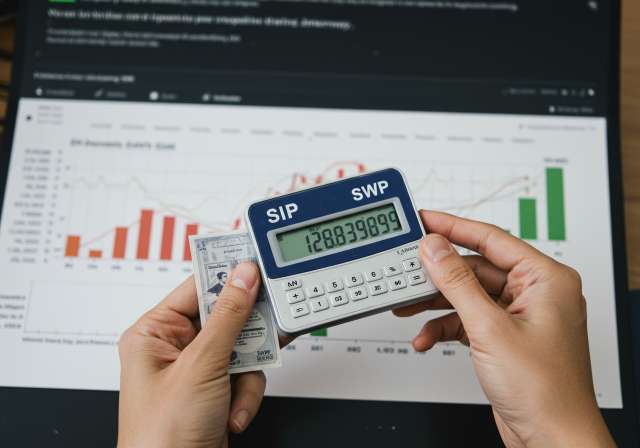

    Conclusion: Making Informed Investment Decisions

  • Decoding the Indian Stock Broker Landscape: A Comprehensive Guide

    Decoding the Indian Stock Broker Landscape: A Comprehensive Guide

    Navigate the complexities of the stock broker market in India. Discover the different types of brokers, fees, regulations (SEBI), and strategies to choose the r

    Navigate the complexities of the stock broker market in India. Discover the different types of brokers, fees, regulations (SEBI), and strategies to choose the right one for your investment journey.

    Decoding the Indian Stock Broker Landscape: A Comprehensive Guide

    Introduction: Entering the World of Indian Equities

    Investing in the Indian equity markets can be a powerful tool for wealth creation. Whether you’re a seasoned investor tracking the Sensex and Nifty 50 on the BSE and NSE, or a complete novice eager to start your first Systematic Investment Plan (SIP) in a promising mutual fund, understanding the role of a stock broker is crucial. This guide will walk you through the intricacies of the Indian stock brokerage ecosystem, equipping you with the knowledge to make informed decisions and choose a broker that aligns with your financial goals.

    The Role of a Stock Broker: Your Gateway to the Markets

    A stock broker acts as an intermediary between you, the investor, and the stock exchanges (NSE and BSE). They facilitate the buying and selling of securities, including stocks, bonds, mutual funds, and derivatives. Essentially, they provide the platform, technology, and services required to execute trades on your behalf. Choosing the right broker can significantly impact your investment experience, costs, and overall returns.

    Types of Stock Brokers in India: Finding Your Perfect Match

    The Indian brokerage landscape offers a diverse range of options, catering to different investor profiles and needs. Understanding the different types of brokers is the first step in making an informed decision.

    Full-Service Brokers: The Traditional Approach

    Full-service brokers offer a comprehensive suite of services, including:

    • Investment Advice: They provide personalized investment recommendations based on your financial goals, risk tolerance, and investment horizon.
    • Research Reports: Access to in-depth research reports on companies, sectors, and the overall market.
    • Relationship Manager: A dedicated relationship manager to assist you with your investment needs and queries.
    • Wealth Management Services: Some full-service brokers also offer wealth management services, including portfolio management and financial planning.
    • Wide Range of Products: Access to not just equities but also IPOs, bonds, mutual funds, insurance, and other investment options.

    Full-service brokers typically charge higher brokerage fees compared to discount brokers. They are suitable for investors who value personalized advice, comprehensive research, and a wide range of services, even if it comes at a higher cost. Think of them as your financial partner, guiding you through the complexities of the market.

    Discount Brokers: The Tech-Savvy Choice

    Discount brokers, on the other hand, focus on providing a low-cost trading platform. They typically offer:

    • Online Trading Platform: User-friendly online platforms for executing trades.
    • Limited or No Advice: Minimal or no investment advice or research.
    • Low Brokerage Fees: Significantly lower brokerage fees compared to full-service brokers.
    • Focus on Execution: Emphasis on efficient order execution.

    Discount brokers are ideal for experienced investors who are comfortable making their own investment decisions and are primarily looking for a cost-effective trading platform. They appeal to traders and investors who rely on their own research and analysis and prefer to manage their portfolios independently. The rise of discount brokers has democratized access to the Indian equity markets, making investing more affordable for a wider audience.

    Bank-Based Brokers: Convenience and Integration

    Many banks in India also offer brokerage services. These brokers provide:

    • Integrated Banking and Trading: Seamless integration between your bank account and trading account.
    • Convenience: Easy transfer of funds between accounts.
    • Familiarity: Leverage your existing relationship with the bank.
    • Potential for Bundled Services: May offer preferential rates or bundled services to existing bank customers.

    Bank-based brokers can be a convenient option for investors who prefer to keep their banking and trading activities under one roof. However, it’s important to compare their brokerage fees and services with other brokers before making a decision.

    Key Factors to Consider When Choosing a Stock Broker

    Selecting the right stock broker requires careful consideration of several factors:

    • Brokerage Fees: Compare the brokerage fees charged by different brokers. Understand their pricing structure, including commission rates, account maintenance fees, and other charges. Some brokers offer flat fee pricing, while others charge a percentage of the transaction value.
    • Trading Platform: Evaluate the user-friendliness, features, and stability of the broker’s trading platform. Look for a platform that offers real-time market data, charting tools, and order management capabilities. Mobile trading apps are also crucial for investors who want to trade on the go.
    • Research and Advisory Services: If you value investment advice and research, assess the quality and depth of the broker’s research reports and advisory services. Check the track record of their recommendations.
    • Customer Support: Ensure that the broker provides responsive and reliable customer support. Look for multiple channels of communication, such as phone, email, and live chat.
    • Regulatory Compliance: Verify that the broker is registered with the Securities and Exchange Board of India (SEBI) and complies with all regulatory requirements. SEBI registration ensures that the broker is subject to regulatory oversight and safeguards investor interests.
    • Account Opening Process: Evaluate the ease and speed of the account opening process. The KYC (Know Your Customer) process should be straightforward and efficient.
    • Products and Services Offered: Check if the broker offers the range of products and services that you require, such as access to IPOs, mutual funds, derivatives, and other investment options.
    • Margin and Leverage: Understand the margin and leverage options offered by the broker. While leverage can amplify returns, it also increases risk. Use leverage responsibly.

    Brokerage Fees and Charges: Understanding the Costs

    Brokerage fees and charges can significantly impact your investment returns. It’s essential to understand the different types of fees and compare them across brokers.

    • Commission: The fee charged for each trade executed.
    • Account Maintenance Fees: Annual fees charged for maintaining your trading account.
    • Transaction Charges: Fees levied by the exchanges (NSE and BSE) for each transaction.
    • SEBI Turnover Fees: Fees levied by SEBI on the turnover of securities traded.
    • Goods and Services Tax (GST): GST is applicable on brokerage fees and other charges.
    • DP Charges: Depository Participant (DP) charges levied for debiting securities from your Demat account when you sell shares.

    Always read the fine print and understand the complete fee structure before opening an account with a broker. Consider the overall cost of trading, including all fees and charges, when comparing brokers.

    Regulatory Framework: SEBI’s Role in Investor Protection

    The Securities and Exchange Board of India (SEBI) is the regulatory authority for the Indian securities market. SEBI’s primary objective is to protect the interests of investors and ensure the orderly functioning of the markets. SEBI regulates stock brokers, stock exchanges, and other market participants. It sets rules and regulations to prevent fraud, manipulation, and insider trading. Investors can lodge complaints with SEBI against brokers who violate regulatory norms. SEBI plays a crucial role in maintaining investor confidence in the Indian equity markets.

    Investment Options Beyond Equity: Exploring Mutual Funds, ELSS, PPF, and NPS

    While equity investments through a stock broker are a significant part of portfolio diversification, remember the other options for wealth creation.

    • Mutual Funds: Professionally managed investment schemes that pool money from multiple investors to invest in a diversified portfolio of stocks, bonds, or other assets. SIPs are a popular way to invest in mutual funds.
    • Equity Linked Savings Scheme (ELSS): Tax-saving mutual funds that invest primarily in equity. ELSS investments qualify for tax deductions under Section 80C of the Income Tax Act.
    • Public Provident Fund (PPF): A long-term savings scheme offered by the government. PPF offers tax benefits and a guaranteed rate of return.
    • National Pension System (NPS): A retirement savings scheme that allows individuals to invest in a mix of equity, debt, and other assets. NPS offers tax benefits and helps build a retirement corpus.

    A well-diversified portfolio includes a mix of asset classes, tailored to your risk tolerance and financial goals. Consider consulting a financial advisor to create a personalized investment plan that incorporates these options.

    Conclusion: Empowering Your Investment Journey

    Choosing the right stock broker is a critical step in your investment journey. By understanding the different types of brokers, key factors to consider, and the regulatory framework, you can make an informed decision that aligns with your financial goals. Remember to compare brokerage fees, evaluate trading platforms, and assess research and advisory services. The goal is to find a reliable partner who can help you navigate the complexities of the Indian equity markets and achieve your investment objectives. Whether you’re saving for retirement, a child’s education, or any other financial milestone, selecting the right broker is a vital part of your financial planning. With informed decision-making and a well-diversified portfolio, you can unlock the potential of the Indian equity markets and build long-term wealth. Always remember to conduct thorough research and consult with a qualified financial advisor before making any investment decisions. The Indian equity market can be volatile, but with a disciplined approach and the right tools, you can achieve your financial aspirations.

  • Wealth Management in Chennai: Is Goodwill the Right Fit for You?

    Wealth Management in Chennai: Is Goodwill the Right Fit for You?

    Is Goodwill Wealth Management Chennai the right choice for your investment needs? Uncover insights on services, fees, reviews, and alternatives in Chennai’s wea

    Wealth Management in Chennai: Is Goodwill the Right Fit for You?

    Is Goodwill Wealth Management Chennai the right choice for your investment needs? Uncover insights on services, fees, reviews, and alternatives in Chennai’s wealth management landscape, and discover how to achieve your financial goals.

    Chennai, a bustling metropolis and economic hub, offers a diverse array of wealth management options. From established national players to boutique firms, investors in Chennai have access to a wide spectrum of services designed to help them grow and protect their wealth. Understanding the intricacies of this market is crucial before making any financial decisions. This article explores the landscape of wealth management in Chennai, with a focus on helping you evaluate if a particular firm aligns with your individual needs and investment goals. We’ll discuss factors like services offered, fees, reputation, and alternative options available to investors in Chennai.

    Before diving into specific wealth management firms, it’s essential to clarify your own financial objectives. Consider these questions:

    Answering these questions will provide a clear framework for evaluating different wealth management services and determining which one best suits your individual circumstances.

    Wealth management firms offer a wide range of services, including:

    When choosing a wealth management firm, consider the following factors:

    Goodwill Wealth Management Chennai​

    Indian investors have access to a diverse range of investment options, catering to varying risk appetites and financial goals. Understanding these options is critical for making informed investment decisions, regardless of whether you choose to work with a wealth management firm or manage your investments independently.

    Investing in the equity markets offers the potential for high returns but also comes with higher risk. Investors can participate in the equity markets through:

    Debt investments are generally considered less risky than equity investments and offer a more stable return. Options include:

    Remember to conduct thorough research and due diligence before engaging with any wealth management firm. Check their credentials, read reviews, and compare their services and fees with other options. Don’t hesitate to ask questions and clarify any doubts you may have. A reputable firm will be transparent and forthcoming with information.

    Ultimately, the best wealth management firm for you will depend on your individual needs and circumstances. By carefully evaluating your options and conducting thorough research, you can find a partner who can help you achieve your financial goals and build a secure financial future.

    Navigating the Wealth Management Landscape in Chennai

    Understanding Your Wealth Management Needs

    • What are your financial goals? Are you saving for retirement, your children’s education, a down payment on a house, or simply looking to grow your capital?
    • What is your risk tolerance? Are you comfortable with the volatility of equity markets or do you prefer more conservative investments like fixed deposits and debt funds?
    • What is your investment time horizon? Are you looking for short-term gains or long-term growth?
    • What level of involvement do you want in managing your investments? Do you prefer a hands-on approach or would you rather delegate the management to a professional?

    Exploring Wealth Management Services

    • Financial Planning: Creating a comprehensive financial plan that outlines your goals, assesses your current financial situation, and recommends strategies to achieve your objectives. This often includes retirement planning, tax planning, and estate planning.
    • Investment Management: Managing your investment portfolio based on your risk tolerance, investment goals, and time horizon. This includes asset allocation, security selection, and ongoing monitoring and rebalancing.
    • Portfolio Management Services (PMS): A more personalized investment management service that offers customized portfolios and direct equity exposure. PMS schemes are generally suitable for high-net-worth individuals with a larger investment corpus.
    • Mutual Fund Advisory: Providing guidance and recommendations on selecting appropriate mutual funds based on your investment objectives and risk profile. This may include equity funds, debt funds, hybrid funds, and index funds. Remember to always consider the expense ratio and past performance (although past performance is not indicative of future results) when evaluating mutual funds.
    • Insurance Planning: Assessing your insurance needs and recommending appropriate insurance products to protect your assets and your family’s financial security.
    • Tax Planning: Helping you minimize your tax liability through strategic investment decisions and tax-efficient investment products like ELSS (Equity Linked Savings Schemes), PPF (Public Provident Fund), and NPS (National Pension System).

    Evaluating Wealth Management Firms

    • Reputation and Experience: Research the firm’s track record and experience in the wealth management industry. Look for testimonials and reviews from other clients.
    • Services Offered: Ensure that the firm offers the specific services you need to achieve your financial goals.
    • Fees and Charges: Understand the firm’s fee structure and how they are compensated. Are they fee-based, commission-based, or a combination of both? Transparency is key.
    • Investment Philosophy: Understand the firm’s investment philosophy and how it aligns with your own risk tolerance and investment goals.
    • Personalized Service: Ensure that the firm provides personalized service and is responsive to your needs. You should feel comfortable communicating with your advisor and confident in their ability to manage your investments.
    • Regulatory Compliance: Verify that the firm is registered with the relevant regulatory authorities, such as SEBI (Securities and Exchange Board of India). This ensures that they are subject to regulatory oversight and adhere to ethical standards.

    An Overview of Investment Options in India

    Equity Markets

    • Direct Equity: Buying and selling shares of individual companies listed on the NSE (National Stock Exchange) and BSE (Bombay Stock Exchange). This requires thorough research and understanding of market dynamics.
    • Equity Mutual Funds: Investing in a diversified portfolio of stocks managed by professional fund managers. Equity mutual funds are suitable for investors with a long-term investment horizon and a higher risk tolerance.
    • Exchange Traded Funds (ETFs): Similar to mutual funds but traded on stock exchanges like individual stocks. ETFs often track specific market indices, sectors, or commodities.

    Debt Markets

    • Fixed Deposits (FDs): Offered by banks and other financial institutions, FDs provide a fixed rate of return over a specified period.
    • Debt Mutual Funds: Invest in a portfolio of fixed-income securities, such as government bonds, corporate bonds, and treasury bills.
    • Government Securities (G-Secs): Issued by the government, G-Secs are considered low-risk investments.
    • Corporate Bonds: Issued by corporations to raise capital, corporate bonds offer a higher yield than G-Secs but also carry a higher risk.

    Other Investment Options

    • Real Estate: Investing in real estate can provide both rental income and capital appreciation, but it also requires significant capital and involves property management responsibilities.
    • Gold: Gold is often considered a safe haven asset and can be used as a hedge against inflation and economic uncertainty.
    • Small Savings Schemes: Government-backed schemes like PPF, Sukanya Samriddhi Yojana (SSY), and National Savings Certificate (NSC) offer tax benefits and guaranteed returns.

    Doing Your Due Diligence

  • Investing in Mutual Funds: A Comprehensive Guide for Indian Investors

    Investing in Mutual Funds: A Comprehensive Guide for Indian Investors

    Confused about Goodwill Wealth Management mutual funds​? This guide simplifies investing, explores schemes, assesses risks, and helps you make informed decisi

    Investing in Mutual Funds: A Comprehensive Guide for Indian Investors

    Confused about Goodwill Wealth Management mutual funds​? This guide simplifies investing, explores schemes, assesses risks, and helps you make informed decisions for your financial future in India.

    In the dynamic landscape of Indian finance, mutual funds have emerged as a powerful tool for wealth creation, offering a diversified and professionally managed avenue for investors to participate in the market. But with a plethora of options available, navigating the world of mutual funds can feel overwhelming. This guide aims to demystify the process, empowering you with the knowledge to make informed investment decisions tailored to your financial goals.

    Before delving into specifics, let’s understand the basics. A mutual fund is essentially a pool of money collected from numerous investors to invest in securities like stocks, bonds, and other assets. The fund is managed by a professional fund manager who makes investment decisions based on the fund’s stated objective. Investors purchase units of the fund, and the value of these units fluctuates based on the performance of the underlying assets. This fluctuation is reflected in the Net Asset Value (NAV) of the fund, declared daily.

    Mutual funds offer several compelling advantages for Indian investors, making them a popular choice for both seasoned and novice market participants:

    The Indian mutual fund market offers a diverse range of schemes to cater to various investment objectives and risk appetites. Here’s a breakdown of some common types:

    Equity funds primarily invest in stocks and are best suited for investors with a higher risk tolerance and a long-term investment horizon (typically 5 years or more). They have the potential to generate higher returns but also carry greater volatility. Within equity funds, you’ll find sub-categories such as:

    Debt funds invest primarily in fixed-income securities like government bonds, corporate bonds, and treasury bills. They are considered less risky than equity funds and are suitable for investors seeking stable returns and lower volatility. Some popular debt fund categories include:

    Hybrid funds combine investments in both equity and debt instruments, offering a balance between growth and stability. They are suitable for investors with a moderate risk appetite. Common hybrid fund categories include:

    Goodwill Wealth Management mutual funds​

    A Systematic Investment Plan (SIP) allows you to invest a fixed amount in a mutual fund at regular intervals (e.g., monthly or quarterly). SIPs offer several advantages, including:

    Choosing the right mutual fund requires careful evaluation. Here are some key factors to consider:

    While the allure of high returns is tempting, understanding the associated risks is crucial. Some key risk factors to consider include:

    The tax implications of mutual fund investments vary depending on the type of fund and the holding period:

    You can invest in mutual funds through various channels:

    Before investing, consult a SEBI-registered investment advisor to understand your risk profile and tailor an investment strategy that aligns with your specific needs and financial goals. Investing in mutual funds involves risk, so understanding your choices is paramount.

    Demystifying Mutual Funds: A Gateway to Wealth Creation

    Why Choose Mutual Funds? The Advantages for Indian Investors

    • Diversification: One of the most significant benefits is diversification. With a relatively small investment, you can gain exposure to a wide range of assets, reducing the risk associated with investing in individual securities. Imagine spreading your investment across multiple companies in various sectors – mutual funds achieve this effortlessly.
    • Professional Management: Experienced fund managers with expertise in financial markets handle the investment decisions. They conduct thorough research and analysis to identify promising investment opportunities, saving you the time and effort required to manage your portfolio yourself.
    • Liquidity: Most mutual funds offer high liquidity, allowing you to redeem your units easily and receive your money within a few business days. This provides flexibility and access to your funds when needed.
    • Accessibility: Mutual funds are easily accessible through various channels, including online platforms, distributors, and direct investment through Asset Management Companies (AMCs). This makes investing convenient and hassle-free.
    • Tax Benefits: Certain types of mutual funds, such as Equity Linked Savings Schemes (ELSS), offer tax benefits under Section 80C of the Income Tax Act, making them an attractive option for tax planning.

    Understanding the Different Types of Mutual Funds in India

    Equity Funds: Aiming for Growth

    • Large-Cap Funds: Invest in the top 100 companies by market capitalization listed on the NSE or BSE. They are generally considered less risky than mid-cap or small-cap funds.
    • Mid-Cap Funds: Invest in companies ranked 101st to 250th in terms of market capitalization. They offer higher growth potential but also come with increased risk.
    • Small-Cap Funds: Invest in companies ranked 251st onwards in terms of market capitalization. They have the highest growth potential but are also the riskiest.
    • Multi-Cap Funds: Invest across companies of different market capitalizations, providing a more diversified approach.
    • Sectoral Funds: Invest in specific sectors, such as technology, healthcare, or infrastructure. They are highly concentrated and carry significant risk.
    • ELSS (Equity Linked Savings Schemes): As mentioned earlier, these offer tax benefits under Section 80C and have a lock-in period of 3 years.

    Debt Funds: Stability and Income

    • Liquid Funds: Invest in very short-term debt instruments with maturities of up to 91 days. They offer high liquidity and are suitable for parking surplus funds for a short period.
    • Ultra Short Duration Funds: Invest in debt instruments with slightly longer maturities than liquid funds, typically 3-6 months.
    • Short Duration Funds: Invest in debt instruments with maturities of 1-3 years.
    • Corporate Bond Funds: Invest primarily in corporate bonds with high credit ratings, offering a balance between risk and return.
    • Gilt Funds: Invest exclusively in government securities, considered the safest type of debt instrument.

    Hybrid Funds: A Blend of Equity and Debt

    • Conservative Hybrid Funds: Allocate a higher percentage to debt (typically 60-80%) and a smaller percentage to equity.
    • Balanced Hybrid Funds: Maintain a relatively equal allocation between equity and debt (around 40-60% in each).
    • Aggressive Hybrid Funds: Allocate a higher percentage to equity (typically 65-80%) and a smaller percentage to debt.

    Other Types of Funds

    • Index Funds: These funds passively track a specific market index, such as the Nifty 50 or Sensex, aiming to replicate its performance.
    • Gold Funds: Invest in gold or gold-related instruments, providing a hedge against inflation and market volatility.
    • International Funds: Invest in stocks of companies located outside India, offering diversification across different geographical regions.

    Systematic Investment Plan (SIP): The Power of Regular Investing

    • Rupee Cost Averaging: By investing regularly, you buy more units when prices are low and fewer units when prices are high, averaging out your purchase cost over time.
    • Disciplined Investing: SIPs encourage disciplined investing habits, making it easier to achieve your long-term financial goals.
    • Accessibility: You can start a SIP with a relatively small amount, making it accessible to investors with limited capital.

    Evaluating Mutual Funds: Key Factors to Consider

    • Investment Objective: Ensure the fund’s investment objective aligns with your financial goals and risk tolerance.
    • Fund Performance: Analyze the fund’s past performance, but remember that past performance is not necessarily indicative of future results. Look at performance over different time periods (e.g., 1 year, 3 years, 5 years).
    • Expense Ratio: The expense ratio is the annual fee charged by the fund to cover its operating expenses. A lower expense ratio is generally preferable.
    • Fund Manager’s Experience: Research the fund manager’s experience and track record.
    • Portfolio Composition: Examine the fund’s portfolio to understand the types of securities it holds and the level of diversification.
    • Risk Factors: Understand the specific risks associated with the fund, such as market risk, credit risk, and liquidity risk.

    Beyond Returns: Understanding Risk in Mutual Funds

    • Market Risk: The risk that the value of investments will decline due to market fluctuations.
    • Credit Risk: The risk that a borrower will default on its debt obligations, affecting the value of debt funds.
    • Interest Rate Risk: The risk that changes in interest rates will affect the value of debt funds.
    • Liquidity Risk: The risk that it may be difficult to sell an investment quickly at a fair price.

    Tax Implications of Mutual Fund Investments in India

    • Equity Funds: Short-term capital gains (held for less than 12 months) are taxed at 15%. Long-term capital gains (held for more than 12 months) exceeding ₹1 lakh are taxed at 10%.
    • Debt Funds: Short-term capital gains (held for less than 36 months) are taxed at your applicable income tax slab rate. Long-term capital gains (held for more than 36 months) are taxed at 20% with indexation benefits.

    Where to Invest in Mutual Funds in India

    • Directly through Asset Management Companies (AMCs): This allows you to invest in direct plans, which typically have lower expense ratios than regular plans.
    • Online Platforms: Several online platforms offer a wide range of mutual funds from different AMCs.
    • Distributors: Distributors, such as financial advisors and banks, can help you choose the right mutual funds based on your needs.
  • Decoding the Indian Stock Broker Landscape: A Comprehensive Guide

    Decoding the Indian Stock Broker Landscape: A Comprehensive Guide

    Navigate the Indian stock broker market! Choosing the right broker is crucial for successful investing in NSE & BSE. Learn about fees, platforms, and regulation

    Navigate the Indian stock broker market! Choosing the right broker is crucial for successful investing in NSE & BSE. Learn about fees, platforms, and regulations from SEBI.

    Decoding the Indian Stock Broker Landscape: A Comprehensive Guide

    Introduction: Your Gateway to the Indian Equity Markets

    Investing in the Indian equity markets offers a compelling opportunity to grow your wealth. Whether you’re a seasoned trader or a first-time investor venturing into the world of stocks, mutual funds, IPOs, and ETFs, choosing the right stock broker is a foundational step. Your stock broker acts as your intermediary, providing access to the National Stock Exchange (NSE) and the Bombay Stock Exchange (BSE), executing your trades, and offering valuable resources and support. Understanding the nuances of the Indian stock broker landscape is therefore paramount to making informed decisions and maximizing your investment potential.

    Understanding the Role of a Stock Broker

    A stock broker, at its core, is a registered intermediary that facilitates the buying and selling of securities on behalf of its clients. In India, these brokers must be registered with the Securities and Exchange Board of India (SEBI), the regulatory body that oversees the Indian financial markets. This registration ensures that brokers adhere to stringent rules and regulations designed to protect investors and maintain market integrity. The role of a stock broker extends beyond simply executing trades; they often provide a range of services, including:

    • Trading Platforms: Offering access to online trading platforms, mobile apps, and sometimes even traditional offline trading channels.
    • Research and Analysis: Providing research reports, market analysis, and investment recommendations to help clients make informed decisions.
    • Advisory Services: Offering personalized investment advice based on individual financial goals and risk tolerance.
    • Account Management: Managing client accounts, including handling deposits, withdrawals, and reporting.
    • Customer Support: Providing assistance with account-related queries and technical issues.
    • Depository Participant (DP) Services: Facilitating the holding and transfer of securities in dematerialized form through depositories like NSDL and CDSL.

    Types of Stock Brokers in India

    The Indian stock broker landscape is diverse, with brokers catering to different needs and investment styles. Broadly, they can be categorized into two main types:

    Full-Service Brokers

    Full-service brokers offer a comprehensive suite of services, including research, advisory, and personalized support. They typically cater to investors who value expert guidance and are willing to pay a premium for these services. Full-service brokers are a good fit for:

    • Beginner investors who need guidance and support.
    • Investors who value research and analysis.
    • Investors who prefer a more hands-on approach to investing.
    • High-net-worth individuals seeking personalized wealth management solutions.

    However, full-service brokers typically charge higher brokerage fees compared to discount brokers.

    Discount Brokers

    Discount brokers offer a no-frills trading experience at a lower cost. They primarily focus on providing a platform for executing trades and typically do not offer research or advisory services. Discount brokers are ideal for:

    • Experienced traders who are comfortable making their own investment decisions.
    • Investors who are price-sensitive and looking for the lowest brokerage fees.
    • Investors who prefer a self-directed approach to investing.

    Discount brokers typically charge a flat fee per trade or a percentage of the trade value, which can be significantly lower than the brokerage fees charged by full-service brokers. This evolution in the stock broker market gives investors more choice than ever before.

    Key Factors to Consider When Choosing a Stock Broker

    Selecting the right stock broker is a crucial decision that can significantly impact your investment outcomes. Here are some key factors to consider:

    Brokerage Fees and Charges

    Brokerage fees are the commissions charged by the broker for executing trades. These fees can vary widely depending on the type of broker and the trading volume. In addition to brokerage fees, be aware of other charges such as:

    • Account Opening Fees: Fees charged for opening a trading and Demat account.
    • Annual Maintenance Charges (AMC): Fees charged annually for maintaining your Demat account.
    • Transaction Charges: Charges levied by the exchanges (NSE and BSE) on each transaction.
    • SEBI Turnover Fees: Fees levied by SEBI on each transaction.
    • Goods and Services Tax (GST): GST is applicable on brokerage fees and other charges.

    Carefully compare the fee structures of different brokers and choose the one that best aligns with your trading frequency and investment style. A high-volume trader might benefit from a flat-fee brokerage plan, while a low-frequency investor might prefer a percentage-based brokerage plan.

    Trading Platform and Technology

    The trading platform is your primary interface with the stock market. A good trading platform should be user-friendly, reliable, and offer a range of features such as:

    • Real-time market data: Access to live stock prices, charts, and market news.
    • Order placement functionality: Ability to place different types of orders, such as market orders, limit orders, and stop-loss orders.
    • Portfolio tracking: Ability to track your portfolio performance and monitor your investments.
    • Charting tools: Advanced charting tools for technical analysis.
    • Mobile app: A mobile app for trading on the go.

    Consider the platform’s ease of use, features, and stability when making your decision. Many brokers offer demo accounts that allow you to test the platform before committing.

    Research and Advisory Services

    If you are a beginner investor or value expert guidance, research and advisory services can be invaluable. Look for brokers who offer:

    • Research reports: In-depth analysis of companies and industries.
    • Investment recommendations: Buy, sell, and hold recommendations based on research.
    • Market commentary: Insights into market trends and events.
    • Personalized advisory: Tailored investment advice based on your financial goals and risk tolerance.

    Evaluate the quality and objectivity of the research and advisory services offered by different brokers.

    Customer Support

    Reliable customer support is essential, especially when you encounter technical issues or have account-related queries. Look for brokers who offer:

    • Multiple channels of communication: Phone, email, and live chat support.
    • Responsive and knowledgeable support staff: Ability to resolve your queries quickly and efficiently.
    • 24/7 availability: Round-the-clock support, especially for active traders.

    Regulatory Compliance

    Ensure that the broker is registered with SEBI and complies with all relevant regulations. This is crucial for investor protection and ensuring the safety of your funds. You can verify a broker’s registration status on the SEBI website.

    Online vs. Traditional Stock Brokers

    The digital revolution has transformed the Indian stock broker landscape, giving rise to online brokers that offer a convenient and cost-effective way to invest. While traditional brick-and-mortar brokers still exist, online brokers have become increasingly popular, especially among younger investors.

    Online Brokers: Offer trading platforms and services through the internet. They typically have lower brokerage fees and a wider range of investment options compared to traditional brokers. They are ideal for self-directed investors who are comfortable managing their own investments.

    Traditional Brokers: Offer personalized services through a network of branches and relationship managers. They typically charge higher brokerage fees but provide research, advisory, and other value-added services. They are suitable for investors who prefer a more hands-on approach and value expert guidance.

    Investing Through Mutual Funds: An Alternative to Direct Equity

    While investing directly in the stock market can be rewarding, it also requires significant time, effort, and expertise. For investors who prefer a more passive approach, mutual funds offer a viable alternative. Mutual funds are professionally managed investment vehicles that pool money from multiple investors to invest in a diversified portfolio of stocks, bonds, or other assets.

    Systematic Investment Plan (SIP): A popular way to invest in mutual funds, allowing you to invest a fixed amount regularly, such as monthly or quarterly. SIPs help you benefit from rupee-cost averaging, which reduces the risk of investing a lump sum at a high price.

    Equity Linked Savings Scheme (ELSS): A type of mutual fund that invests primarily in equities and offers tax benefits under Section 80C of the Income Tax Act. ELSS funds have a lock-in period of three years, which is the shortest among all tax-saving investment options.

    Beyond Equity: Exploring Other Investment Options

    While the stock market offers significant growth potential, it’s essential to diversify your portfolio across different asset classes to mitigate risk. Here are some other popular investment options in India:

    Public Provident Fund (PPF): A government-backed savings scheme that offers tax benefits and a guaranteed return. PPF has a lock-in period of 15 years, but partial withdrawals are allowed after seven years.

    National Pension System (NPS): A retirement savings scheme that allows you to invest in a mix of equities, bonds, and government securities. NPS offers tax benefits and is regulated by the Pension Fund Regulatory and Development Authority (PFRDA).

    Fixed Deposits (FDs): A low-risk investment option offered by banks and financial institutions. FDs offer a fixed interest rate for a specified period.

    Conclusion: Empowering Your Investment Journey

    Choosing the right stock broker is a critical step in your investment journey. By carefully considering your individual needs, investment style, and risk tolerance, you can select a broker that aligns with your goals and helps you achieve your financial objectives. Whether you opt for a full-service broker or a discount broker, prioritize factors such as brokerage fees, trading platform, research and advisory services, and customer support. Remember to diversify your portfolio across different asset classes to mitigate risk and maximize your long-term returns. With the right knowledge and resources, you can navigate the Indian equity markets with confidence and achieve your financial aspirations.

  • Decoding Futures and Options: A Comprehensive Guide to F&O Trading

    Decoding Futures and Options: A Comprehensive Guide to F&O Trading

    Demystifying F&O Trading: Understand futures & options, strategies, risks, and rewards in the Indian stock market. Learn how to navigate NSE/BSE, manage leverag

    Demystifying f&o trading: Understand futures & options, strategies, risks, and rewards in the Indian stock market. Learn how to navigate NSE/BSE, manage leverage, and potentially profit. A comprehensive guide for Indian investors exploring F&O trading.

    Decoding Futures and Options: A Comprehensive Guide to F&O Trading

    Introduction: What are Futures and Options?

    The Indian stock market offers a diverse range of investment avenues, from traditional equity investments to more complex derivatives like Futures and Options (F&O). While equity investments involve directly owning shares of a company, F&O trading allows investors to speculate on the future price movements of assets without necessarily owning them. These instruments are particularly popular on exchanges like the NSE (National Stock Exchange) and BSE (Bombay Stock Exchange).

    For many Indian investors, particularly those accustomed to instruments like mutual funds (including SIPs and ELSS), PPF, and NPS, the world of F&O can seem daunting. This guide aims to demystify F&O trading, providing a comprehensive understanding of its mechanics, risks, and potential rewards.

    Understanding the Basics: Futures Contracts

    A futures contract is an agreement to buy or sell an asset at a predetermined price on a specified future date. This date is known as the expiry date. Futures contracts are standardized, meaning the quantity, quality, and delivery location of the underlying asset are predetermined by the exchange (NSE or BSE).

    Key Concepts in Futures Trading

    • Underlying Asset: The asset on which the futures contract is based. This could be a stock, an index (like Nifty 50 or Sensex), a commodity (gold, silver, crude oil), or even a currency.
    • Contract Value: The total value of the futures contract, calculated by multiplying the futures price by the lot size.
    • Lot Size: The minimum quantity of the underlying asset that can be traded in a futures contract. This is set by the exchange and varies depending on the asset.
    • Margin: The initial amount of money an investor needs to deposit with their broker to open a futures position. This is a percentage of the contract value and serves as collateral.
    • Mark-to-Market (MTM): A daily process where the profits or losses on a futures contract are calculated based on the difference between the previous day’s closing price and the current day’s closing price. These profits or losses are credited or debited to the investor’s account daily.
    • Expiry Date: The date on which the futures contract expires. On this date, the contract must be settled, either by physical delivery of the underlying asset (in some cases) or by cash settlement.

    For example, consider a Nifty 50 futures contract expiring in December. The lot size might be 50. If the current futures price is ₹20,000, the contract value is ₹10,00,000 (50 ₹20,000). The margin required might be, say, 10%, which is ₹1,00,000. If the Nifty 50 futures price rises to ₹20,100 the next day, the investor makes a profit of ₹5,000 (50 ₹100), which is credited to their account.

    Exploring Options Contracts

    An options contract gives the buyer the right, but not the obligation, to buy or sell an underlying asset at a predetermined price (the strike price) on or before a specified date (the expiry date). In exchange for this right, the buyer pays a premium to the seller (the writer) of the option.

    Types of Options

    • Call Option: Gives the buyer the right to buy the underlying asset at the strike price. A call option buyer profits if the price of the underlying asset rises above the strike price, plus the premium paid.
    • Put Option: Gives the buyer the right to sell the underlying asset at the strike price. A put option buyer profits if the price of the underlying asset falls below the strike price, minus the premium paid.

    Key Concepts in Options Trading

    • Strike Price: The price at which the buyer of the option has the right to buy (in the case of a call option) or sell (in the case of a put option) the underlying asset.
    • Premium: The price the buyer pays to the seller for the option contract.
    • Expiry Date: The date on which the option contract expires.
    • In the Money (ITM): A call option is ITM if the current market price of the underlying asset is above the strike price. A put option is ITM if the current market price of the underlying asset is below the strike price.
    • At the Money (ATM): An option is ATM if the current market price of the underlying asset is equal to the strike price.
    • Out of the Money (OTM): A call option is OTM if the current market price of the underlying asset is below the strike price. A put option is OTM if the current market price of the underlying asset is above the strike price.

    For example, consider a call option on Reliance Industries with a strike price of ₹2,500 and a premium of ₹50. If the price of Reliance Industries rises above ₹2,550 before the expiry date, the buyer of the call option will be in profit. If the price stays below ₹2,500, the buyer will lose the premium paid (₹50 per share).

    Strategies in F&O Trading

    There are various strategies used in F&O trading, ranging from simple directional bets to complex hedging strategies. Some common strategies include:

    • Buying Futures: A bullish strategy where an investor expects the price of the underlying asset to rise.
    • Selling Futures: A bearish strategy where an investor expects the price of the underlying asset to fall.
    • Buying Call Options: A bullish strategy, but with limited downside risk (the premium paid).
    • Buying Put Options: A bearish strategy, but with limited downside risk (the premium paid).
    • Covered Call: A strategy where an investor owns the underlying asset and sells a call option on it to generate income.
    • Protective Put: A strategy where an investor owns the underlying asset and buys a put option to protect against downside risk.
    • Straddle: A strategy where an investor buys both a call and a put option with the same strike price and expiry date, expecting a significant price movement in either direction.
    • Strangle: Similar to a straddle, but the call and put options have different strike prices, requiring a larger price movement to become profitable.

    Choosing the right strategy depends on the investor’s risk tolerance, market outlook, and trading goals. It’s crucial to thoroughly understand each strategy before implementing it.

    Risk Management in F&O Trading

    F&O trading involves significant risk due to the leverage involved. Leverage amplifies both potential profits and potential losses. It’s crucial to have a robust risk management strategy in place to protect capital. Here are some essential risk management techniques:

    • Setting Stop-Loss Orders: A stop-loss order automatically closes a position when the price reaches a predetermined level, limiting potential losses.
    • Position Sizing: Limiting the amount of capital allocated to each trade to avoid excessive risk.
    • Diversification: Spreading investments across different assets and strategies to reduce overall portfolio risk.
    • Understanding Margin Requirements: Ensuring sufficient funds are available in the trading account to meet margin calls. Failure to do so can result in forced liquidation of positions.
    • Hedging: Using F&O instruments to protect existing positions from adverse price movements.

    The Role of SEBI and Regulations

    The Securities and Exchange Board of India (SEBI) is the regulatory body for the Indian securities market, including the F&O segment. SEBI’s role is to protect investors, maintain market integrity, and promote the orderly development of the securities market. SEBI sets rules and regulations for F&O trading, including margin requirements, contract specifications, and disclosure requirements. Investors should be aware of and comply with SEBI’s regulations when engaging in F&O trading.

    Is F&O Trading Right for You?

    F&O trading is not suitable for all investors. It requires a high level of understanding of market dynamics, technical analysis, and risk management. Investors new to the stock market should consider starting with simpler investment options like equity investments or mutual funds before venturing into F&O trading. If you are new to F&O trading, consider starting with smaller positions and gradually increasing your exposure as you gain experience. The leverage provided by F&O instruments can amplify both profits and losses, so it’s essential to trade responsibly and with a clear understanding of the risks involved.

    Conclusion: Navigating the World of F&O

    F&O trading offers opportunities for potentially higher returns, but it also comes with significant risks. By understanding the basics of futures and options contracts, implementing effective risk management strategies, and staying informed about market developments and regulations, Indian investors can navigate the world of F&O and potentially profit from these instruments. Remember to approach F&O trading with caution, discipline, and a long-term perspective. It’s often wise to consult with a qualified financial advisor before making any investment decisions.

  • F&O Trading: A Comprehensive Guide for Indian Investors

    F&O Trading: A Comprehensive Guide for Indian Investors

    Unlock the potential of F&O trading in India! Demystify futures and options, understand risk management, and learn strategies for successful trading on the NSE

    Unlock the potential of F&O trading in India! Demystify futures and options, understand risk management, and learn strategies for successful trading on the NSE & BSE. Navigate the derivatives market wisely.

    F&O Trading: A Comprehensive Guide for Indian Investors

    Understanding Derivatives: The Foundation of F&O Trading

    Before diving into F&O trading, it’s crucial to grasp the concept of derivatives. Derivatives, as the name suggests, derive their value from an underlying asset. These assets can range from stocks and indices to commodities and currencies. Think of them as contracts that speculate on the future price movements of these underlying assets. In India, the most common types of derivatives are futures and options, traded primarily on exchanges like the National Stock Exchange (NSE) and the Bombay Stock Exchange (BSE).

    Futures Contracts: Obligations to Buy or Sell

    A futures contract is an agreement to buy or sell an asset at a predetermined price on a specific future date. When you enter into a futures contract, you are obligated to fulfill the contract, regardless of the asset’s market price on the expiration date. Let’s say you believe that Reliance Industries’ stock price will rise in the coming month. You can buy a Reliance Industries futures contract, obligating you to buy a specific quantity of Reliance shares at a set price on the expiration date. If the price rises as you predicted, you can sell the contract for a profit before the expiration date. Conversely, if the price falls, you’ll incur a loss.

    Options Contracts: The Right, Not the Obligation

    Options contracts, unlike futures, give you the right, but not the obligation, to buy or sell an asset at a predetermined price on or before a specific future date. There are two types of options: call options and put options. A call option gives you the right to buy the underlying asset, while a put option gives you the right to sell. You pay a premium to purchase an option contract, which is essentially the price of this right. For example, if you buy a call option on HDFC Bank with a strike price of ₹1600, you have the right, but not the obligation, to buy HDFC Bank shares at ₹1600 at or before the expiration date. If the stock price rises above ₹1600, you can exercise your option and buy the shares at the lower price, making a profit. If the price stays below ₹1600, you can simply let the option expire, losing only the premium you paid.

    Key Terminology in F&O Trading

    Navigating the world of derivatives requires understanding its specific terminology. Here are some essential terms:

    • Underlying Asset: The asset upon which the derivative’s value is based (e.g., stocks, indices, commodities).
    • Strike Price: The price at which the underlying asset can be bought or sold when exercising an option.
    • Expiration Date: The date on which the futures or options contract expires.
    • Premium: The price paid for an options contract.
    • Lot Size: The minimum quantity of the underlying asset that can be traded in a single contract. These are standardized by the exchanges (NSE and BSE).
    • Margin: The initial deposit required to open a F&O trading position. This is a percentage of the total contract value and serves as collateral.
    • Open Interest: The total number of outstanding futures and options contracts for a particular underlying asset. It indicates the level of activity and liquidity in the market.

    Why Trade in F&O? Potential Benefits

    While F&O trading carries inherent risks, it also offers several potential benefits to informed investors:

    • Leverage: F&O trading allows you to control a large amount of the underlying asset with a relatively small investment (margin). This leverage can amplify both profits and losses.
    • Hedging: Derivatives can be used to hedge against potential losses in your existing portfolio. For example, if you own shares of a particular company, you can buy put options on that company to protect against a price decline.
    • Speculation: Derivatives provide opportunities to profit from anticipated price movements in the underlying asset. Traders can take positions based on their market outlook, whether bullish (expecting prices to rise) or bearish (expecting prices to fall).
    • Income Generation: Strategies like covered calls can be used to generate income from existing stock holdings.

    The Risks of F&O Trading

    It’s crucial to acknowledge the significant risks associated with F&O trading. These risks can be substantial and should not be underestimated.

    • High Leverage: While leverage can magnify profits, it can also magnify losses. A small adverse price movement can result in significant losses exceeding your initial investment.
    • Time Decay: Options contracts lose value over time as the expiration date approaches. This is known as time decay, and it can erode your profits if the underlying asset’s price doesn’t move favorably.
    • Volatility: Changes in volatility can significantly impact the price of options contracts. Increased volatility typically leads to higher option prices, while decreased volatility leads to lower prices.
    • Complexity: F&O trading involves complex strategies and calculations. A lack of understanding can lead to costly mistakes.
    • Market Risk: Unexpected market events can cause rapid and substantial price swings, leading to significant losses.

    Risk Management Strategies in F&O Trading

    Effective risk management is paramount for successful F&O trading. Here are some essential risk management strategies:

    • Define Your Risk Tolerance: Determine how much capital you are willing to risk on each trade.
    • Use Stop-Loss Orders: A stop-loss order automatically closes your position when the price reaches a predetermined level, limiting your potential losses.
    • Diversify Your Positions: Avoid putting all your eggs in one basket. Diversify your F&O trading positions across different underlying assets and sectors.
    • Start Small: Begin with small positions to gain experience and understanding before increasing your trading size.
    • Understand the Margin Requirements: Ensure you have sufficient funds in your trading account to meet the margin requirements for your positions. Failure to do so can lead to your positions being automatically closed (margin call).
    • Stay Informed: Keep abreast of market news, economic indicators, and company-specific developments that could impact the prices of your underlying assets.

    Strategies for F&O Trading

    Numerous strategies can be employed in F&O trading, ranging from simple to complex. Here are a few basic strategies:

    • Buying Calls (Bullish Strategy): If you anticipate a rise in the price of an underlying asset, you can buy call options.
    • Buying Puts (Bearish Strategy): If you anticipate a decline in the price of an underlying asset, you can buy put options.
    • Selling Calls (Neutral to Bearish Strategy): If you believe the price of an underlying asset will remain stable or decline slightly, you can sell call options. This strategy generates income (premium) but carries the risk of unlimited losses if the price rises significantly.
    • Selling Puts (Neutral to Bullish Strategy): If you believe the price of an underlying asset will remain stable or rise slightly, you can sell put options. This strategy generates income (premium) but carries the risk of having to buy the underlying asset at the strike price if the price declines below it.
    • Covered Call (Income Generation): This strategy involves selling call options on shares you already own. It generates income but limits your potential upside profit if the stock price rises significantly.

    F&O Trading vs. Equity Investing: Key Differences

    While both F&O trading and equity investing involve the stock market, they differ significantly in their nature and risk profiles.

    • Time Horizon: Equity investing is typically a long-term strategy, while F&O trading often involves short-term positions.
    • Leverage: F&O trading offers leverage, while equity investing typically does not (unless using margin trading facilities).
    • Risk: F&O trading is generally considered riskier than equity investing due to leverage and the derivative nature of the instruments.
    • Obligation: Futures contracts create an obligation to buy or sell, while options contracts provide the right, but not the obligation. Equity investing involves outright ownership of shares.
    • Purpose: Equity investing aims for long-term capital appreciation and dividends, while F&O trading can be used for speculation, hedging, and income generation.

    Taxation of F&O Trading Profits in India

    Profits from F&O trading are generally treated as speculative business income and are taxed at your applicable income tax slab rates. It’s crucial to maintain accurate records of your F&O trading activities for tax filing purposes. Consult with a qualified tax advisor to understand the specific tax implications of your F&O trading activities.

    Regulation and SEBI Guidelines

    The Securities and Exchange Board of India (SEBI) regulates the Indian stock market, including F&O trading. SEBI sets margin requirements, monitors trading activities, and enforces rules to protect investors. Adhering to SEBI guidelines is essential for all participants in the F&O market.

    Conclusion: Is F&O Trading Right for You?

    F&O trading offers potential opportunities for profit but carries significant risks. It’s crucial to thoroughly understand the concepts, strategies, and risks involved before venturing into the derivatives market. Consider your risk tolerance, financial goals, and level of expertise before engaging in F&O trading. If you are new to investing, consider starting with simpler investment options like mutual funds or SIPs in equity or ELSS funds. Remember that responsible investing, whether in equity, PPF, NPS, or the potentially rewarding, but risky, world of F&O trading, requires diligent research and informed decision-making.

  • Unlock Your Financial Future: A Beginner’s Guide to Stock Market Investing in India

    Unlock Your Financial Future: A Beginner’s Guide to Stock Market Investing in India

    Ready to invest in stocks? This guide for Indian investors simplifies stock market investing, covering basics to advanced strategies. Learn how to choose the ri

    Ready to invest in stocks? This guide for Indian investors simplifies stock market investing, covering basics to advanced strategies. Learn how to choose the right stocks, minimize risk, and build a profitable portfolio on the NSE & BSE. Start investing today!

    Unlock Your Financial Future: A Beginner’s Guide to Stock Market Investing in India

    Demystifying the Stock Market for Indian Investors

    The Indian stock market, comprising giants like the National Stock Exchange (NSE) and the Bombay Stock Exchange (BSE), can seem daunting to newcomers. However, understanding its fundamental principles is crucial for building long-term wealth and achieving your financial goals. This comprehensive guide is tailored for Indian investors looking to navigate the equity markets effectively.

    Before diving in, remember that investing in the stock market carries inherent risks. Market fluctuations, company performance, and broader economic factors can all impact your investments. It’s essential to approach stock market participation with a well-defined strategy and a thorough understanding of risk management.

    Why Invest in Stocks?

    Despite the risks, stocks offer the potential for significant returns, often exceeding those of traditional investment options like fixed deposits or savings accounts. Here’s why investing in equities is a worthwhile consideration for Indian investors:

    • Potential for High Returns: Historically, equities have outperformed other asset classes over the long term. While past performance isn’t indicative of future results, the potential for capital appreciation remains a significant draw.
    • Inflation Hedge: Stocks can act as a hedge against inflation. As prices rise, companies often increase their earnings, which can translate to higher stock prices.
    • Ownership in Companies: When you buy shares of a company, you become a part-owner, entitled to a share of its profits and growth.
    • Liquidity: Stocks are generally liquid assets, meaning they can be easily bought and sold in the market.
    • Dividend Income: Some companies distribute a portion of their profits to shareholders in the form of dividends, providing a regular income stream.

    Getting Started: Essential Steps for Indian Investors

    Embarking on your stock market journey requires a few crucial steps:

    1. Obtain a PAN Card and Aadhaar Card:

    These are mandatory documents for opening a Demat and trading account in India.

    2. Open a Demat and Trading Account:

    A Demat account holds your shares in electronic form, while a trading account facilitates the buying and selling of stocks. Several reputable brokers in India offer these services. Consider factors like brokerage fees, platform usability, research support, and customer service when choosing a broker. Popular options include Zerodha, Angel One, Upstox, and ICICI Direct.

    3. Complete KYC (Know Your Customer) Verification:

    Brokers are legally required to verify your identity and address through KYC procedures. This typically involves submitting scanned copies of your PAN card, Aadhaar card, and bank statements.

    4. Link Your Bank Account:

    Link your bank account to your trading account to transfer funds for buying stocks and receive proceeds from selling them.

    5. Understand the Basics of Stock Market Terminology:

    Familiarize yourself with common terms like:

    • Share: A unit of ownership in a company.
    • Stock Exchange: A marketplace where stocks are bought and sold (NSE, BSE).
    • Index: A benchmark that tracks the performance of a group of stocks (Sensex, Nifty 50).
    • IPO (Initial Public Offering): The first time a private company offers shares to the public.
    • Dividend: A portion of a company’s profits distributed to shareholders.
    • Volatility: The degree of price fluctuation of a stock.

    Choosing the Right Stocks: A Fundamental Approach

    Selecting the right stocks requires careful research and analysis. Avoid making investment decisions based solely on tips or rumors. Here’s a fundamental approach to stock selection:

    1. Understand the Company’s Business:

    Before investing in a stock, thoroughly understand the company’s business model, products or services, and competitive landscape. Is the company in a growing industry? Does it have a sustainable competitive advantage? What are its future prospects?

    2. Analyze Financial Statements:

    Review the company’s financial statements, including the balance sheet, income statement, and cash flow statement. Look for key indicators like revenue growth, profitability, debt levels, and cash flow generation. Publicly listed companies on the NSE and BSE are required to publish these regularly.

    3. Evaluate Management Quality:

    Assess the quality and integrity of the company’s management team. A strong and ethical management team is crucial for long-term success.

    4. Consider Valuation Metrics:

    Use valuation metrics like price-to-earnings (P/E) ratio, price-to-book (P/B) ratio, and dividend yield to assess whether a stock is fairly valued. Compare these metrics to those of its peers in the industry.

    5. Sector Analysis:

    Understand the macroeconomic factors and industry trends that may impact the company’s performance. Is the sector growing or declining? Are there any regulatory changes that could affect the company?

    Diversification: Your Shield Against Market Volatility

    Diversification is a cornerstone of risk management. Avoid putting all your eggs in one basket. Spread your investments across different sectors, industries, and asset classes to reduce the impact of any single investment on your overall portfolio. Mutual funds are an excellent way to achieve diversification, especially for beginners.

    Other Investment Options: Beyond Direct Equity

    While direct equity investment offers high potential returns, it also carries higher risks. Consider these alternative investment options for a more balanced portfolio:

    1. Mutual Funds:

    Mutual funds pool money from multiple investors to invest in a diversified portfolio of stocks, bonds, or other assets. They are managed by professional fund managers. There are various types of mutual funds, including equity funds, debt funds, hybrid funds, and index funds. For beginners looking to invest in stocks, mutual funds offer a less daunting entry point.

    2. Systematic Investment Plan (SIP):

    A SIP allows you to invest a fixed amount in a mutual fund at regular intervals (e.g., monthly). This helps you to average out the cost of your investment over time and mitigate the impact of market volatility.

    3. Exchange Traded Funds (ETFs):

    ETFs are similar to mutual funds but are traded on stock exchanges like individual stocks. They typically track a specific index, sector, or commodity. They offer diversification and liquidity at a relatively low cost.

    4. Public Provident Fund (PPF):

    A PPF is a government-backed savings scheme that offers tax benefits and a guaranteed rate of return. It’s a good option for long-term savings and retirement planning.

    5. National Pension System (NPS):

    The NPS is a retirement savings scheme that allows you to invest in a mix of equity, debt, and government bonds. It offers tax benefits and is a good option for building a retirement corpus.

    6. Equity Linked Savings Scheme (ELSS):

    ELSS funds are equity mutual funds that offer tax benefits under Section 80C of the Income Tax Act. They have a lock-in period of three years.

    Risk Management: Protecting Your Investments

    Managing risk is crucial for preserving your capital and achieving your financial goals. Here are some essential risk management strategies:

    1. Set Clear Financial Goals:

    Define your investment objectives and time horizon. Are you investing for retirement, a down payment on a house, or your child’s education? Your investment strategy should align with your goals and time horizon.

    2. Determine Your Risk Tolerance:

    Assess your ability and willingness to tolerate investment losses. Are you comfortable with high volatility in exchange for potentially higher returns, or do you prefer a more conservative approach?

    3. Invest Gradually:

    Avoid investing a large sum of money all at once, especially if you are new to the stock market. Invest gradually over time to average out the cost of your investments.

    4. Use Stop-Loss Orders:

    A stop-loss order is an instruction to your broker to automatically sell a stock if it falls below a certain price. This can help to limit your losses in case of a market downturn.

    5. Review Your Portfolio Regularly:

    Monitor your portfolio performance and make adjustments as needed. Rebalance your portfolio periodically to maintain your desired asset allocation.

    The Role of SEBI

    The Securities and Exchange Board of India (SEBI) is the regulatory body for the securities market in India. SEBI’s mission is to protect the interests of investors and promote the development and regulation of the securities market. SEBI plays a crucial role in ensuring fair and transparent trading practices and preventing market manipulation.

    Staying Informed and Educated

    The stock market is constantly evolving. Stay informed about market trends, economic developments, and company news. Read financial newspapers, follow reputable financial websites, and attend seminars and workshops to enhance your knowledge.

    Conclusion

    Investing in the Indian stock market can be a rewarding way to build wealth and achieve your financial goals. By understanding the fundamentals, developing a sound investment strategy, managing risk effectively, and staying informed, you can increase your chances of success. Remember to start small, invest gradually, and seek professional advice if needed. Happy investing!

  • Unlock Financial Freedom: Your Guide to Systematic Investment Plans

    Unlock Financial Freedom: Your Guide to Systematic Investment Plans

    Demystifying the Systematic Investment Plan (SIP): Your guide to disciplined investing in mutual funds, building wealth steadily & achieving your financial goal

    Demystifying the systematic investment plan (SIP): Your guide to disciplined investing in mutual funds, building wealth steadily & achieving your financial goals. Start your SIP journey today!

    Unlock Financial Freedom: Your Guide to Systematic Investment Plans

    Introduction: Navigating the World of Investments

    The world of investing can often seem daunting, especially for those just starting out. With a plethora of investment options available, from the stock market to real estate, it’s easy to feel overwhelmed. However, building wealth doesn’t have to be complex. A disciplined and strategic approach can often yield better results than chasing quick gains. One such approach, particularly popular among Indian investors, is the Systematic Investment Plan (SIP).

    In India, the rise of SIPs has been remarkable. More and more people are recognizing the power of regular, small investments in mutual funds. This method not only simplifies the investment process but also cultivates a habit of saving, crucial for long-term financial security. Think of it as the modern-day equivalent of regularly putting money in a recurring deposit, but with the potential for significantly higher returns.

    This comprehensive guide aims to demystify SIPs, providing you with a clear understanding of how they work, their benefits, and how they can help you achieve your financial goals. Whether you’re a seasoned investor or a complete beginner, this article will equip you with the knowledge you need to make informed decisions about SIP investments.

    What is a Systematic Investment Plan?

    A SIP is an investment method that allows you to invest a fixed amount of money in a mutual fund scheme at regular intervals, typically monthly or quarterly. It’s a simple and automated way to invest, making it accessible to a wide range of investors, regardless of their income level or investment experience.

    Instead of investing a large lump sum, you spread your investments over time. This approach helps mitigate the risk associated with market volatility, as you’re not betting on a single point in time. Imagine trying to predict the best day to buy gold – nearly impossible! SIPs take away that guesswork.

    How SIPs Work: Dollar-Cost Averaging

    The core principle behind a SIP is dollar-cost averaging. This strategy involves buying more units of a mutual fund when prices are low and fewer units when prices are high. Over time, this averaging effect can lead to a lower average cost per unit, potentially boosting your returns. Let’s illustrate with an example:

    Suppose you invest ₹5,000 every month in a mutual fund. In month 1, the NAV (Net Asset Value) of the fund is ₹100. You buy 50 units (₹5,000 / ₹100). In month 2, the NAV drops to ₹80. You buy 62.5 units (₹5,000 / ₹80). In month 3, the NAV rises to ₹120. You buy 41.67 units (₹5,000 / ₹120).

    Over these three months, you invested a total of ₹15,000 and acquired 154.17 units. Your average cost per unit is approximately ₹97.30 (₹15,000 / 154.17). If you had invested a lump sum of ₹15,000 at the beginning when the NAV was ₹100, you would have only bought 150 units. With the SIP approach, you acquired more units for the same investment amount.

    Benefits of Investing Through a SIP

    SIPs offer a multitude of advantages, making them a compelling investment option for many:

    • Disciplined Investing: SIPs enforce a regular investment habit. By automating your investments, you avoid the temptation to procrastinate or time the market. This disciplined approach is crucial for long-term wealth creation.
    • Rupee Cost Averaging: As explained earlier, dollar-cost averaging helps reduce the impact of market volatility. You buy more units when prices are low and fewer units when prices are high, potentially leading to better returns over time.
    • Accessibility: SIPs are incredibly accessible. You can start with as little as ₹500 per month, making them suitable for investors with varying income levels. Many mutual fund houses in India offer SIP options starting from very low amounts.
    • Flexibility: SIPs offer flexibility. You can increase, decrease, or pause your SIP investments based on your financial situation. However, it’s generally recommended to maintain consistency for optimal results.
    • Power of Compounding: SIPs allow you to benefit from the power of compounding. As your investments grow, the returns generate further returns, creating a snowball effect over time. The earlier you start investing, the greater the potential for compounding to work its magic.
    • Convenience: Setting up a SIP is a breeze. Most mutual fund companies allow you to set up SIPs online through their websites or mobile apps. You can link your bank account and automate the investment process.

    Choosing the Right Mutual Fund for Your SIP

    Selecting the right mutual fund for your SIP is a crucial step. Consider the following factors:

    • Risk Tolerance: Understand your risk appetite. Are you comfortable with high volatility or do you prefer a more conservative approach? Equity funds are generally riskier but offer higher potential returns, while debt funds are less risky but offer lower returns. Hybrid funds offer a mix of both.
    • Investment Goal: Define your financial goals. Are you saving for retirement, your child’s education, or a down payment on a house? Different goals require different investment horizons and risk profiles.
    • Expense Ratio: The expense ratio is the annual fee charged by the mutual fund to manage your investments. Lower expense ratios generally translate to higher returns for investors.
    • Fund Performance: Review the fund’s historical performance. While past performance is not indicative of future results, it can provide insights into the fund manager’s track record and the fund’s ability to generate returns. Look at performance over different time periods, such as 1 year, 3 years, and 5 years.
    • Fund Manager’s Expertise: Research the fund manager’s experience and expertise. A skilled and experienced fund manager can make a significant difference in the fund’s performance.
    • Fund Size: Consider the fund’s size. Very large funds may find it difficult to generate high returns, while very small funds may be more volatile.

    Popular Mutual Fund Categories for SIP Investments

    • Equity Funds: Invest primarily in stocks. Suitable for long-term goals and investors with a higher risk tolerance. Examples include Large Cap Funds, Mid Cap Funds, Small Cap Funds, and Multi Cap Funds.
    • Debt Funds: Invest primarily in fixed-income securities such as bonds and treasury bills. Suitable for conservative investors seeking stable returns.
    • Hybrid Funds: Invest in a mix of both stocks and fixed-income securities. Offer a balance between risk and return.
    • ELSS Funds (Equity Linked Savings Scheme): Equity funds that offer tax benefits under Section 80C of the Income Tax Act. Come with a lock-in period of 3 years.

    Starting Your SIP: A Step-by-Step Guide

    Here’s a step-by-step guide to starting your SIP journey:

    1. Choose a Mutual Fund: Select a mutual fund that aligns with your risk tolerance, investment goals, and investment horizon.
    2. Complete KYC (Know Your Customer): Ensure you have completed the KYC process. This is a mandatory requirement for all mutual fund investments in India. You can complete KYC online or through a registered intermediary.
    3. Open an Investment Account: You’ll need an investment account to invest in mutual funds. You can open an account directly with the mutual fund company or through a brokerage platform.
    4. Select SIP Amount and Frequency: Determine the amount you want to invest regularly and the frequency of your investments (monthly or quarterly).
    5. Set Up Auto-Debit: Link your bank account to your investment account and set up an auto-debit facility. This will ensure that your SIP investments are automatically debited from your account at the scheduled intervals.
    6. Monitor Your Investments: Regularly monitor your SIP investments and track their performance. Adjust your investment strategy as needed based on your financial goals and market conditions.

    Tax Implications of SIP Investments

    The tax implications of SIP investments depend on the type of mutual fund and the holding period. For equity mutual funds, gains held for more than 12 months are considered long-term capital gains (LTCG) and are taxed at a rate of 10% on gains exceeding ₹1 lakh in a financial year. Gains held for less than 12 months are considered short-term capital gains (STCG) and are taxed at a rate of 15%.

    For debt mutual funds, gains held for more than 36 months are considered LTCG and are taxed at a rate of 20% with indexation benefits. Gains held for less than 36 months are considered STCG and are taxed at your slab rate.

    ELSS funds offer tax benefits under Section 80C of the Income Tax Act. Investments up to ₹1.5 lakh per financial year are eligible for tax deduction. However, ELSS funds come with a lock-in period of 3 years.

    SIP vs. Lump Sum Investment

    A common question is whether to invest through a SIP or a lump sum. Both approaches have their pros and cons. SIPs are ideal for those who want to invest regularly but don’t have a large sum of money readily available. They also help mitigate the risk of market volatility through dollar-cost averaging.

    Lump sum investments, on the other hand, can be beneficial if you have a significant amount of money to invest and believe that the market is poised for growth. However, they also carry a higher risk if the market declines shortly after you invest.

    Ultimately, the best approach depends on your individual circumstances, risk tolerance, and investment goals. Many financial advisors recommend a combination of both SIP and lump sum investments, depending on market conditions and your financial situation.

    SIP and Other Investment Options: PPF, NPS, and More

    While SIPs are a powerful tool, they’re not the only investment avenue available in India. It’s essential to diversify your portfolio and consider other options based on your specific needs and financial goals. Some popular alternatives and complementary investments include:

    • Public Provident Fund (PPF): A government-backed savings scheme offering tax benefits and a guaranteed return. Ideal for long-term savings and retirement planning.
    • National Pension System (NPS): A retirement savings scheme that allows you to invest in a mix of equity, debt, and government bonds. Offers tax benefits and helps build a retirement corpus.
    • Fixed Deposits (FDs): A low-risk investment option offering guaranteed returns. Suitable for conservative investors seeking stability.
    • Real Estate: Investing in property can be a good long-term investment, but it requires a significant capital outlay and comes with its own set of risks.
    • Gold: A traditional investment option that can act as a hedge against inflation and market volatility.

    Conclusion: Embracing the Power of SIP

    SIPs offer a simple, accessible, and disciplined way to invest in mutual funds and build wealth over time. By understanding the benefits of dollar-cost averaging, choosing the right mutual fund, and consistently investing, you can harness the power of SIPs to achieve your financial goals. Remember to consult with a financial advisor to create a personalized investment plan that aligns with your individual needs and risk tolerance. The journey to financial freedom begins with a single step – start your SIP today!

  • Decoding F&O Trading: A Comprehensive Guide for Indian Investors

    Decoding F&O Trading: A Comprehensive Guide for Indian Investors

    Demystifying F&O Trading: Your guide to navigating futures and options in the Indian stock market. Learn strategies, risk management, and how to trade smartly o

    Demystifying f&o trading: Your guide to navigating futures and options in the Indian stock market. Learn strategies, risk management, and how to trade smartly on NSE & BSE.

    Decoding F&O Trading: A Comprehensive Guide for Indian Investors

    Understanding Derivatives: The Foundation of F&O Trading

    Before diving into the specifics of futures and options, it’s crucial to understand what derivatives are. In the simplest terms, a derivative is a financial contract whose value is derived from an underlying asset. This underlying asset can be anything from stocks and indices to commodities and currencies. Think of it as betting on the price movement of something you don’t actually own.

    In the Indian context, these underlying assets are typically stocks listed on the National Stock Exchange (NSE) and the Bombay Stock Exchange (BSE), or indices like the Nifty 50 and Sensex. The Securities and Exchange Board of India (SEBI) regulates the derivatives market in India, ensuring fair practices and investor protection.

    Types of Derivatives: Futures and Options

    The most common types of derivatives traded in the Indian market are futures and options. Let’s break down each of them:

    • Futures: A futures contract is an agreement to buy or sell an asset at a predetermined price on a specific future date. Both the buyer and seller are obligated to fulfill the contract. Think of it as a binding promise. For instance, you might enter into a futures contract to buy Reliance Industries shares at ₹2,800 per share in three months, regardless of what the actual market price is then.
    • Options: An options contract, on the other hand, gives the buyer the right, but not the obligation, to buy or sell an asset at a predetermined price on or before a specific future date. In exchange for this right, the buyer pays the seller a premium. There are two types of options:
      • Call Options: Give the buyer the right to buy the underlying asset.
      • Put Options: Give the buyer the right to sell the underlying asset.

    Key Terminology in F&O Trading

    To effectively participate in F&O trading, it’s essential to understand the jargon. Here are some key terms:

    • Underlying Asset: The asset on which the derivative contract is based (e.g., Reliance Industries shares, Nifty 50 index).
    • Expiry Date: The date on which the futures or options contract expires. In India, most equity derivatives expire on the last Thursday of the month.
    • Strike Price: The price at which the underlying asset can be bought or sold when exercising an option.
    • Premium: The price paid by the option buyer to the option seller for the right to buy or sell the underlying asset.
    • Lot Size: The minimum quantity of the underlying asset that can be traded in a single futures or options contract. These are defined by the exchanges and vary based on the security.
    • Margin: The amount of money required to be deposited with the broker to enter into a futures or options contract. This acts as collateral.
    • Open Interest (OI): The total number of outstanding futures or options contracts for a particular underlying asset. It indicates the level of market participation and sentiment.

    Why Trade F&O? Potential Benefits and Risks

    Trading in futures and options can be attractive for several reasons, but it’s crucial to be aware of the risks involved.

    Potential Benefits:

    • Leverage: F&O trading allows you to control a large number of shares with a relatively small amount of capital (margin). This leverage can amplify both profits and losses.
    • Hedging: Derivatives can be used to hedge against potential losses in your existing portfolio. For example, if you own shares of a company and fear a price decline, you can buy put options on those shares to protect your investment.
    • Speculation: Traders can speculate on the future direction of the market or individual stocks and profit from price movements.
    • Income Generation: Options sellers can generate income by selling options and collecting premiums. However, this strategy carries significant risk.

    Risks Involved:

    • High Leverage: While leverage can amplify profits, it can also magnify losses. A small adverse price movement can result in substantial losses, potentially exceeding your initial investment.
    • Time Decay: Options lose value as they approach their expiry date, a phenomenon known as time decay. This can erode profits even if the underlying asset moves in the right direction.
    • Market Volatility: The value of derivatives is highly sensitive to market volatility. Sudden and unexpected price swings can lead to significant losses.
    • Complexity: F&O trading requires a thorough understanding of the market, trading strategies, and risk management techniques. It’s not suitable for novice investors.

    Strategies for F&O Trading in the Indian Market

    Successful F&O trading requires a well-defined strategy and disciplined execution. Here are a few common strategies used by Indian traders:

    • Covered Call: This strategy involves selling call options on shares that you already own. It’s a conservative strategy aimed at generating income while limiting potential upside gains.
    • Protective Put: This strategy involves buying put options on shares that you own to protect against potential price declines. It’s essentially an insurance policy for your stock portfolio.
    • Straddle: This strategy involves buying both a call and a put option with the same strike price and expiry date. It’s used when you expect a significant price movement in the underlying asset but are unsure of the direction.
    • Strangle: Similar to a straddle, but involves buying a call option with a higher strike price and a put option with a lower strike price. It’s less expensive than a straddle but requires a larger price movement to be profitable.
    • Trend Following: Identifying trends in the market and using futures contracts to capitalize on those trends. This often involves using technical analysis to identify entry and exit points.

    Risk Management in F&O Trading: A Crucial Aspect

    Risk management is paramount in F&O trading. Without proper risk management, even the most skilled traders can suffer significant losses. Here are some essential risk management techniques:

    • Stop-Loss Orders: Placing stop-loss orders to automatically exit a trade if the price moves against you by a predetermined amount. This limits your potential losses.
    • Position Sizing: Determining the appropriate size of your trades based on your risk tolerance and account size. Avoid risking too much capital on any single trade.
    • Diversification: Spreading your investments across different asset classes and sectors to reduce your overall risk.
    • Hedging: Using derivatives to hedge against potential losses in your portfolio.
    • Understanding Margin Requirements: Knowing the margin requirements for different contracts and ensuring you have sufficient funds in your account to cover potential losses.
    • Avoid Over-Leveraging: Using excessive leverage can amplify losses. Stick to a leverage ratio that you are comfortable with.

    F&O Trading vs. Equity Investing: A Comparison

    F&O trading and equity investing are two distinct approaches to participating in the stock market. Here’s a comparison:

    Feature F&O Trading Equity Investing
    Investment Horizon Short-term (days to weeks) Long-term (months to years)
    Leverage High leverage available No or limited leverage
    Risk High risk Relatively lower risk
    Capital Requirement Lower initial capital (margin) Higher initial capital required
    Potential Returns High potential returns Moderate potential returns
    Complexity Complex strategies and risk management Relatively simpler strategies

    Equity investing involves buying and holding shares of companies with the expectation that their value will increase over time. It’s generally considered a more conservative approach than trading. Equity investors often focus on fundamental analysis, evaluating a company’s financial health and growth prospects.

    Getting Started with F&O Trading in India

    If you’re interested in getting started with trading in India, here’s a step-by-step guide:

    1. Open a Demat and Trading Account: You’ll need a Demat account to hold your securities in electronic form and a trading account to buy and sell them. Choose a reputable broker registered with SEBI. Many brokers offer online platforms for F&O trading.
    2. Complete KYC (Know Your Customer) Procedures: Provide the required documents to verify your identity and address.
    3. Activate F&O Trading: You’ll need to specifically activate F&O trading in your account. This typically involves submitting additional documents and agreeing to the broker’s terms and conditions. Some brokers may require you to take a test to assess your understanding of the risks involved.
    4. Fund Your Account: Deposit sufficient funds into your trading account to meet the margin requirements for the contracts you want to trade.
    5. Learn the Basics: Thoroughly understand the concepts, terminology, and strategies involved in F&O trading.
    6. Start Small: Begin with small positions and gradually increase your trading size as you gain experience and confidence.
    7. Stay Informed: Keep abreast of market news, economic events, and company-specific developments that could affect the value of your positions.

    The Role of Technical and Fundamental Analysis

    Both technical and fundamental analysis play a role in F&O trading, although technical analysis is often more widely used, especially for short-term trading strategies. Fundamental analysis focuses on evaluating the intrinsic value of an asset by examining its financial statements, industry trends, and macroeconomic factors. Technical analysis, on the other hand, focuses on studying historical price charts and trading volume to identify patterns and predict future price movements. Many traders use a combination of both approaches.

    Tax Implications of F&O Trading in India

    Profits from are generally treated as business income and are subject to income tax at your applicable tax slab rate. Losses can be set off against other business income. It’s important to consult with a tax advisor to understand the specific tax implications of your trading activities.

    Conclusion: F&O Trading – A Powerful Tool with Significant Risk

    Derivatives can be a powerful tool for investors and traders alike, offering opportunities for leverage, hedging, and speculation. However, it’s crucial to understand the risks involved and approach trading with caution and discipline. Thorough education, a well-defined strategy, and robust risk management are essential for success in the Indian derivatives market. Consider exploring safer avenues for initial investments such as mutual funds, SIPs, ELSS, PPF, and NPS before venturing into the world of futures and options. Remember, investing in the equity markets, including through F&O, involves risks, and past performance is not indicative of future results.