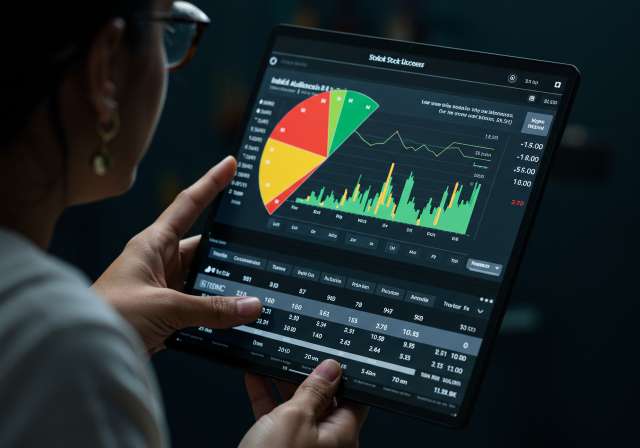
Unlock the secrets of the stock market with our guide to BSE trading. Learn about trading hours, IPOs, indices like Sensex, investment strategies, and how to st
Unlock the secrets of the stock market with our guide to BSE trading. Learn about trading hours, IPOs, indices like Sensex, investment strategies, and how to start investing on the Bombay Stock Exchange today.
Demystifying BSE Trading: A Comprehensive Guide for Indian Investors
Introduction: Navigating the Indian Equity Landscape with the BSE
For Indian investors, the Bombay Stock Exchange (BSE) is more than just a stock exchange; it’s a cornerstone of the nation’s financial markets. Established in 1875, it is Asia’s oldest stock exchange and a vital platform for companies to raise capital and for investors to participate in the growth of the Indian economy. Understanding how the BSE operates is crucial for anyone looking to build wealth through equity investments.
This comprehensive guide will walk you through the intricacies of the BSE, from its history and significance to practical advice on how to start investing. Whether you are a seasoned investor or just beginning your financial journey, this article will equip you with the knowledge you need to navigate the world of BSE trading confidently.
The BSE: A Historical Perspective and its Role in the Indian Economy
The BSE, originally known as “The Native Share & Stock Brokers’ Association,” has played a pivotal role in shaping the Indian financial landscape. Its journey reflects the evolution of the Indian economy, adapting to changing regulations and technological advancements. The shift from open outcry trading to a fully automated electronic trading system, known as BSE On-Line Trading System (BOLT), marked a significant milestone.
Today, the BSE provides a platform for trading in equities, derivatives, mutual funds, and other financial instruments. Its benchmark index, the S&P BSE Sensex, is a widely recognized indicator of the Indian stock market’s performance. The BSE also plays a crucial role in promoting financial literacy and investor education, contributing to a more informed and engaged investor base.
Understanding Key BSE Concepts: Sensex, Market Capitalization, and More
Before diving into the practical aspects of investing, it’s essential to grasp some fundamental concepts related to the BSE:
- Sensex: The Sensex, or Sensitivity Index, is a free-float market-weighted stock market index of 30 well-established and financially sound companies listed on the BSE. It represents the overall performance of the Indian stock market and is a key indicator for investors.
- Market Capitalization: This refers to the total value of a company’s outstanding shares. It is calculated by multiplying the current share price by the number of outstanding shares. Market capitalization helps investors understand the size and relative importance of a company.
- IPO (Initial Public Offering): An IPO is the first time a private company offers shares to the public. Investing in IPOs can be lucrative, but it also carries higher risks. The BSE provides a platform for companies to launch their IPOs, giving investors an opportunity to invest in newly listed companies.
- Trading Hours: The BSE’s trading hours are typically from 9:15 AM to 3:30 PM, Monday to Friday. These hours may be subject to change based on regulatory announcements or special trading sessions.
- SEBI (Securities and Exchange Board of India): SEBI is the regulatory body for the securities market in India. It ensures fair and transparent trading practices and protects the interests of investors. All brokers and market participants must adhere to SEBI regulations.
Getting Started with BSE Trading: A Step-by-Step Guide
Ready to embark on your investment journey? Here’s a step-by-step guide to get you started with BSE trading:
1. Open a Demat and Trading Account:
The first step is to open a Demat (Dematerialized) account and a trading account. A Demat account holds your shares in electronic form, while a trading account allows you to buy and sell shares on the stock exchange. You can open these accounts with a registered brokerage firm. Consider factors like brokerage fees, account maintenance charges, trading platform features, and research reports when choosing a broker.
2. Complete KYC (Know Your Customer) Verification:
As per SEBI regulations, you need to complete the KYC verification process before you can start trading. This involves submitting documents such as your PAN card, Aadhaar card, and proof of address. This process ensures that the trading environment remains secure and compliant.
3. Fund Your Trading Account:
Once your accounts are open and verified, you need to fund your trading account. You can transfer funds electronically from your bank account to your trading account. The amount you need to deposit will depend on your investment goals and risk appetite.
4. Understand Trading Platforms and Tools:
Familiarize yourself with the trading platform offered by your broker. Most brokers offer online trading platforms that allow you to buy and sell shares, track market movements, and access research reports. Learn how to use the platform’s features, such as order placement, charting tools, and technical analysis indicators.
5. Research and Analyze Stocks:
Before investing in any stock, it’s crucial to conduct thorough research and analysis. This involves understanding the company’s financials, business model, industry trends, and competitive landscape. You can use fundamental analysis (analyzing financial statements) and technical analysis (analyzing price charts) to make informed investment decisions.
6. Place Your Orders:
Once you have identified the stocks you want to invest in, you can place your orders through your trading platform. You can choose between different types of orders, such as market orders (which are executed immediately at the best available price) and limit orders (which are executed only when the stock reaches a specified price). Always double-check your order details before submitting it.
7. Monitor Your Investments:
After you have invested in stocks, it’s important to monitor your portfolio regularly. Track the performance of your investments, stay updated on market news, and make adjustments to your portfolio as needed. Consider setting up stop-loss orders to limit your potential losses.
Investment Strategies for BSE Trading: Tailoring Your Approach
The stock market offers a variety of investment strategies, each with its own risks and rewards. Here are a few popular strategies for BSE trading:
- Long-Term Investing: This involves buying stocks with the intention of holding them for several years, or even decades. Long-term investors focus on fundamentally strong companies with good growth prospects. This strategy is suitable for those with a long-term investment horizon and a higher risk tolerance.
- Short-Term Trading (Day Trading): This involves buying and selling stocks within the same day, aiming to profit from small price fluctuations. Day trading is a high-risk, high-reward strategy that requires a lot of time, skill, and discipline.
- Swing Trading: This involves holding stocks for a few days or weeks, aiming to profit from short-term price swings. Swing traders use technical analysis to identify potential trading opportunities.
- Value Investing: This involves identifying undervalued stocks that are trading below their intrinsic value. Value investors look for companies with strong financials, but which are temporarily out of favor with the market.
- Growth Investing: This involves investing in companies that are expected to grow their earnings at a faster rate than the market average. Growth investors are willing to pay a premium for companies with high growth potential.
Investment Instruments Beyond Equities: Mutual Funds, SIPs, and More
While direct equity investment is one option, there are other investment instruments available on the BSE that cater to different risk profiles and investment goals:
- Mutual Funds: Mutual funds are professionally managed investment schemes that pool money from multiple investors and invest in a diversified portfolio of stocks, bonds, or other assets. Mutual funds are a good option for investors who want to diversify their portfolio without having to pick individual stocks.
- SIP (Systematic Investment Plan): A SIP is a method of investing in mutual funds by making regular, fixed-amount investments over a period of time. SIPs are a convenient and disciplined way to build wealth over the long term.
- ELSS (Equity Linked Savings Scheme): ELSS funds are a type of mutual fund that invests primarily in equities and offers tax benefits under Section 80C of the Income Tax Act. ELSS funds have a lock-in period of three years, making them suitable for long-term investors seeking tax savings.
- Exchange Traded Funds (ETFs): ETFs are similar to mutual funds, but they trade on stock exchanges like individual stocks. ETFs offer diversification at a low cost and can be traded throughout the day.
- Sovereign Gold Bonds (SGBs): SGBs are government securities denominated in grams of gold. They offer a safe and convenient way to invest in gold without having to physically hold the metal. SGBs also pay a fixed interest rate.
Risk Management in BSE Trading: Protecting Your Investments
Investing in the stock market involves inherent risks. It’s essential to implement effective risk management strategies to protect your investments:
- Diversification: Don’t put all your eggs in one basket. Diversify your portfolio across different sectors, companies, and asset classes to reduce your overall risk.
- Stop-Loss Orders: Use stop-loss orders to automatically sell your stocks if they fall below a certain price. This helps to limit your potential losses.
- Position Sizing: Don’t invest too much in any single stock. Limit the amount you invest in each stock to a small percentage of your overall portfolio.
- Risk Tolerance: Understand your own risk tolerance and invest accordingly. If you are risk-averse, stick to lower-risk investments such as bonds or diversified mutual funds.
- Stay Informed: Keep yourself updated on market news, economic trends, and company-specific developments. The more informed you are, the better equipped you will be to make sound investment decisions.
The Future of BSE Trading: Innovation and Growth
The BSE continues to evolve and innovate to meet the changing needs of the Indian financial market. It is investing in new technologies, such as artificial intelligence and blockchain, to enhance its trading platform and improve efficiency. The BSE is also expanding its product offerings to include new asset classes and investment opportunities.
With its rich history, strong regulatory framework, and commitment to innovation, the BSE is well-positioned to remain a leading stock exchange in India and a key driver of economic growth. For investors, the BSE offers a wealth of opportunities to build wealth and participate in the growth of the Indian economy.
Conclusion: Empowering Your Financial Future Through Informed Investing
Understanding the intricacies of BSE trading is essential for anyone seeking to participate in the Indian equity market. By familiarizing yourself with key concepts, following a structured approach to investing, and implementing effective risk management strategies, you can increase your chances of success. Remember to conduct thorough research, seek professional advice when needed, and stay informed about market developments. With knowledge and discipline, you can unlock the potential of the BSE and achieve your financial goals.